Health & Wellness
An expert guide to dairy and GLP-1 receptor agonists
Greek yogurt is often considered the ideal item to meet consumer needs, but there are multiple “unheralded” products.

Make no mistake about it: Use of GLP-1 receptor agonists is increasing, and dairy products can be a major food source for what those taking a weight management journey most desire.
In fact, Morgan Stanley’s "4th Annual AlphaWise GLP-1 User Survey," released in April, states, "GLP-1 adoption in the U.S. is accelerating, with oral formulations and expanded access expected to unlock a broader user base over the next several years." Its Biopharma team now projects that 19 million people in the United States this year (5% of the U.S. population) will have taken an anti-obesity medication, with the number rising to 55 million U.S. patients by 2035 (15% of the U.S. population).
The report adds that consumers are making "meaningful changes in consumption behavior," with more than 50% of users reducing calorie intake by 20% or more. "Most do so through either fewer meals/snacks or smaller portions, rather than both, with the impact showing up more in spend per occasion than in frequency, particularly in restaurants," Morgan Stanley research reveals.
Morgan Stanley analysts expect these human behavioral changes to have a significant impact on both food and beverage processors. "Net, we continue to view GLP-1 adoption as part of the broader health and wellness shift, representing an ongoing pressure point for food companies and underpinning our skepticism on center-store food stocks, though increasingly reflected in valuations and potentially more manageable over time," states Morgan Stanley’s Megan Clapp.
Research released in April by Acosta Group stresses that consumers taking GLP-1 receptor agonists are seeking more than just weight loss. "We've learned that consumers using a GLP-1 for weight loss are experiencing additional positive emotional and behavioral impacts, ranging from their relationships with food, to how they feel about their personal appearance, to what they want to buy and how they want to dine," says Kathy Risch, senior vice president, Thought Leadership and Shopper Insights for Acosta Group.
These halo effects skew higher for Gen Z and millennial consumers, the research continues. "We recognize the power of this younger cohort to indicate trends across categories and channels, informing what broader consumer segments will want to see on the shelf in the near future," says Mark Rahiya, group president of Omnichannel Sales and Services for Acosta Group. "We're encouraging brands and retailers to innovate and refine new concepts before they become table stakes, positioning for growth with all wellness-focused consumers."
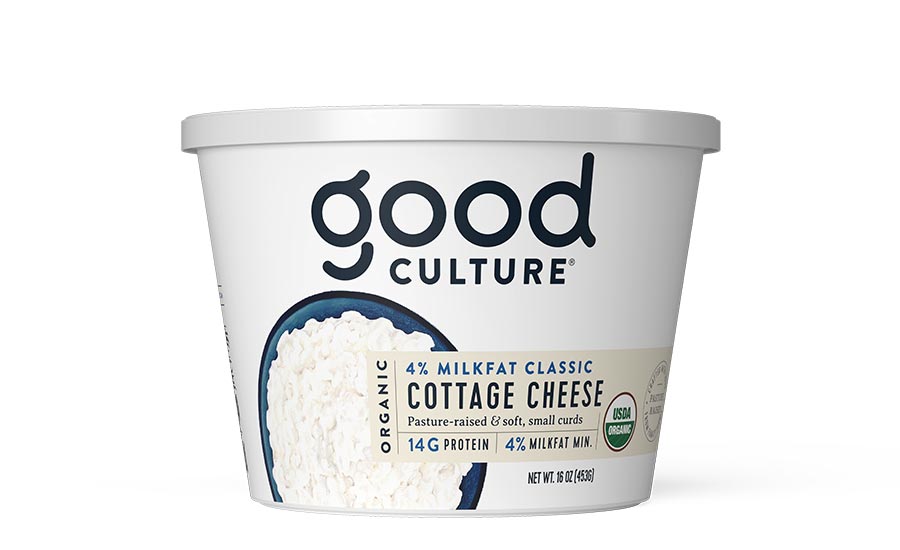
Cottage Cheese helps support muscle health, and you "get a lot of protein for relatively few calories," according to Jesse Merrill, CEO of Good Culture. Courtesy of Good Culture
What consumers want
As consumers undergo huge diet shifts, dairy plays a huge role, thanks to its offerings of high protein counts in small food servings, in addition to other health benefits — such as vitamins and amino acids — they can provide. The Acosta report reveals consumers are purchasing more fresh produce (55%), yogurt (32%), fresh chicken (31%), protein shakes and powders (30%), and protein bars (29%) than before. Conversely, fewer sweets (58%), salty snacks (44%), and sugary drinks (41%) are being added to in-store and online shopping carts.
"Key categories of interest among all GLP-1 consumers, particularly Gen Z and Millennials, include high-protein, high-fiber, hydration/electrolyte, and gut health products, confirming the importance of embedding protein-forward and nutrient-dense products into innovation pipelines," the report notes. However, the report cautions against processors simply placing a "GLP-1 Friendly" label on their brands, because it can be "polarizing for some, raising questions about taste, nutrition, and applicability."
"As GLP-1 usage continues to grow, it will be critical for brands to deeply understand their core customers to capture the right omnichannel messaging and drive growth," relays John Carroll, president of Connected Commerce for Acosta Group.
James Stone, vice president, Global Marketing and Insights at Chicago-based Glanbia, adds smaller portion sizes, nutrient-dense foods (led by protein), digestive health support (biotics, fiber), functional hydration (primarily electrolytes), less sugar, reduced carbohydrates, and healthy fats are consumers’ top requests today.
"Dairy is uniquely equipped to meet the needs of consumers on a GLP-1 journey," he says. Stone adds that protein consumption is growing across categories. "From protein powders (led by whey variants), to protein ready-to-drinks (largely milk protein, with a fast-growing segment of acidified whey protein isolate gaining momentum), to ready-to-eat snacks (chips, puffs, loops) that can be made with a range of dairy proteins, a healthy diet can be supported by a range of dairy formats."
According to Vaishu Sankarlal, senior food scientist, Wayzata, Minn.-based Cargill, GLP-1 medications don’t eliminate the need for food, but they do change what consumers say they are looking for. Beyond protein, fiber is another essential need, helping deliver satiety without heaviness. "Already under-consumed, fiber becomes even more important as GLP-1s can contribute to digestive discomfort. Solutions like soluble corn fiber can help close that gap while maintaining product appeal," she notes.
GLP-1 receptor agonists, such as Ozempic, Wegovy, Zepbound, and Mounjaro, often have monthly costs ranging from $150 to over $1,300 depending on insurance, dose and drug type. Gastrointestinal issues, injection site reactions, low blood sugar, and rare but serious complications like pancreatitis, gallbladder problems, and thyroid concerns are possible side effects.
Sankarlal continues it is crucial to consider how consumer needs may evolve after discontinuing medication. "Seven in 10 users (69%) take GLP-1s for weight loss. Of these, many worry about regaining weight once they stop and most see these medications as a temporary solution rather than a lifelong fix," she reveals, citing Kantar’s GLP-1 research. "Dairy products that support satiety, particularly those with protein and fiber, could play a key role helping consumers on this long-term weight management journey."
When asked to narrow down what specific dairy product best meets the needs of GLP-1 users, Stone quickly points to Greek yogurt. "[It] can come in portion-controlled sizes (a cup or a drinkable format), can be added to other recipes, offers biotics to help with gut health, comes in flavored or unflavored options, and can deliver a high level of protein, which has the most staying power," he relays.
Sankarlal agrees Greek yogurt is an excellent choice, in addition to skyr and drinkable dairy-based protein beverages and shakes. "These products naturally align with evolving needs by providing high-quality, complete protein to support muscle maintenance, especially during weight loss, while also fitting into smaller, more flexible portion sizes that match reduced appetites," the Cargill executive maintains. "They also benefit from strong consumer familiarity and trust, as dairy is widely recognized as a nutritious, accessible choice. At the same time, their versatility allows them to function as a meal, snack or targeted nutrition solution, depending on the occasion."
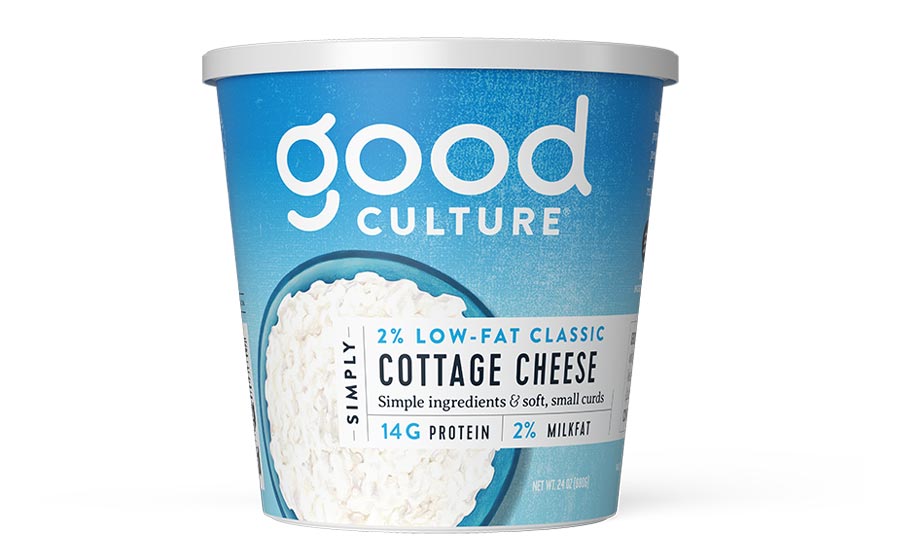
The health and wellness trend should continue as people "focus on protein, simpler ingredients, and foods that feel both functional and delicious," states Good Culture’s Jesse Merrill. Courtesy of Good Culture
The wonders of yogurt
Yogurt is clearly a tremendous dairy product regarding meeting the needs of consumers on a weight management journey. Rafael Acevedo, president/general manager of Dairy Yogurt, Protein Shakes, and Kids Nutrition at Colorado-based Danone U.S., notes overall growth of the yogurt category reflects a broader shift in how consumers are approaching food and health.
"Across categories, people are increasingly choosing products that deliver real nutritional value and multiple functional benefits, prioritizing high‑quality protein, diverse fiber intake, lower sugar and gut‑healthy probiotics," he says.
The rise of GLP‑1 medications has become one of the "strongest accelerators of these behaviors," he adds. "As one of the fastest‑growing health influences we’ve seen, GLP‑1 adoption is reinforcing consumer demand for nutrient‑dense foods. That shift is clearly reflected in yogurt, which is seeing increased grocery spending among GLP‑1 users, underscoring yogurt’s role as a smart choice for satiety and overall nutrition."
Yogurt is so well suited for GLP-1 consumers as it brings together high‑quality protein, biotics and essential vitamins and minerals in one convenient, accessible format. "As we’ve continued to innovate, we’re also bringing fiber into that nutrient bundle, recognizing the role it is playing in consumer diets and how it can complement protein intake," Acevedo reveals. "Recognizing the challenges GLP-1 users face, protein in particular plays a critical role. High‑quality protein helps support muscle maintenance, satiety and metabolic health, all areas that are top-of-mind for GLP‑1 users and increasingly important for wellness‑focused consumers overall."
The Danone executive stresses that growing scientific validation of yogurt’s health benefits is also providing a huge boost. "Following a petition submitted by Danone, the FDA issued a qualified health claim for yogurt, recognizing a potential link between its regular consumption and a reduced risk of type 2 diabetes, giving consumers yet another compelling reason to shop the yogurt aisle," he states.
Acevedo predicts yogurt’s growth will not be a short-term spike. "The growth we’re seeing reflects a larger shift in how consumers are choosing to spend their money at the grocery store, mapped to what they want most out of their food and beverage. Functional benefits are now firmly at the top of many shoppers’ priority lists, and nutrient-dense options are gaining momentum across the aisle," he relays.
Already this year, OIKOS is growing in the mid-double digits in retail dollar sales, Acevedo reveals. "At the same time, innovation is expanding the role yogurt can play, from portion-controlled and on-the-go formats to more targeted nutrition solutions that support consumers on weight-management journeys. All of this reinforces our confidence that yogurt’s growth runway is long."
Up-and-coming dairy products
More good news is dairy manufacturers can take solace in the fact there are "unheralded" dairy products that can meet consumer needs beyond yogurt. In fact, the most overlooked dairy products are kefir and cottage cheese, Glanbia’s Stone shares. "Both are growing, but the penetration rates are still low. Both kefir and cottage cheese provide high levels of protein per serving, fermented dairy for gut health, quality fats, can be consumed in smaller portions, and can be made with a clean label," he says. "Plus, we are seeing an evolution including flavor additions and additional functionality through vitamins, collagen and other in-demand ingredients."
The Glanbia executive gets more specific when mentioning whey protein isolate, a dairy product where demand is outpacing supply. "It offers excellent protein content, is very low in lactose, and is highly digestible by the body," he asserts. "It is finding a high level of interest among active lifestyle consumers, not just the traditional hard-core weight training crowd."
Colostrum is a niche, under-the-radar dairy product that is still "struggling to gain full understanding of how it contributes to a healthy lifestyle," Stone adds. "With its immunoglobulin levels, ability to actually help heal a condition called leaky-gut — and offer enhanced growth and immune support — it is one to watch."
Sankarlal also points to fiber-fortified dairy as an area with strong potential. "While dairy is already well-known for its protein content, fiber remains largely untapped in this space. Incorporating soluble fibers into formats like yogurt, drinkable dairy or dairy-based snacks can help deliver more balanced nutrition without sacrificing taste or texture."
The Cargill executive also suggests cottage cheese is unheralded, revealing that although it is nutritionally rich, "There’s been little innovation in the space. Protein enhancement and lower-fat versions are some great ways to help reposition it as a relevant choice for consumers following GLP-1-influenced eating patterns," Sankarlal maintains. "There is also an opportunity to better align dairy products with different stages of the GLP-1 journey. Nutritional needs can vary between early use, short- or long-term use, and post-medication. Thoughtful positioning and product development tailored to each stage could help dairy remain relevant throughout consumers’ GLP-1 journeys."
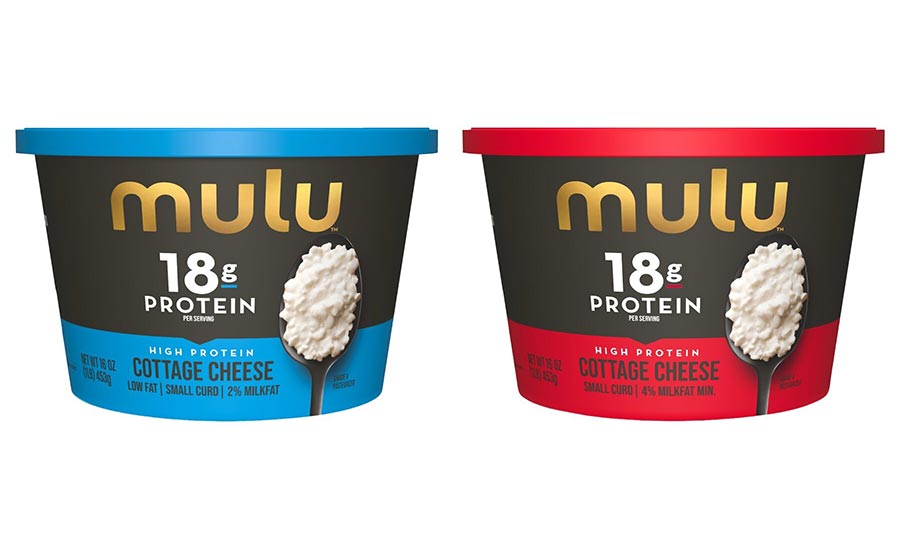
MULU is designed specifically for consumers who are actively thinking about protein, whether they’re fueling workouts, supporting active lifestyles, or building protein into their daily routines, states Corey Christofel, senior brand manager, Dairy Brands at DFA. Courtesy of Dairy Farmers of America
Big success for cottage cheese
Speaking of cottage cheese, despite its unheralded tag, the cultured dairy product has seen strong year-over-year success, with dollar sales increasing 19% for the year ending Feb. 22, according to Chicago-based market research firm Circana. The No. 3 seller in this category, Good Culture LLC, enjoyed excellent year-over-year success, according to the research firm.
According to Jesse Merrill, CEO and co-founder of Irvine, Calif.-based Good Culture, cottage cheese is a simple, high-protein staple that "actually keeps you full and energized without weighing you down. It helps support muscle health, and you get a lot of protein for relatively few calories. It’s a nutrient-dense superfood that is versatile and delicious, making it easy to use throughout the day."
Several things account for cottage cheese’s success, as opposed to just one factor, he stresses. "There’s definitely a broader shift toward protein. People are paying more attention to how food actually makes them feel, especially what keeps them full and energized," Merrill relays. "Cottage cheese fits really naturally into that because it’s high in protein, versatile, and easy to work into everyday meals without feeling like a ‘diet food.’"
At the same time, GLP-1s have brought even more focus to "protein-forward eating," which has lifted the category, Merrill adds. "Good Culture cottage cheese delivers a protein-dense food with casein, a slow-digesting protein that keeps you fuller longer, which makes it a natural fit for GLP-1 users. And then you’ve got TikTok and social media, which really reintroduced cottage cheese in a new way, blending it into recipes, desserts, dips and all that creative use case stuff. We’ve always believed cottage cheese is a superfood. It finally happened that all these cultural trends caught onto the groundwork we’ve been laying for years."
Kemps LLC, a division of Dairy Farmers of America (DFA), has also delivered tremendous results when it comes to cottage cheese sales growth, reports Circana. Corey Christofel, senior brand manager, Dairy Brands at DFA, parent company of St. Louis Park, Minn.-based Kemps, the No. 5 seller in the category, points to the surge of cottage cheese recipes shared on TikTok and other social media platforms since early 2023 as huge boosts to growth.
"Content creators began showing simple, creative ways to use cottage cheese that went well beyond the traditional bowl-and-spoon, which helped introduce the category to a new audience. As more of that content was shared, we saw new shoppers — many of them new to cottage cheese — trying it because the ideas felt both interesting and realistic to make at home," Christofel reveals.
The DFA executive adds the company has "leaned into that same approach with our own content by keeping it straightforward and approachable. Protein has also played a role, particularly as more consumers look for foods that help them meet daily protein needs, including some people using GLP-1 medications. Overall, the response has been very encouraging."
Cottage cheese has become popular because it checks a lot of boxes for today’s consumers, particularly those looking for high-protein foods that help them feel full and satisfied, including some people using GLP-1 medications.
"Beyond nutrition, it’s also attracting new consumers because it works like a ‘blank canvas’ ingredient: it’s mild, creamy, and not as acidic as yogurt," Christofel says. "Cottage cheese blends and bakes well and can be transformed into so many different recipes, from muffins and cookie dough to blended sauces and even high-protein, ice cream-style recipes. That combination of protein, versatility and ease of use makes cottage cheese a foundational ingredient in today’s kitchen."
DFA also announced in April the launch of MULU cottage cheese, offering 18 grams of complete protein per half-cup serving. "We have a strong base of loyal cottage cheese consumers who have been enjoying Kemps for years, and we’ll continue to serve them with the quality and taste they expect. What MULU allows us to do is lean into the growing consumer interest in protein in a way that hasn’t fully taken hold in the cottage cheese category yet," Christofel notes. "We’ve seen how protein-forward brands have reshaped yogurt, and we saw a clear opportunity to bring that same performance-focused mindset to cottage cheese."
MULU is designed specifically for consumers who are actively thinking about protein, whether they’re fueling workouts, supporting active lifestyles, or building protein into their daily routines, the DFA executive adds. "In that way, MULU complements Kemps by giving protein-focused consumers a cottage cheese option designed specifically for performance and protein needs, while Kemps continues to serve the broad base of loyal cottage cheese shoppers," he notes.
Looking forward, Christofel believes cottage cheese is well-positioned for continued growth, even if the "pace naturally moderates over time. A big shift we’ve seen is that new consumers have tried cottage cheese, many for the first time, after discovering more convenient and creative ways to use it. We expect those shoppers to continue coming back and keeping it in their regular rotation."
He also expects the health and wellness trend to remain top-of-mind for shoppers. "Consumers continue to look for high protein, better-for-you foods, and cottage cheese delivers on both nutrition and versatility," Christofel suggests.
Good Culture’s Merrill also believes there’s room for cottage cheese’s continued growth. "It’s not just a trend. It’s become a regular part of how people eat. It’s showing up in more everyday use cases like quick breakfasts, snacks and easy high-protein meals, so it’s moving from occasional purchase to something people keep in their fridge consistently," he reveals.
In addition, Merrill states that the broader health and wellness trend is still very much ongoing. "People are continuing to focus on protein, simpler ingredients, and foods that feel both functional and delicious. Cottage cheese sits right in the middle of all of that, so it’s benefiting from longer-term shifts rather than just a short-term trend, which the growth over the past three years has confirmed."
Big challenges
Many dairy products are clearly a tremendous solution for GLP-1 consumers. But for those on a weight management journey, desired needs of the foods they eat have perhaps never been greater. Hence, formulation challenges have also never been greater. Offering dairy foods with lower sugar, high protein and fiber that deliver great taste can even present challenges for the most experienced formulator.
The biggest challenge is delivering more nutrition in less food, without compromising sensory experience, Cargill’s Sankarlal notes. "As brands increase protein and fiber to meet GLP-1 consumers’ needs, they often encounter trade-offs in taste and texture, including chalkiness, grittiness and off-flavors. This becomes even more complex as brands also look to reduce sugar, which can further impact taste, mouthfeel and overall enjoyment."
Balancing protein, fiber, reduced sugar and overall enjoyment requires thoughtful formulation, the senior food scientist adds. "These products still need to deliver the creamy, indulgent experience consumers expect from dairy. At Cargill, we’re helping customers navigate these challenges through application-driven solutions. For example, our Protein Power Parfait prototype combines soluble corn fiber, pea protein and stevia to deliver 18 grams of protein and 9 grams of fiber per serving, with just 6 grams of sugar and no artificial sweeteners."
Stone concludes that GLP-1 users eat smaller portions, have heightened digestive and sensory sensitivity, and prioritize nutrient density. "Dairy remains well positioned given its protein and micronutrient profile, but ingredients, formats and taste/texture matter."
Looking for a reprint of this article?
From high-res PDFs to custom plaques, order your copy today!