Membrane Technologies
How dairy processors can reduce membrane fouling and improve filtration performance
How controlling membrane fouling can help boost dairy plant efficiency.
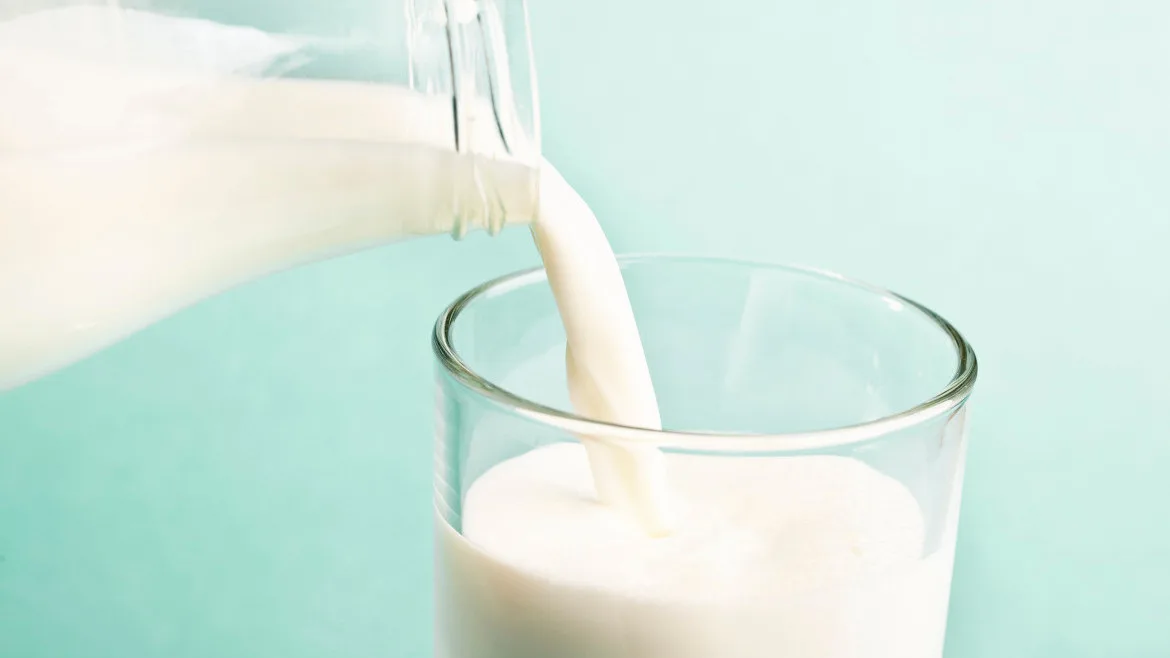
Membrane surface characteristics such as hydrophilicity, surface smoothness and optimized element design can help reduce foulant attachment and improve cleanability, maintains Victoria Oveson, DuPont Water Solutions.
Fouling is a natural part of membrane filtration, but as dairy processors pursue higher solids concentrations, longer production runs and greater throughput, fouling continues to challenge filtration performance and operating efficiency.
Membrane fouling affects flux, cleaning frequency, energy consumption and membrane life across a wide range of dairy applications, from milk and whey processing to production of high-protein ingredients. As processors pursue greater efficiency and increasingly complex formulations, membrane performance depends on more than membrane selection alone.
Feed composition, operating conditions, system design and cleaning practices all influence how quickly fouling develops and how effectively processors can recover performance.
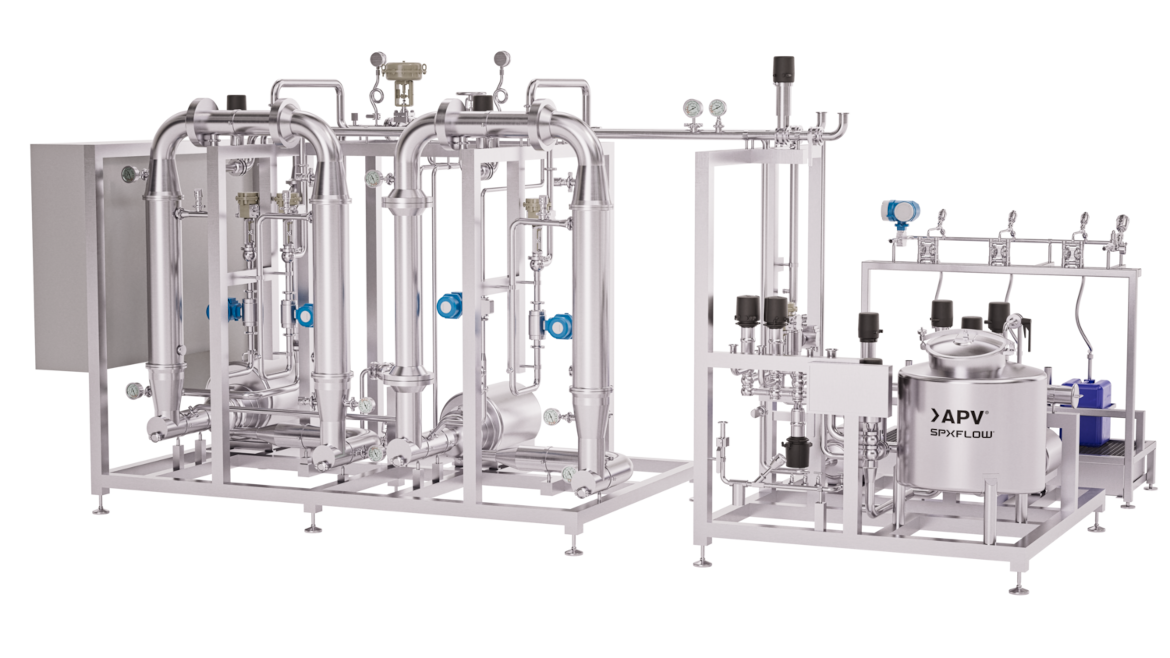
Protein denaturation and aggregation remain among the most common causes of fouling in dairy membrane systems, states APV's Pranav Shah. Image courtesy of APV
Understanding membrane fouling
Depending on product composition and operating conditions, membrane fouling can occur through several different mechanisms.
"Membrane fouling is one of the most common operational challenges faced in dairy processing," explains Jon Goodman, vice president for food processing and specialty at ZwitterCo.
He notes that severe process upsets can create catastrophic fouling events. These include whey protein gelling at high concentrations, cheese fines entering feed streams or coagulation events following pasteurization upsets. In those situations, processors may struggle to restore membrane performance even after cleaning.
More commonly, processors face gradual performance losses driven by everyday operating conditions. Goodman notes that processors continue to concentrate products to higher solids levels to improve process economics. As solids concentrations increase, viscosity rises and filtration becomes more difficult.
What contributes to fouling? Goodman responds that protein-rich streams, high-fat products and variable feed quality can impact fouling, thereby making performance recovery more challenging.
Additionally, Pranav Shah, global product manager for UHT systems at APV, says today's dairy formulations create additional challenges for membrane systems. Protein denaturation and aggregation remain among the most common causes of fouling in dairy membrane systems, he says.
High-protein dairy beverages, milk protein concentrates and whey protein concentrates often contain elevated protein loads that increase the likelihood of fouling. Shah notes excessive thermal exposure can cause proteins to unfold and aggregate, forming deposits on membrane surfaces. Fat carryover, mineral scaling and biofilm formation can further reduce filtration performance over time.
Feed variability also plays a significant role in fouling. Shah says protein content, mineral balance, viscosity, solids loading and water quality all influence how quickly fouling develops. As processors continue to introduce new formulations, reduce lactose levels and create value-added ingredient streams, membrane systems are dealing with a broader range of feed characteristics than in the past.
Todd Hutson, commercial manager, filtration solutions, Tetra Pak U.S. and Canada, says pretreatment practices can have a significant impact on downstream membrane performance. Dairy processors need to minimize the amount of solids and fines entering membrane systems whenever possible, Hutson says.
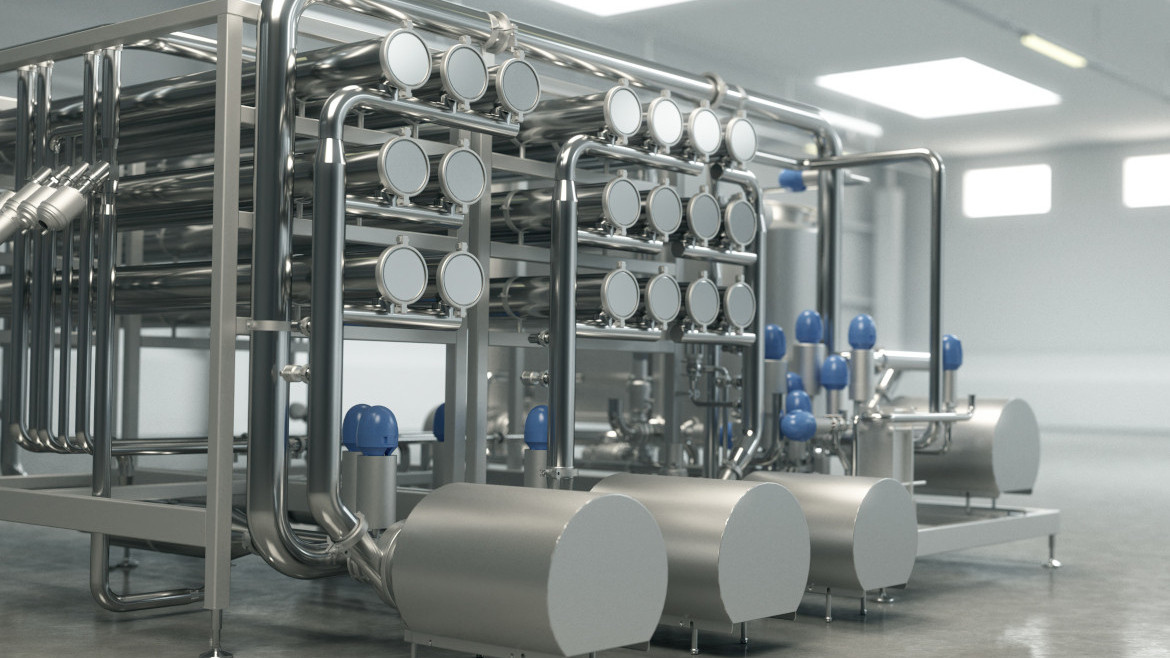
Pretreatment practices can have a significant impact on downstream membrane performance, relays Tetra Pak's Todd Hutson. Image courtesy of Tetra Pak
Cheese fines, milk solids and other particulate matter can accumulate on membrane surfaces and accelerate fouling. Hutson notes that effective pretreatment helps reduce fouling load before product reaches the membrane system.
While feed composition plays a critical role in membrane fouling, conditions often determine how quickly fouling develops.
Shah notes that many processors attempt to maximize throughput by operating beyond sustainable flux conditions. Increasing flux can improve production rate, but excessive flux can accelerate concentration polarization, causing solids to accumulate near the membrane surface faster than the system can remove them.
Over time, those deposits reduce performance, increase cleaning requirements and contribute to irreversible fouling.
Goodman points to similar challenges as processors work toward higher solids concentrations and greater efficiency. While fouling is an unavoidable part of membrane processing, aggressive operating conditions can accelerate performance declines and make it more difficult to restore membrane productivity following cleaning.
System design also plays a critical role in long-term membrane performance. "Good system design starts with having the right membrane area," Hutson says. He adds that systems with insufficient membrane area often require operators to increase pressure throughout a production run, particularly as solids concentrations rise. Those conditions can accelerate fouling and place additional stress on the system.
Shah continues that many long-term fouling and stability issues originate not from the membrane itself but from systems designed around peak capacity targets rather than sustainable operating conditions. Membrane area, circulation flow, pump selection and pressure profiles all influence fouling behavior and long-term performance.
Hydraulic design also affects how product moves through the system, Hutson says. Proper flow distribution and staging help maintain consistent operating conditions and reduce the likelihood of localized fouling.
Hutson notes that optimization is not about eliminating fouling altogether. Instead, processors should focus on controlling fouling and maintaining predictable system performance.
Membrane design also influences fouling resistance and long-term performance.
Victoria Oveson, senior technical service engineer at DuPont Water Solutions, says membrane surface characteristics such as hydrophilicity, surface smoothness and optimized element design can help reduce foulant attachment and improve cleanability.
Advances in membrane chemistry and element configuration continue to improve fouling resistance across a broader range of dairy applications. Oveson notes that membranes designed to balance permeability, selectivity and durability can support more stable operation and longer run times between cleaning cycles.
Chemical robustness also plays an important role because membranes must withstand repeated cleaning cycles while maintaining separation performance.
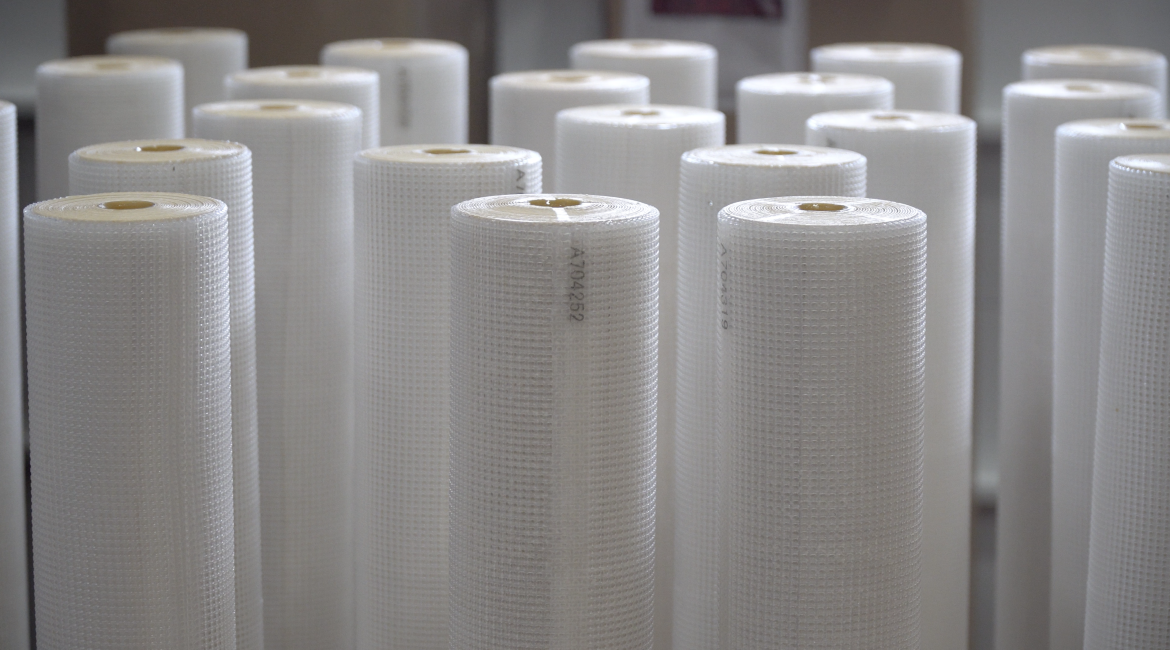
"Membrane fouling is one of the most common operational challenges faced in dairy processing," says ZwitterCo.'s Jon Goodman. Image courtesy of ZwitterCo
Cleaning and performance recovery
Even when processors optimize feed streams, operating conditions and system design, fouling remains inevitable. The challenge is restoring membrane performance as completely as possible following each production cycle.
DuPont Water Solutions' Oveson says incomplete cleaning can create a conditioning layer on membrane surfaces that accelerates future fouling.
Residual proteins, fats and minerals that remain after cleaning provide additional attachment sites for foulants, making subsequent fouling events more difficult to remove. Over time, these deposits can reduce permeability and increase cleaning requirements. For this reason, Oveson emphasizes the importance of restoring membrane performance as completely as possible following each cleaning cycle.
Therefore, membrane cleanability is just as important as fouling resistance. Oveson suggests that membranes designed for improved cleanability can help processors remove foulants more effectively during clean-in-place and return systems closer to baseline performance after cleaning.
APV's Shah notes that both under-cleaning and over-cleaning can create operational challenges — insufficient cleaning allows foulants to accumulate and become more difficult to remove, while excessive cleaning can increase chemical consumption, membrane aging and downtime.
Rather than relying on fixed cleaning schedules alone, processors now increasingly monitor performance indicators such as permeability recovery, differential pressure and flux decline to determine when cleaning is necessary and how effective those cleaning cycles have been. Shah says these measurements help plants optimize cleaning frequency while minimizing unnecessary chemical usage and production interruptions.
Data-driven approaches are also becoming more common; real-time monitoring of membrane performance can help processors identify fouling trends earlier, improve cleaning effectiveness and support predictive maintenance programs.
While processors cannot eliminate fouling entirely, they can control how quickly it develops and how effectively performance recovers following cleaning.
Feed quality, operating conditions, system design and cleaning effectiveness all influence membrane performance over time, making fouling control a plantwide consideration rather than a membrane-specific concern. Yet, these carefully thought-out efforts can help extend membrane life, improve uptime, and support more consistent production across a wide range of dairy applications.
Looking for a reprint of this article?
From high-res PDFs to custom plaques, order your copy today!