Operations | Plant of the Future
Inside dairy’s $11 billion manufacturing surge
The next generation of dairy plants takes shape across North America.
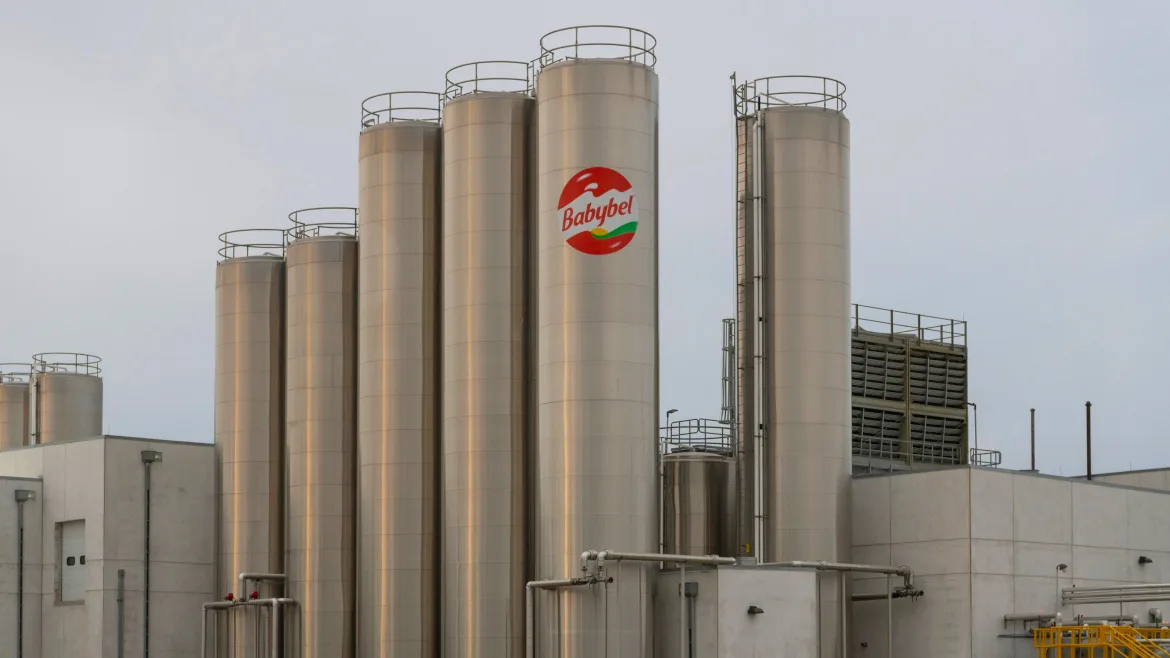
Bel Group’s Babybel production facility in Brookings, S.D., will double the plant’s annual production capacity from 10,000 to 20,000 tons.
The number is huge: $11 billion. That’s how much America’s dairy processors are spending on new and expanded manufacturing capacity across 19 states, according to data released by the International Dairy Foods Association (IDFA).
According to IDFA, this money spent is a result of:
- "U.S. milk production is expected to grow by 15 billion pounds by 2030 to meet demand. That is enough milk to fill more than 1.7 billion-gallon jugs.
- U.S. dairy exports are also growing, as buyers and consumers in South and Central America, Southeast Asia, and the Middle East spend their growing incomes on safe, reliable, and affordable U.S. dairy nutrition.
- Consumer demand for high-protein, wholesome foods has led to surging sales for dairy foods, including yogurt, shakes and smoothies, cottage cheese, milk products, whey protein powder, and more. Cottage cheese sales alone have surged by about 20% in the U.S. in the year leading up to June 2025, according to Circana.
- Per-capita consumption of dairy in the United States reached a record 661 pounds per person in 2023, driven by increased demand for cheese and butter. Per-capita cheese consumption has doubled in the last 50 years, and fluid milk consumption is growing for the first time since 2009.
IDFA adds that the top five states by investment total are: New York: $2.8 billion; Texas: $1.5 billion; Wisconsin: $1.1 billion; Idaho: $720 million; and Iowa: $701 million. Investments by product category are Cheese: $3.2 billion; Milk/Cream: $2.9 billion; Yogurt and Cultured Dairy: $2.8 billion; Butter and Powders: $1.6 billion; and Ice Cream: $530 million.
When dairy processors are spending the aforementioned $11 billion, they are not building "yesterday’s plants." Automation and artificial intelligence are often a major component of the plan, among other innovations
Dairy Foods examines what four North American processors are doing to meet growing product demands from customers.
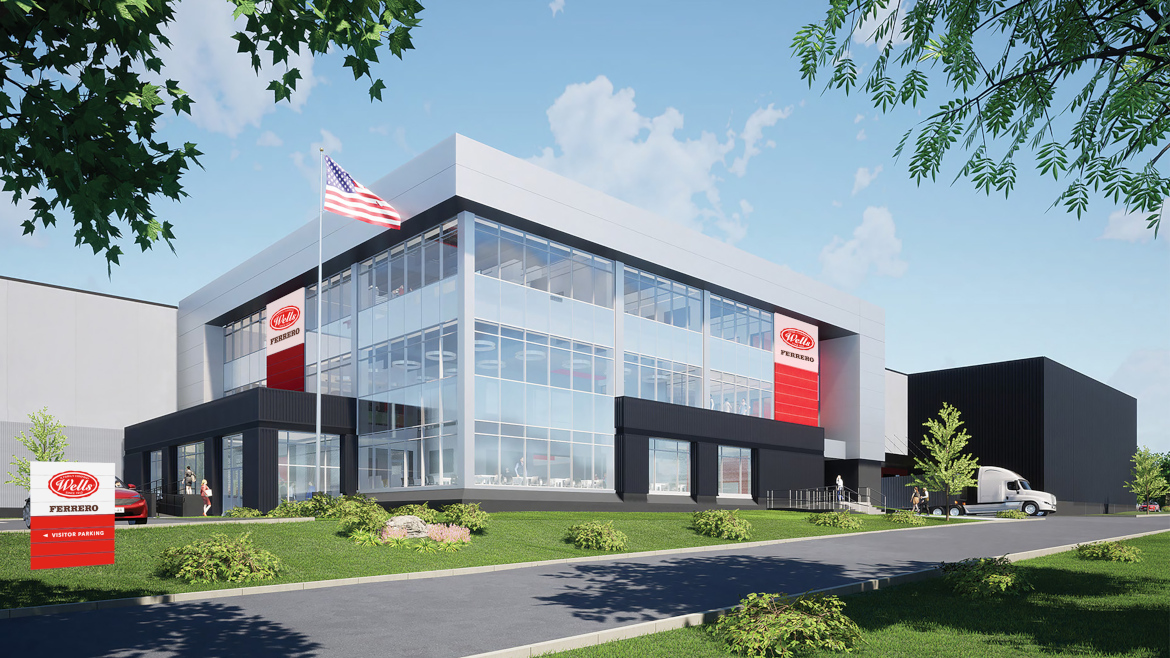
Wells Enterprises is expanding its Dunkirk, N.Y. ice cream manufacturing facility. It plays an important role in the company’s expansion plans for its national manufacturing network of its Blue Bunny, Halo Top, Bomb Pop and Blue Ribbon Classics brands. Courtesy of Wells Enterprises
Wells Enterprises’ expansion underlies significant growth
Wells Enterprises is expanding its Dunkirk, N.Y., ice cream manufacturing facility. The expansion underscores the company’s commitment to long-term growth and leadership in the ice cream category. The Dunkirk manufacturing facility plays an important role in the company’s expansion plans for its national manufacturing network of its Blue Bunny, Halo Top, Bomb Pop and Blue Ribbon Classics brands.
The expanded Dunkirk facility is specifically designed to "address the needs of today and tomorrow by boosting our production output and enabling future innovations. In fact, we are implementing state-of-the-art functionality, including an integrated chocolate manufacturing facility, while also reducing energy usage and designing to ensure food safety and quality," Brad Galles, chief manufacturing and engineering officer at Wells Enterprises, tells Dairy Foods.
"Our expanded Dunkirk facility is specifically designed to address the needs of today and tomorrow by boosting our production output and enabling future innovations," Galles continues. "In fact, we are implementing state-of-the-art functionality, including an integrated chocolate manufacturing facility, while also reducing energy usage and designing to ensure food safety and quality."
When designing the plant, Wells first brought chocolate production in-house, "a new vertical integration opportunity for us as we expand our product offerings and streamline our supply chain. The first-of-its-kind chocolate factory ensures our products meet our high standards, while capitalizing on efficiency, by producing premium chocolate ingredients onsite for use in our ice cream and novelty products," the Wells Enterprises executive states. "Second, we are committed to responsible sustainability efforts and energy consumption. The new office and employee areas feature a state-of-the-art geothermal system to provide efficient heating and cooling."
Additionally, the new production plant incorporates an advanced energy management system allowing Wells Enterprises to "closely monitor our overall energy consumption and identify opportunities to reduce energy usage," Galles maintains. "Lastly, the new facility prioritizes food safety and quality. Production lines are isolated to prevent allergen cross contamination, and we use dedicated HVAC systems to maintain optimal temperature and humidity. Through these innovations, we are not only modernizing, but we are investing in the latest technology and functionalities to strengthen the facility’s ability to support our national manufacturing network."
New Gelatys gelato facility
In late May, Gelatys opened a new production facility in Fort Myers, Fla. With an $8 million investment, the new 30,000-plus square-foot facility signifies a key step in the company's growth into a national consumer packaged goods brand.
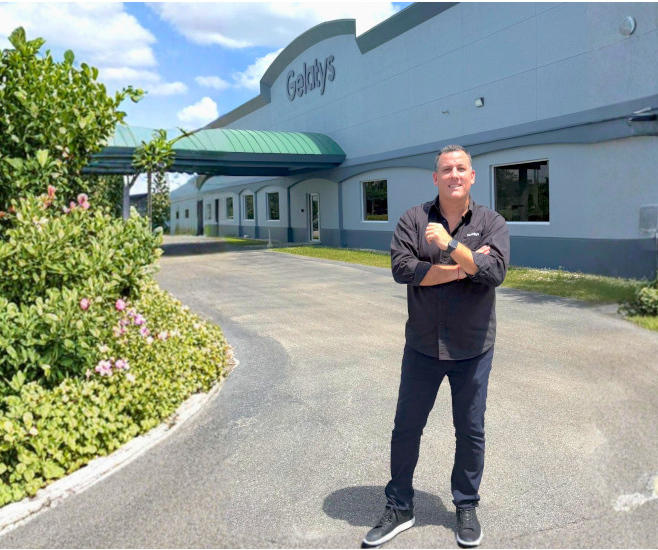
Gelatys’ 30,000-plus square-foot facility in Fort Myers, Fla., signifies a key step in the company's growth into a national consumer packaged goods brand. Image courtesy of Gelatys
Built on a 1.5-acre site, the Fort Myers facility investment represents more than a manufacturing expansion; it’s the operational foundation Gelatys is building to support national grocery growth. The site features next-generation machinery capable of producing in one hour what previously required an entire day, the company reveals. It will scale production to support the national expansion of Mini Gems, Gelatys' premium, portion-controlled gelato mini pops, and the next generation of premium Italian-style frozen novelty innovation.
According to Adolfo Heller Cohen, founder and CEO of Gelatys, one of the biggest innovations in the new facility is its proprietary production technology that allows the company to manufacture true artisanal gelato at industrial scale without compromising texture, creaminess or product quality.
"Traditionally, authentic gelato has been very difficult to scale while maintaining the same experience consumers expect from a handcrafted product. With this technology, Gelatys has transformed itself into the leading gelato novelties company in the United States, combining authentic gelato craftsmanship with large-scale manufacturing capabilities that very few companies in the industry can achieve," Cohen tells Dairy Foods.
The new facility combines next-generation freezing, molding and coating technologies with highly customized production processes designed specifically for premium gelato novelties, allowing Gelatys to preserve the dense, creamy texture and premium ingredient profile that differentiate gelato from traditional ice cream products.
"The plant was also designed with a strong focus on flexibility and innovation. We can efficiently produce multiple formats, coatings, fillings and inclusions while maintaining extremely high-quality standards and consistency across large production volumes. In addition, advanced automation and process controls allow us to significantly improve efficiency, reduce waste and increase production capacity while maintaining the craftsmanship behind the brand," Cohen remarks. "Another key innovation is the integration of scalable systems that allow us to rapidly develop and commercialize new premium novelty concepts for both the Gelatys brand and strategic manufacturing partners."
When designing the new plant, Gelatys’ goal was not simply to build a larger factory, but to create a highly specialized facility built specifically for the future of premium frozen novelties. "From a technology standpoint, we focused on four major areas: product quality preservation, scalability, operational efficiency, and flexibility for innovation," Cohen reveals. "First, it was critical for us to maintain the authentic gelato experience at scale. We invested heavily in technologies that protect texture, overrun control, ingredient integrity, and coating precision so the final product still feels artisanal despite large-scale production."
Second, scalability was essential. "The new plant was designed to support significant national growth while maintaining consistency and food safety standards. Our systems allow us to produce in one hour what previously could take an entire production day at our original Miami facility," Gelatys’ CEO notes. "Third, efficiency and automation played a major role in the design process. We implemented advanced production flow systems, modern refrigeration infrastructure, and automated handling technologies to optimize throughput, reduce waste, improve energy efficiency, and create a more sustainable operation."
Finally, flexibility was a major priority. "Consumer trends in frozen desserts evolve quickly, so we designed the facility to rapidly adapt to new formats, flavors, inclusions, better-for-you products, and co-manufacturing opportunities. This gives Gelatys the ability to innovate quickly while supporting both our own brand growth and strategic partnerships across the industry," Cohen says.
Bel Group breaks ground in South Dakota
Bel Group broke ground on a $200 million expansion of its Babybel production facility in Brookings, S.D. The project will double the plant’s annual production capacity from 10,000 to 20,000 tons. The investment will create around 150 new jobs and double milk sourcing from American dairy farms, primarily in South Dakota and neighboring states. It marks one of Bel’s largest manufacturing investments in the United States, supporting the company’s ability to meet sustained consumer demand for portion-sized dairy snacks.
Bel has been manufacturing in the U.S. for more than 50 years, and today it is its largest market, driving 33% of global sales with more than $1.2 billion in annual retail sales, with business doubling between 2018 and 2024. Now, Bel aims to double its U.S. business again in the years ahead, making the U.S. the driver of more than half of Bel Group’s projected growth.
"The United States is a strategic market and a key engine of growth for Bel," says Cécile Béliot, CEO of Bel Group. "Expanding our Brookings facility reflects our commitment to investing locally, strengthening domestic production, and supporting sustained demand for our brands. The decision to double capacity of this facility positions us for enhanced long-term growth in the U.S."
This expansion will boost production capabilities, drive product innovation, and support greater operational efficiency. With capacity set to double, the plant’s daily milk intake will significantly increase, further deepening partnerships with American dairy farmers and strengthening regional supply chains.
According to a company statement issued to Dairy Foods, its focus when building and expanding plants is on "automation with an emphasis on safety, ergonomics and people’s well-being, paired with improved efficiency and productivity."
Danone makes big bet on Canada
Danone Canada announced plans to expand its flagship Boucherville, Québec, plant, the largest investment ever made by the company. This initiative aims to increase the company’s production capacity to meet the growing demand for yogurt by Canadian consumers and to modernize the facility’s energy use. Danone Canada did not release the exact dollar figure of the investment, but it comes in addition to the $9 million it announced in June 2025 to introduce PET (polyethylene terephthalate)-based individual yogurt cups.
"Canadians are embracing healthier choices, and the rising popularity of yogurt, especially high–protein varieties, speaks volumes. Nutritious and accessible, yogurt has become a staple for families. This significant investment underscores our commitment to supporting local production and delivering on what we do best at Danone: bringing health through food," says Frederic Guichard, president, Danone Canada.
In addition, an investment in new energy–recovery equipment will further strengthen the company's commitment to sustainable operations. This project is part of ÉcoPerformance, a Government of Québec program stemming from the Plan for a Green Economy 2030. Since 2022, the Boucherville facility has also been among Danone's first plants in North America to ensure that at least 99% of its non-hazardous waste is diverted from landfill and that no hazardous waste is sent to landfill.
"Through growth, innovation and sustainability of our operations, we are proud to reaffirm our position as a major food producer in Canada and to lead by example when it comes to improving the sustainability of our products and operations," notes Géraldine Moret, Danone Canada’s vice president of operations.
The large-scale project is supported by the largest capital investment in Danone Canada’s history, allowing the company to strengthen the position of brands such as Oikos, Activia and Danone, and ensuring the continuity and sustainable growth of its activities.
Looking for a reprint of this article?
From high-res PDFs to custom plaques, order your copy today!