Ingredient Technology
How dairy brands build trust through sourcing, traceability and quality
Why it is becoming a competitive advantage for food and beverage brands.
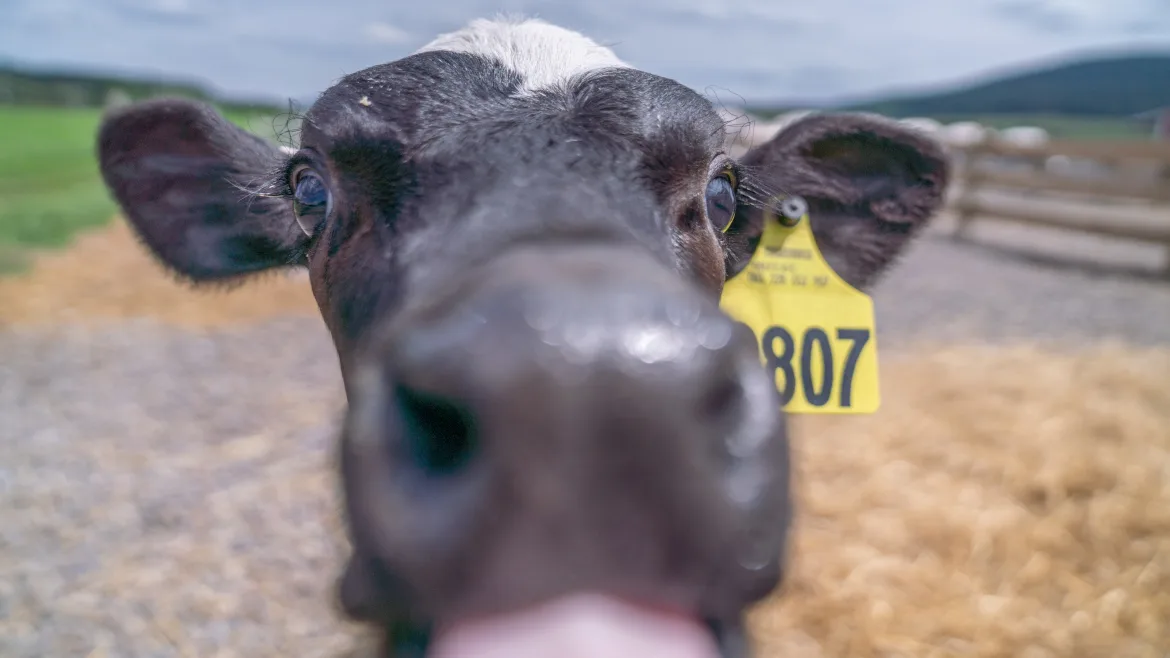
No two fingerprints are alike — and no two cows are, either. One of the biggest challenges in sourcing and traceability of dairy ingredients begins at the primary source itself, milk. Whether crafting a milk-based beverage, cheese, a frozen dairy treat or dairy-derived flavors, the end product will only be as good as the quality of milk from the cows. For this reason, bulk commingling — the combining of raw milk from multiple sources — can be both a "blessing" and a "curse."
As with fine wines, milk has terroir and seasons as well. Milk sourced from Midwest dairy farms will differ from that from New York farms which will be yet different from California sources, etc. Milk in summer from grass-fed cows vs. milk from winter grain-fed bovines will vary. The blessing of bulk commingling is that combining "averages" the flavor of the whole; the curse is that the very best quality milk in a batch will always be diminished by the lesser of the batch.
"Responsible sourcing and traceability begin with strong, long-standing relationships with our dairy farmers," maintains Roberta Osborne, director of Farms and Sustainability for Chobani LLC. "Since the beginning, Chobani has worked closely with family-owned farms because they provide our most important ingredient, and also because a resilient food system depends on thriving local agriculture. Nearly all of the milk we use in the U.S. is sourced locally near our facilities in Idaho, New York, and Michigan, allowing us to maintain direct relationships with farmers and clear visibility from farm to finished product."
Chobani makes sourcing a personal exercise. "One of the things I love most about my job is visiting these dairies and spending time with the people and cows that make it all possible; seeing firsthand where a cup of yogurt truly starts," Osborne explains. "This proximity supports the highest quality and safety standards, with milk produced under FDA Grade A requirements and strict conditions at every step."
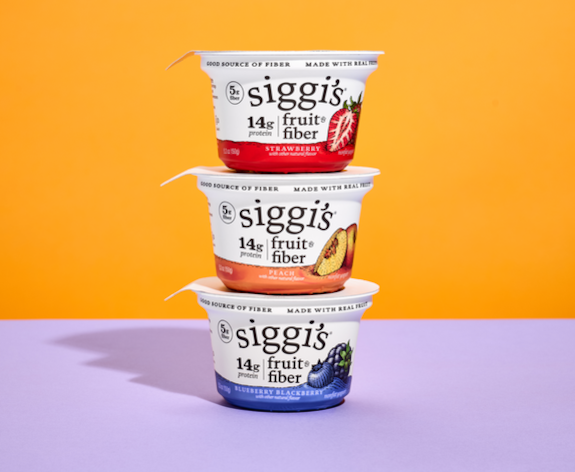
Siggi’s chose chicory root fiber because it adds natural sweetness and creaminess while boosting prebiotic fiber without impacting taste or texture. Courtesy of The Icelandic Milk and Skyr Corp./KevinDoonan
Milk by the millions
Osborne further notes that in 2025 alone, Chobani purchased more than three billion pounds of raw milk from more than 430 family farms across Idaho, Michigan and New York. "We recently broke ground on an expansion of our La Colombe plant in Norton Shores, Mich., which will significantly increase the amount of milk we source locally, increasing it from approximately 30 million pounds annually today to an expected 615 million pounds cumulatively over the next few years. This investment underscores our long-term commitment to Michigan dairy farmers and regional agriculture at large."
Chobani’s commitment goes further, investing in farmers and their communities through safety training, PPE, health fairs, and shared spaces because strengthening small farms is a long-term investment in people, place and product integrity. "By sourcing locally and investing in rural communities like the Magic Valley, Central New York, and West Michigan, we’re helping strengthen regional economies and build trust with consumers," adds Osborne. "It’s a model that supports farmers, creates meaningful ripple effects across local businesses, and ensures the products we make meet the highest standards."
Greg Wolf, director of Producer Relationship Management for Danone USA, follows a similar source-and-trace pathway. "Danone sources milk through long-standing partnerships with more than 50 American dairy farm partners, many of them multi-generation family operations. That milk goes directly into our products designed to meet evolving consumer demand for protein, gut health, and lower sugar products."
Danone further enhances its tracing by acquiring not only milk but some 90% of all its ingredients from American partners. "Our farm partner relationships are foundational to how we deliver high-quality, nutrient-dense food while supporting a resilient domestic food system," Wolf continues. "Regenerative agriculture is a central part of our partnerships. Each of our direct farm partners is voluntarily enrolled in our program, which focuses on improving soil health, conserving water, supporting animal welfare and helping farms remain productive and economically viable for generations to come. These investments are designed to support farm resilience and longevity, because the future of our business depends on the long-term success of the farmers we partner with."
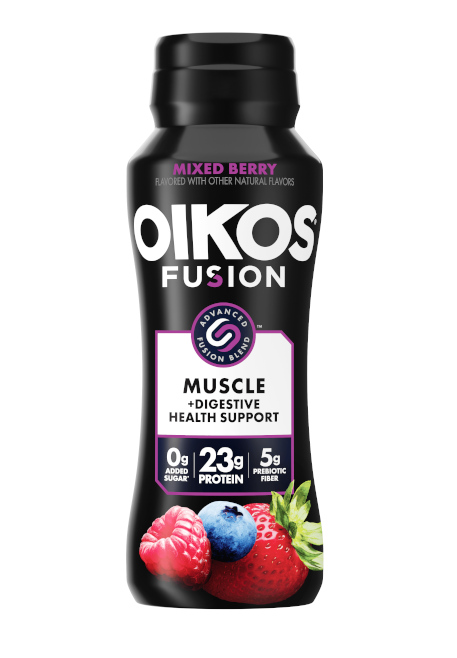
Danone USA, makers of Oikos, sources approximately 90% of its ingredients (and even its packaging materials) in the U.S. Courtesy of Danone USA.
Cold comfort
In the current economic climate, it’s tempting to place cost of ingredients in a primary position when sourcing. However, it should never be the primary driver of ingredient purchasing decisions. "Clean label rather than cost is the driver of our sourcing," says Andy Connolly, director of Flavor Development and Production Planning for Graeter’s Ice Cream Co. "That alone can limit the suppliers with whom we partner."
The 156-year-old Cincinnati-based family-owned company also specializes in gourmet versions of standards, such as vanilla using whole Madagascar vanilla beans, Dutch Milk Chocolate, and a host of chocolate chip versions in bases ranging from banana, black cherry and black raspberry to its signature Boldly Bearcat with a creamy mascarpone base supporting the chips plus Oreo cookie bits.
"We partner with premium processors and strive to use natural ingredients and flavor from the named fruit source," stresses Connolly. "Our approach is ‘from source to scoop.’ One example is our signature Black Raspberry Chip. We have long-term, deep partnerships with the family farms and fruit processors in the Pacific Northwest, so all parties know we’re in it together for the long haul. Our team is in the fields with the farmers for black raspberries and strawberries, and then back on site during the processing of the fruit into our purée.
The seasonal nature of produce, especially delicate produce like berries, can be challenging. "Some years the crop is better than others and we’re going to weather the storms together with our farmers and make sure they know we won’t take advantage of them in the high-yield years," Connolly states. Graeter’s approaches traceability similarly. "For traceability, we’ve evolved over our 150-plus year history from ‘pen and pencil’ traceability to giant Excel docs to implementing sophisticated ERP and QA traceability systems," Connolly explains.
Graeter’s recently began crafting alcoholic ice creams that include spirits, particularly premium bourbon from distillers such as the Texas-based Garrison Brothers and top-shelf Kentucky distilleries. "Our Bourbon Ball ice cream is a great story of grassroots, local partnerships; sometimes magic happens through word of mouth," offers Connolly. "We were looking for a kosher bourbon to create the product, and we learned that a local bourbon maker, New Riff Distilling, was working on a passion project of its own, a kosher bourbon, and the stars aligned."
Heavy metal
In the past year, several major recalls of dairy products involved contamination with metal fragments. Late last year, Great Lakes Cheese Co. was compelled to recall some 1.5 million packages of its shredded cheeses sold in more than 30 states for "metal foreign matter." In May, Straus Family Creamery Inc. recalled selected organic ice cream products from 17 states for "foreign metal material" contamination.
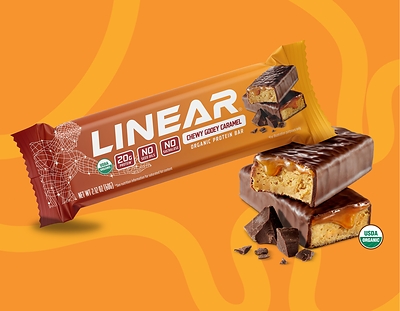
Whey protein is widely recognized for its nutritional quality and muscle-supporting benefits, bringing it back into the protein-boosting spotlight. Courtesy of WCC, LLC
Food safety specialist Eric Garr, Regional Manager for Fortress Technology Inc. describes how product effects can interfere with detection signals and reduce sensitivity in dairy applications:
"Water, like metal, is conductive, which means dairy products can react differently in a food metal detector’s magnetic field. For example, a solid block of cheese behaves differently than grated, sliced, or soft cheese. This product effect may result in the product being rejected and good food being wasted. To identify a metal contaminant within conductive products, a metal detector must address product effect. Reducing the aperture size in relation to the product size can be a simple way to increase metal detector sensitivity and reduce this margin of error. Features such as single-pass product learning and automatic calibration can also help.
"With single frequency metal detectors running ‘wet’ products there is often a trade-off between ferrous and stainless-steel performance depending on the selected frequency. Typically, higher frequencies exhibit increased performance in detecting stainless-steel versus ferrous metals," Fortress adds. "The best approach is to find a frequency that balances the lowest product effect with detection of target contaminants. Software algorithms can adapt to these changing characteristics by distinguishing between product specific indicators and those that flag anomalies. This ensures genuine contamination from metal is not masked by product effect."
Yes, whey
Dairy-derived proteins have made a comeback after years of plant-based proteins gaining prominence as players in the protein-boosting trend. One of the reasons is that whey protein is one of the most bioavailable and effective protein sources available. Some companies using whey as their key protein ingredient are finding some unique hurdles when it comes to sourcing.
Linear Protein Bars by WCC LLC sought to make its line of whey-enhanced bars USDA Organic certified to support its commitment to "the highest standard for clean, functional snacking."
"For Linear, USDA Organic certification isn’t just a label; it reflects the standard we wanted to bring to the protein bar category from Day One," remarks Mel Scott, founder of Linear. "Consumers deserve protein-rich snacks made with integrity and that feel decadent and satisfying to eat without any trade-offs." Each layered Linear bar delivers 20g of complete organic protein, up to 10g of fiber, and is free from seed oils, sucralose or any artificial ingredients.
Product makers can weather the challenges of sourcing such unique dairy ingredients by working with recognized suppliers of dairy ingredients. And, while traceability is the responsibility of all participants in the product manufacturing process, from ingredients to shelf, reputable suppliers will be willing and trustworthy partners in ensuring the safety, purity, and efficacy of dairy and dairy-based ingredients.
David Feder, RDN, has been a food, nutrition, and health journalist for more than 30 years. After becoming a registered dietitian while completing research and coursework toward a PhD in nutrition biochemistry at the University of Texas at Austin, where he also taught food science and nutrition courses, he entered food and nutrition journalism full time. Feder, also Executive Editor–Technical for BNP’s Prepared Foods network, can be reached at federd@bnpmedia.com.
Looking for a reprint of this article?
From high-res PDFs to custom plaques, order your copy today!