

Preparing water systems for dairy growth in 2026
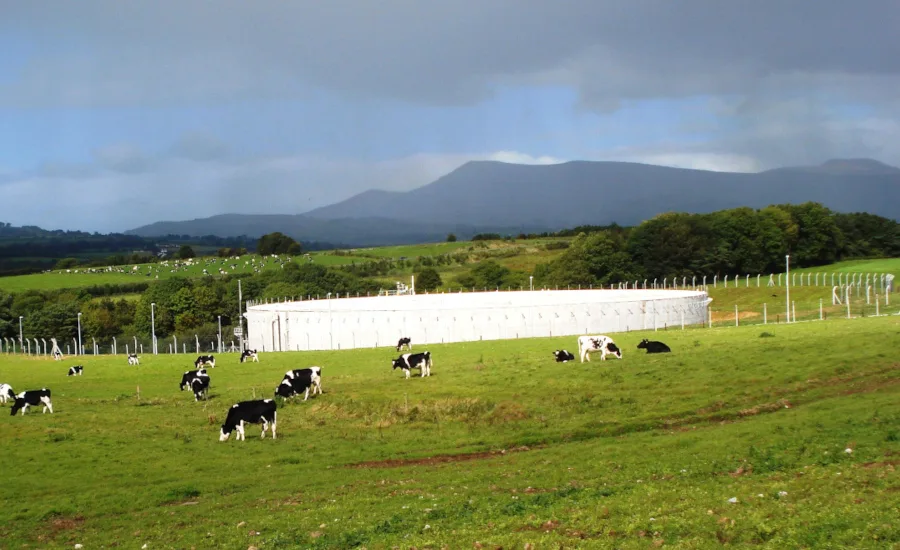
Xylem’s largest BVF reactor at a dairy farm.
Demand for dairy products continues to grow, creating new opportunities for processers to expand production and meet evolving consumer preferences. According to McKinsey's 2026 dairy industry survey, protein-rich products are a major growth driver, with 88% of U.S. dairy executives identifying protein as one of the most influential demand trends.
As processors invest to capture that growth, one question becomes increasingly important: can the facility’s infrastructure keep pace?
Water is essential to every stage of dairy production, from processing and cleaning to wastewater treatment and regulatory compliance. As production increases, water systems face greater demands. Higher volumes generate more wastewater, while new products and processes can introduce additional treatment requirements. Infrastructure that once supported operations efficiently can become a barrier to future growth.
At the same time, regulations continue to evolve. Proposed groundwater protection requirements in California, for example, could place stricter controls on wastewater management and land application practices. For many dairy processors, managing compliance, treatment performance, and planning for future capacity requires more time and expertise than is available in-house.
That is why more processors are taking a strategic approach to water management. By partnering with experienced water specialists, dairy facilities can modernize infrastructure, improve operational performance, and create capacity for growth—allowing plant teams to stay focused on what they do best: producing high-quality dairy products.
The importance of water in dairy operations
Water supports every stage of dairy production, from processing and cleaning to sanitation and wastewater treatment. As production increases, water systems must keep pace. Higher volumes can generate more wastewater, while new products and processes often introduce additional treatment requirements.
Many facilities address these challenges as they emerge, adding equipment or upgrading systems to meet immediate needs. While effective in the short term, this approach can make it difficult to see how water, wastewater, and production systems interact across the facility.
Adopting a more integrated view of water management helps processors identify constraints before they affect operations, improve efficiency, and plan for future growth. It also creates greater flexibility to adapt to changing regulatory requirements while maintaining focus on production performance and product quality.
The value of a total water management partner
Dairy processors are experts in producing safe, high-quality products at scale. Managing water, wastewater, and compliance across a growing operation requires a different set of expertise.
As production expands, water systems become increasingly connected to business performance. Treatment capacity, operating costs, regulatory compliance, water reuse opportunities, and future expansion plans are all influenced by how water moves through the facility.
A total water management partner helps processors take a broader view. Rather than addressing individual challenges as they arise, they bring expertise across water supply, process water, wastewater treatment, resource recovery, and regulatory compliance to ensure water infrastructure supports long-term business goals.
For some facilities, that means identifying treatment constraints before they limit production. For others, it means reducing operating costs or uncovering opportunities to recover value from wastewater streams. In every case, the objective is the same: turning water infrastructure into an enabler of growth rather than a barrier to it.
Supporting growth through smarter water management
As dairy facilities expand, water-related challenges often emerge in different ways. Some processors need additional treatment capacity. Others are looking to improve efficiency, reduce costs, or create flexibility for future growth.
At Lone Star Dairy in Texas, increasing production volumes placed new demands on the facility’s wastewater treatment system. Working with Xylem, the processor expanded its anaerobic treatment capacity to handle 350,000 gallons of wastewater per day, supporting continued growth while avoiding additional operating costs and municipal surcharges.
At Noosa Yoghurt in Colorado, rapid growth was generating more wastewater and creating uncertainty about future treatment needs. The company implemented a modular membrane bioreactor system from Xylem that could be expanded in phases as production increased. This approach helped Noosa add treatment capacity when needed rather than investing in its full future requirements from the start.
Meister Cheese in Wisconsin faced a similar challenge. As production increased, wastewater treatment capacity threatened to become a limiting factor. By upgrading its anaerobic digestion process with Xylem's nanobubble technology, Meister increased treatment performance while avoiding an estimated $10 million in wastewater infrastructure expansion costs.
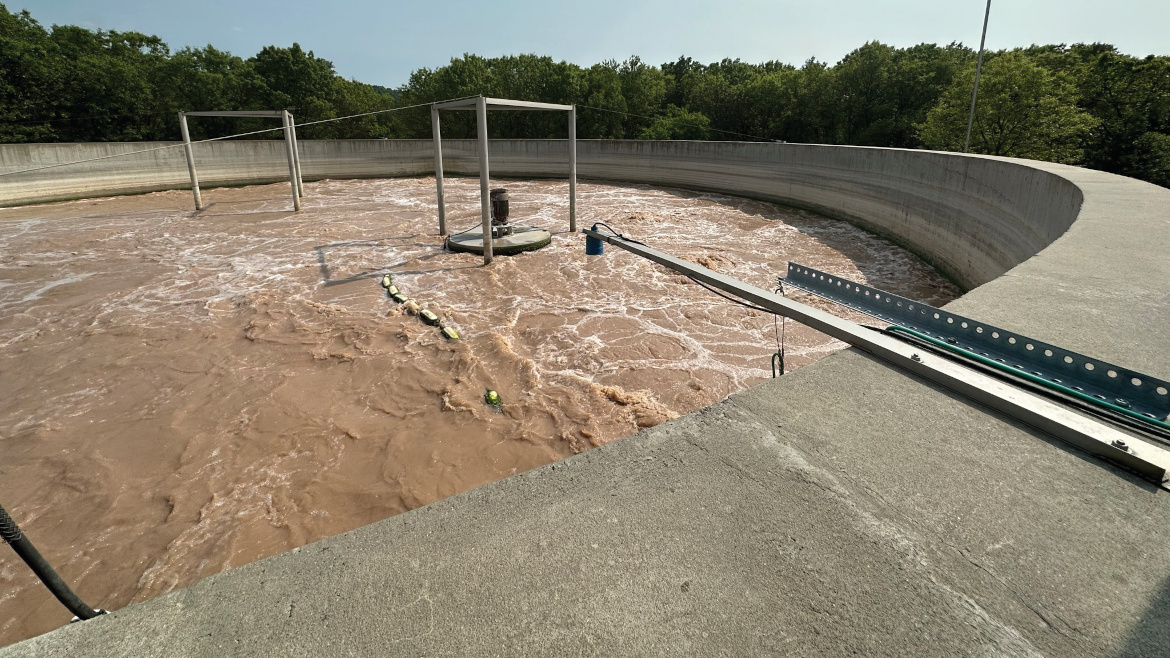
Xylem & Moleaer’s nanobubble technology at Meister Cheese production plant. Image courtesy of Xylem
Staying focused on what matters most
The dairy industry's growth outlook remains strong, but the demands surrounding water management continue to grow more complex. Production targets, regulatory requirements, sustainability goals, and operating costs are increasingly interconnected.
Most dairy processors do not want to spend more time managing water. They want confidence that the systems supporting their operations can keep pace with the business.
That's where Xylem can help. With expertise spanning process water, treatment, reuse, and wastewater management, Xylem helps dairy producers optimize water performance across the facility—so plant teams can stay focused on what they do best: producing high-quality dairy products and growing their business.
Click here to learn how we can help you focus on your product, not your water.
Looking for a reprint of this article?
From high-res PDFs to custom plaques, order your copy today!


