Health & Wellness
Can frozen desserts taste great and provide health benefits?
What better-for-you means in frozen desserts.
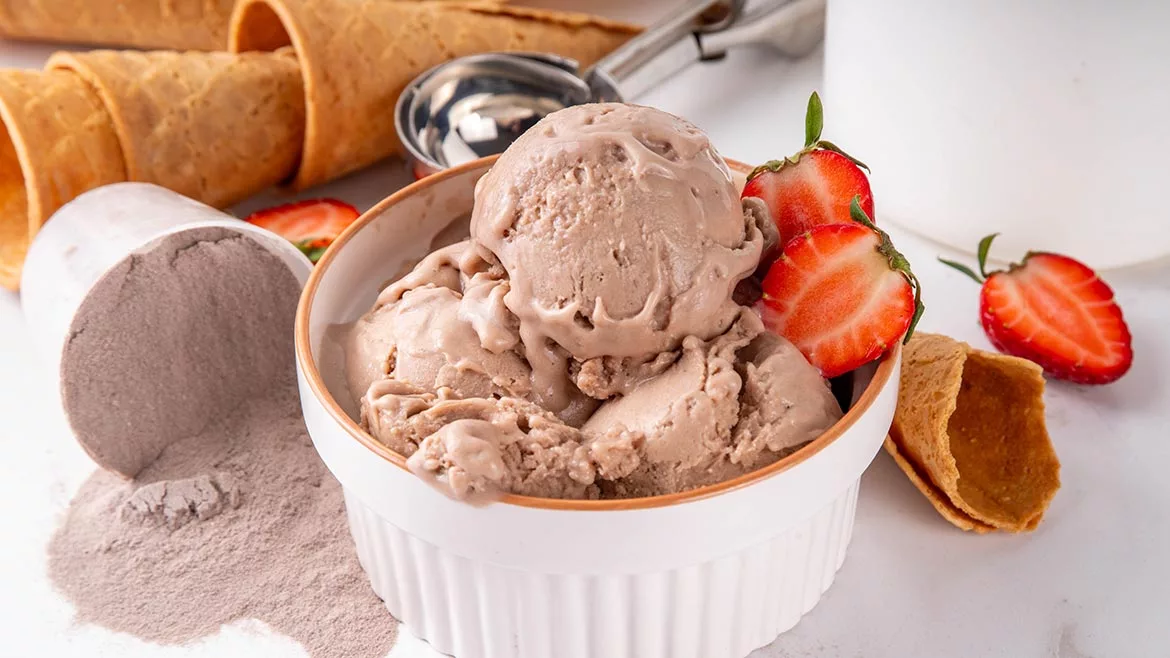

As temperatures climb, consumers will be reaching for frozen treats to cool themselves down. As more Americans prioritize fitness, personalized nutrition, GLP‑1-aligned eating patterns and diabetes- or keto‑friendly food choices, ice cream and frozen dessert manufacturers are accelerating innovation by rethinking formulations, sweeteners, and portion formats to deliver products that satisfy both nutritional aspirations and desires for indulgence.
FroCo, made by New York-based Smearcase (see Episode 63 of the “Let’s Talk Dairy” podcast), uses cottage cheese and collagen to tap into consumer interest for protein and cottage cheese.
Originally developed for marathon training recovery, this frozen product contains 39 to 44 grams of protein, 55 to 57 grams of carbohydrates, 9 to 20 grams of fat, and 450 to 570 calories per pint, depending on the variety. Due to the number of calories burned during training, runners need boosts of protein, calcium, and carbohydrates to help maintain both muscle mass and bone health. FroCo is a frozen dairy dessert that provides important nutrients in a refreshingly cool and creamy format.
Companies like Colorado-based Yasso are also redefining what a “better‑for‑you” frozen treat looks like. Its Greek‑yogurt–based ice cream sandwich delivers 5 grams of protein with just 130 calories per 195-gram sandwich, offering a nostalgic format with a lighter nutritional profile. The brand’s poppables product extends this approach with round, bite‑sized frozen and flavored Greek yogurt centers coated with a crunchy chocolate-flavored shell. This frozen snack contains 1 gram of protein, 3 grams of sugar, 1.5 grams of fat, and 35 calories, providing consumers with an indulgent yet portion-controlled experience.
As the ancient proverb reminds us, “necessity can be the mother of invention.” That has certainly been true for entrepreneur Nathaniel Cook, cofounder of Tier One Nutrition, a Savannah, Ga.‑based nutrition center; owner and operator of Ascend Wellness, a medical wellness spa specializing in hormone optimization, weight management, and performance‑based health solutions; and founder of Sinless Scoops, a better‑for‑you ice cream brand that blends indulgence with clean‑label nutrition.
After retiring from military service, Cook and his wife began offering nutrition and weight‑loss coaching through their business ventures. Those experiences proved formative, underscoring the critical role of high‑quality, complete dairy proteins in meeting the nutritional needs of both performance‑driven athletes and aging or overweight consumers.
“Our clients were in search of a tasteful, easy way to consume nutritionally complete functional food products that contain higher protein, lower sugar, and higher fiber levels for improvements in both physical and digestive health. At the same time, the release and uptake of GLP‑1 medications began to surge, further reinforcing the need for products that deliver on these attributes,” Cook says. “Since so many people enjoy ice cream, I began experimenting with how to create a nutritionally complete, yet creamy and tasteful ice cream. That is how Sinless Scoops came into existence in 2024.”
Since its launch, Sinless Scoops has expanded rapidly and now produces ice cream in a 7,000‑square‑foot manufacturing facility near Savannah, Ga. The company manufactures pints and single‑serve containers of its proprietary formula for retail, convenience stores, and institutional settings such as universities, hospitals, and home‑healthcare programs.
Sinless Scoops’ Savannah Praline ice cream delivers 16 grams of dairy protein, 11 grams of fiber, 2 grams of sugar, and 260 calories per 2/3 cup serving via a frozen creamy base with praline inclusions to create a satisfying, permissible indulgence. Designed with reduced lactose and sugar content, Sinless Scoops’ product line is well-suited for diabetic consumers and those seeking to limit lactose intake.
Keto-friendly products are another segment of the market focused on high protein and sugar-free ice cream and frozen desserts. The keto diet requires very low-carbohydrate content (less than 50 grams per day), uses fat as the primary energy source and utilizes fiber and sugar alcohols to limit the net carbohydrate levels.
The keto brand offers salted caramel almond ice cream bars that contain 4 grams of protein, 3 grams of net carbohydrates, 16 grams of fat and 190 calories per bar to meet these needs. Rebel Creamery also has a line of keto-friendly vanilla ice cream with 2 grams of protein, 17 grams of fat, 1.3 grams of net carbs and 190 calories per 2/3 cup serving. In both products, the No. 1 ingredient is cream.
As consumers adopt a wider range of nutritional lifestyles, innovation will continue to be essential for manufacturers striving to attract and maintain these customers. Dairy inherently provides high‑quality, complete protein, specialized milkfats, vitamins and minerals that serve as a powerful base for product formulations.
Plus, dairy’s neutral flavor profile and remarkable functionality are easily enhanced through modern filtration, concentration, and aeration technologies, allowing ice cream and frozen dessert manufacturers to tailor texture, sweetness, and nutrition in new and tasteful ways to meet consumer needs both now and into the future.
Looking for a reprint of this article?
From high-res PDFs to custom plaques, order your copy today!