Dairy Foods logo
search
cart
facebook twitter linkedin youtube
  • Sign In
  • Create Account
  • Sign Out
  • My Account
Dairy Foods logo
  • NEWS
    • DAIRY REGULATIONS
  • PRODUCTS
    • New Products
    • Butter
    • Cheese
    • Cultured Dairy
    • Frozen Desserts
    • Ice Cream/Novelties
    • Milk
    • Non-Dairy Beverages
    • Sales Data
    • Whey, Milk Powder
    • Dairy Alternatives
  • INGREDIENTS
    • Cocoa
    • Colors/Flavors
    • Cultures/Enzymes
    • Fiber
    • Gums, Stabilizers, and Texturants
    • Inclusions
    • Omegas/Lipids
    • Prebiotics
    • Probiotics
    • Sweeteners
    • Other
  • OPERATIONS
    • SUSTAINABILITY
    • Equipment
    • Processing
    • Packaging
    • Food Safety & Sanitation
    • Membrane Technology
  • MEDIA
    • Dairy Foods TV
    • Podcasts
    • Webinars
  • DIRECTORIES
    • Buyers Guide
    • Dairy Plants USA
  • MEMBRANE FORUM
  • MORE
    • Associations
    • Dairy Foods' News & Views Newsletter
    • Blogs
    • Case Studies
    • Classifieds
    • Custom Content & Marketing Services
    • Dairy Foods Store
    • Market Research
    • Sponsor Insights
    • Supplier Spotlights
    • Tradeshows and Events
    • Strategy Guides
  • AWARDS
    • Dairy Plant of the Year Award
    • Breakthrough Award
    • Dairy Processor of the Year
  • EMAGAZINE
    • eMagazines
    • Archive Issues
    • Contact
    • Advertise
    • SIGN UP!
    • Columnists
    • Dairy 100
    • State of the Industry Report
    InnovationDairy Foods & BeveragesDairy Foods ColumnistsCheese

    Dairy Detective

    Biofermentation: Turning dairy co-products into high-value innovations

    Microbial oils no longer just waste as they can be upgraded into biodiesel or sustainable aviation fuel.

    By Pratishtha Verma
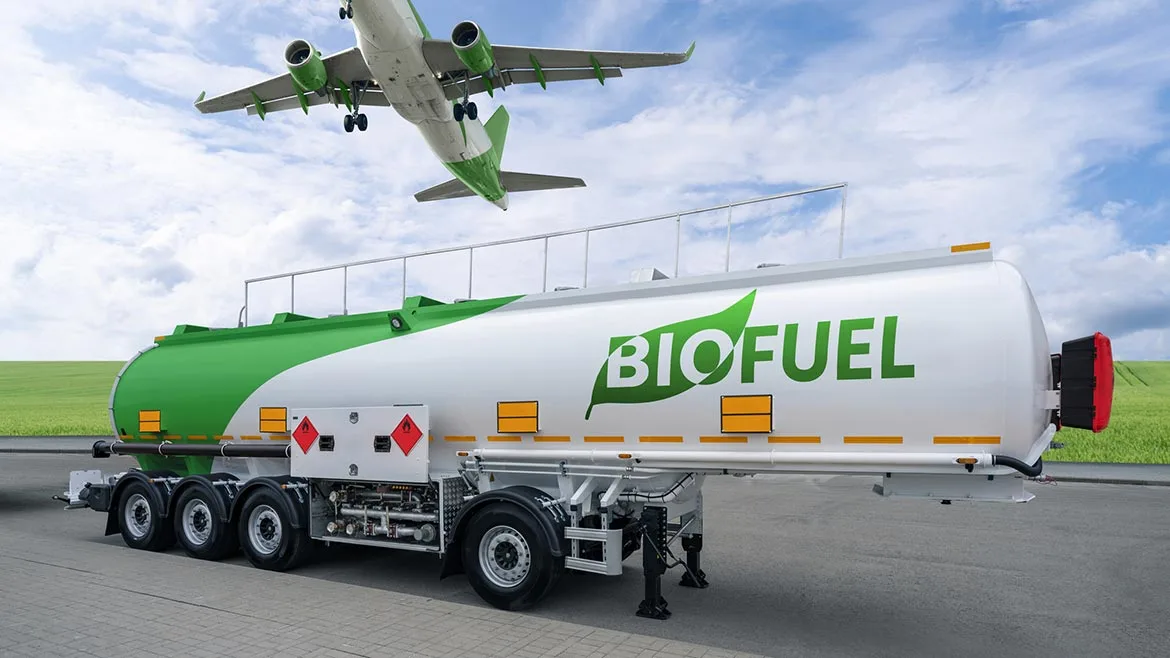
    Airplane and biofuel tank trailer with a grass lawn and blue, cloudy sky as a backdrop.
    Photo by Scharfsinn86/iStock / Getty Images Plus via Getty Images
    July 20, 2026
    Pratishtha Verma

    Pratishtha Verma is a Dairy Ingredients and Applications Scientist at the Center for Dairy Research, University of Wisconsin–Madison, with more than five years of experience supporting the dairy industry. She is an active IFT member and serves as Lead for the Dairy Foods Magazine Team and chair-elect of the Product Development Division.

    The dairy industry has long been a model of efficiency, evolving from simple milk processing to producing a wide range of functional and nutritional ingredients. Processors have mastered the art of fractionation, creating high-value products such as whey protein concentrates (WPC), whey protein isolates (WPI), and other specialized ingredients that meet consumer demand for nutrition and food/beverage applications. However, this progress generates large volumes of low-value co-products, such as whey permeate, acid whey, and other streams are generated during cheese, Greek yogurt and protein fractionation.

    Historically, these streams were relegated to animal feed or costly disposal, creating environmental and economic burdens. For every kilogram of cheese produced, nearly nine liters of whey are generated, and if discarded untreated, they pose significant sustainability and environmental concerns. Today, however, these streams, rich in lactose and minerals, are now being recognized as untapped resources that can be valorized through biofermentation.

    Biofermentation — the use of microorganisms to convert sugars and nutrients into new molecules — offers a powerful approach to transform dairy co-products into high-value products. These streams are rich in lactose, a carbohydrate that microbes can efficiently metabolize, making them ideal substrates for fermentation.

    Strategies include using lactose-positive yeasts such as Kluyveromyces marxianus, enzymatically hydrolyzing lactose into glucose and galactose, or deploying microbial consortia that thrive on dairy matrices. Because these streams are sanitary and food-grade, they often require less pretreatment than agricultural residues, reducing costs and complexity. This combination of abundant supply and favorable composition positions dairy co-products as a strategic resource for sustainable innovation.

    The possibilities for valorizing dairy co-products through biofermentation are remarkably diverse. One of the most promising pathways is the production of polyhydroxyalkanoates (PHAs), which are biodegradable plastics synthesized by bacteria when fed lactose-rich substrates. These bioplastics can be extracted and converted into films, coatings and packaging materials, offering a sustainable alternative to petroleum-based plastics.

    Organic acids such as lactic, citric and acetic acids represent another major opportunity, with lactic acid serving as a key precursor for polylactic acid (PLA), an emerging used bioplastic. Ethanol production from whey has a long history, and modern approaches extend this to craft spirits and whey-based beverages, blending sustainability with consumer appeal with the possibility of transformation into sustainable aviation fuel.

    Single-cell protein (SCP) production is also advancing, with yeasts and fungi converting dairy carbohydrates into high-protein biomass for animal feed, aquaculture and potentially human nutrition. Another frontier are microbial oils — lipid-rich biomass produced by oleaginous yeasts — which can be upgraded into biodiesel or even sustainable aviation fuel. These organisms can store up to 70% of their biomass as lipids, which, after fermentation, can be processed into renewable diesel or hydrotreated into jet-range hydrocarbons. Although still in early pilot stages, this type of pathway demonstrates how dairy co-products could contribute to low-carbon transportation solutions, underscoring their role in a future circular economy.

    Research centers and companies across the U.S. are investing in dairy bioprocessing infrastructure. The Center for Dairy Research (CDR) in Wisconsin, for example, has installed a 400-liter fermentation system to help processors test commercialization-scale ideas. The cost gap between development and industrial scale could be significant — a 100-liter bioreactor might cost tens of thousands of dollars, a 1,000-liter could require several hundred thousand, and full-scale plants often run into millions.

    Yet, these facilities help validate processes and optimize recovery before large investments. Experts emphasize integrating membrane fractionation with fermentation, selecting microbes that can handle lactose, and planning downstream separations early, as purification expenses often dominate production costs. Consistent feedstock supply, lactose utilization strategies, and efficient recovery technologies are critical for success.

    Partnerships between dairy processors, biotechnology firms, and academic institutions are accelerating progress, with pilot projects demonstrating that what was once considered waste can become a profitable product stream.

    Challenges remain. Feedstock variability can affect microbial performance, and lactose hydrolysis adds cost even as it improves yields. Downstream processing for products like PHAs and microbial oils can exceed half of total production expenses, making scalable and energy-efficient recovery essential. Regulatory compliance is another hurdle, particularly for food or feed applications, which require safety documentation and, in many cases, GRAS status for microbial strains and processes. Market acceptance also plays a role —while sustainability is a strong selling point, products must meet performance and cost benchmarks to compete with conventional alternatives.

    Despite these challenges, the opportunity is clear. Co-products are no longer just waste; they are strategic resources for the bioeconomy. With the right microbes, reactors and separation technologies, streams like permeate and acid whey can become valuable feedstocks for materials, fuels, and novel foods that improve margins and reduce environmental impact.

    As biotechnology matures and sustainability becomes a market imperative, dairy processors stand at a pivotal juncture. The future of dairy is not limited to milk and traditional products. It is about expanding value through innovation, unlocking the hidden potential of every fraction, and building a resilient, low-carbon food system that thrives on diversity and resourcefulness.

    KEYWORDS: acid whey bioengineered food Center for Dairy Research columnists dairy industry environmental issues enzymes Greek yogurt lactose milk processing packaging sustainability sustainability whey permeate whey protein concentrate whey protein isolate

    Share This Story

    Looking for a reprint of this article?
    From high-res PDFs to custom plaques, order your copy today!

    Pratishtha verma
    Pratishtha Verma is a research and development scientist at Idaho Milk Products (IMP). In her current position, she is working on various milk ingredient applications aimed at increasing the protein load as well as developing new application areas for IMP’s milk ingredients. Before joining IMP, Verma graduated from South Dakota State University, where she completed her master’s in Dairy Manufacturing with a concentration in dairy microbiology and food technology.

    Recommended Content

    JOIN TODAY
    to unlock your recommendations.

    Already have an account? Sign In

    • Lifeway Organic Kefir in different flavors inside a refrigerated grocery shelf.

      Dairy Foods names Lifeway Foods 2025 Processor of the Year

      Lifeway Foods donates $10,000 to wildfire victims,...
      Dairy Foods & Beverages
      By: Brian Berk
    • Two female farmers are standing in a field, holding a large milk canister, looking at several cows at dairy farm.

      Honoring Women Leaders Shaping the Dairy Industry

      For the fourth consecutive year, Dairy Foods is proud to...
      Dairy Foods & Beverages
      By: Barbara Harfmann
    • Main feature for State of the Industry with dairy products album cover with a gradient circular--patterned backgorund.

      2025 State of the Dairy Industry

      Welcome to the 2025 State of the Industry report. For...
      Dairy Foods & Beverages
    Manage My Account
    • eMagazine Subscription
    • Dairy Foods News & Views Newsletter
    • Online Registration
    • Manage My Preferences
    • Subscription Customer Service
    • Connect with Dairy Foods

    More Videos

    Sponsored Content

    Sponsored Content is a special paid section where industry companies provide high quality, objective, non-commercial content around topics of interest to the Dairy Foods audience. All Sponsored Content is supplied by the advertising company and any opinions expressed in this article are those of the author and not necessarily reflect the views of Dairy Foods or its parent company, BNP Media. Interested in participating in our Sponsored Content section? Contact your local rep!

       close
    • Xylem’s largest BVF reactor at a dairy farm
      Sponsored byXylem

      Preparing water systems for dairy growth in 2026

    Popular Stories

    Splash of milk in form of arm muscle. 3D illustration.

    Protein: The Powerhouse of Health and Wellness

    Vanila and blueberry ice cream with lavender on blue background.

    Is ice cream a healthy food?

     Female hand using a spoon to eat vanilla yogurt with chocolate granola and berry fruits in plate over wooden table.

    Examining dairy’s link to sleep benefits

    Plant of the Year


    Food Safety webinar

    Events

    July 8, 2026

    Membrane Purification Enables Clean Beauty Actives

    The global cosmetics market is undergoing a major shift towards the use of natural bioactive ingredients as consumers grow more skeptical of traditional formulations and demand greater transparency and sustainability.

    July 22, 2026

    Food Safety Today: What Dairy Processors Need to Know

    Join the husband-and-wife team, Rich and Heather Draper, of the Ice Cream Club Inc., who have implemented food safety practices for more than 40 years, for this fascinating and educational webinar.

    View All Submit An Event

    Products

    Probiotic Ice Cream: Science and Technology

    Probiotic Ice Cream: Science and Technology

    See More Products
    health and wellness

    Related Articles

    • TetraPakLogo

      How membrane filtration can transform milk into high-value ingredients

      See More
    • smoothies with whey protein

      Examining the benefits of whey protein in functional health

      See More
    • drinking probiotics

      An introduction to probiotics

      See More

    Related Products

    See More Products
    • advances.jpg

      Advances in Dairy Products

    • df emerging.jpg

      Emerging Dairy Processing Technologies: Opportunities for the Dairy Industry

    • handbook.jpg

      Handbook of Dairy Foods and Nutrition, 3rd Edition

    See More Products

    Events

    View AllSubmit An Event
    • March 11, 2026

      Dairy Innovations: Navigating the Hottest Trends in Product Development

      On-Demand There are few things hotter than dairy products these days, but consumers are seeking more than ever before, including high-protein foods with great taste.
    View AllSubmit An Event

    Related Directories

    • Titusville Dairy Products Co.

    • Paxton Products, an ITW Co.

      Paxton Products is the industry leader in innovation and design for drying, blow-off and air rinsing solutions. From our industry leading PX-Series Centrifugal Air Blowers, to our high velocity Air Knives and Knife Drying Systems, we have everything you need to be successful in your packaging and processing operations. And with our industry-leading Ionizing Rinsing Systems, you can effectively remove dust and debris from surface without the need for water and/or compressed air rinsing.
    • Miceli Dairy Products

    ×

    Stay ahead of the curve. Unlock a dose of cutting-edge insights.

    Receive our premium content directly to your inbox.

    SIGN-UP TODAY
    • RESOURCES
      • Advertise
      • Contact Us
      • Directories
      • Store
      • Want More
    • SIGN UP TODAY
      • Create Account
      • eMagazine
      • Newsletter
      • Customer Service
      • Manage Preferences
    • SERVICES
      • Marketing Services
      • Reprints
      • Market Research
      • List Rental
      • Survey/Respondent Access
    • STAY CONNECTED
      • LinkedIn
      • Facebook
      • YouTube
      • X (Twitter)
    • PRIVACY
      • PRIVACY POLICY
      • TERMS & CONDITIONS
      • DO NOT SELL MY INFORMATION
      • PRIVACY REQUEST
      • ACCESSIBILITY

    Copyright ©2026. All Rights Reserved BNP Media, Inc. and BNP Media II, LLC.

    Design, CMS, Hosting & Web Development :: ePublishing