Casein proteins in milk self-associate to form large aggregates called casein micelles. This self-association occurs because the hydrophobic amino acids in caseins prefer to cluster together, minimizing their contact with water, according to Dr. John Lucey.
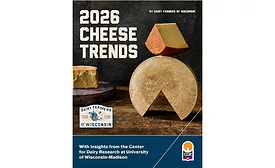
Dairy Farmers of Wisconsin (DFW) unveils its 2026 Wisconsin Cheese Trends Report, offering an in-depth look at the ideas, innovations, and consumer interests set to define the dairy landscape in the year ahead.
For membrane technology professionals, the CDR's work offers valuable insights into optimizing system performance, implementing new filtration solutions and improving product quality.
In this Q&A, Dr. Daniel Wilbanks, coordinator of the Dairy Products and Processing Team at CDR, discuses emerging trends, research priorities and advances in membrane technology applications.
Most of the fat in milk (around 99%) is in the form of triglycerides. Triglyceride molecules consist of a glycerol backbone with three fatty acids attached (or esterified) to it (hence the name “tri” “glyceride”).
Protective cultures are an emerging and growing area in the food industry, including for use in dairy products. Among other benefits, they can help reduce food waste and spoilage.
It will establish the Wisconsin Cheese Makers Association CDR Fund at the University of Wisconsin Foundation to support the Center’s teaching, research and outreach roles.
As spring is finally arriving, the dairy industry can look forward to heading to Madison, Wis., for CheeseCon, set to take place from April 15 to 17 at the Alliant Energy Center.