Fouling in membrane filtration affects performance, especially for dairy processors focusing on higher solids and efficiency. It impacts flux, cleaning frequency, energy use, and membrane lifespan. To improve performance, it's essential to consider feed composition, operating conditions, system design, cleaning practices, and membrane selection.
Whey, once seen as a byproduct, is now a valuable resource for dairy processors, projected to grow into a $26.24 billion market by 2034. Innovations in membrane filtration and byproduct recovery are driving this shift, enhancing sustainability and protein extraction.
As dairy sales grow, pumps and valves play a vital role—pumps ensure accurate, controlled product transfer, while valves regulate flow, isolate systems, and support cleaning processes.
As product specifications tighten and global demand for high-value dairy ingredients continues to grow, processors are increasingly relying on membrane technologies.
Explore how membrane technologies are changing milk demineralization to meet the rising demand for high-value dairy ingredients while balancing efficiency and product quality.
Cleaning and sanitizing dairy processing equipment is a complex task influenced by the nature of dairy products, intricate equipment designs, strict regulatory standards (FSMA, PMO), and environmental conditions. Inadequate sanitation can lead to product recalls and outbreaks, especially when manual cleaning is required for dry systems or equipment with complex internal geometries, such as heat exchangers.
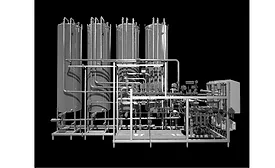
CIP systems are essential for food safety by cleaning product contact surfaces to prevent contamination from harmful bacteria and microorganisms. CIPure’s tailored design and advanced monitoring technology was designed to help companies be intentional in their approach to cleaning and potentially add decades of life to their equipment.





.webp?t=1747811691)