Membrane Technologies
Milk demineralization a critical step for processors
As product specifications tighten and global demand for high-value dairy ingredients continues to grow, processors are increasingly relying on membrane technologies.
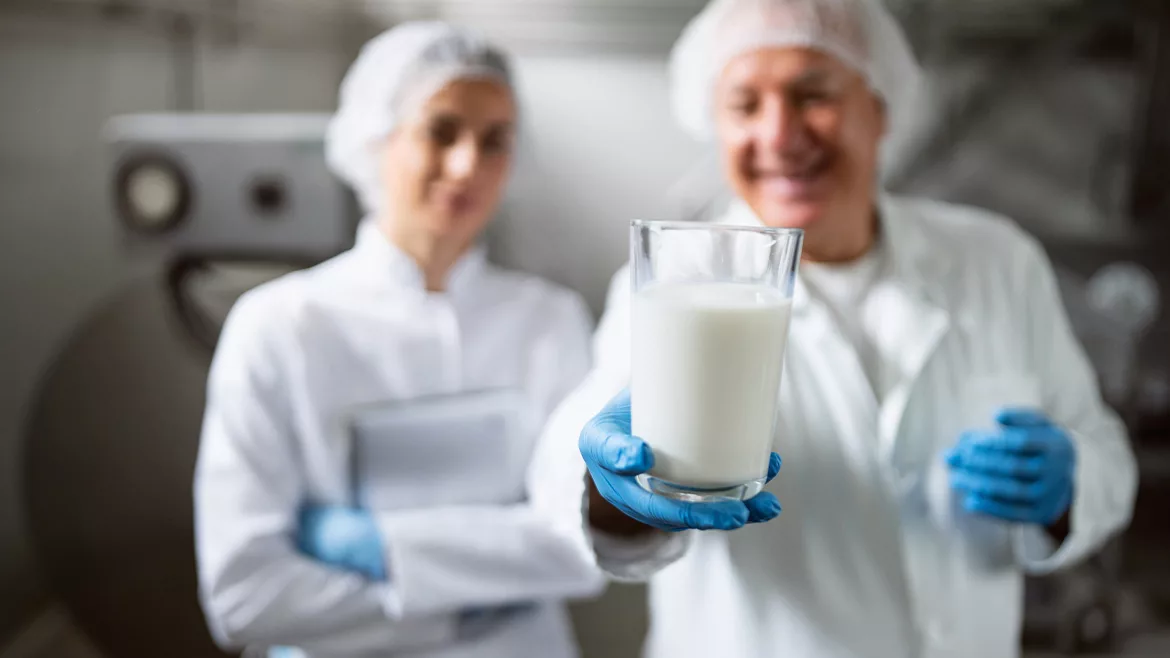
Milk demineralization remains a critical processing step for dairy manufacturers working in infant nutrition, specialty powders and functional ingredients. As product specifications tighten and global demand for high-value dairy ingredients continues to grow, processors are increasingly relying on membrane technologies to manage mineral content while maintaining product quality and operational stability.
At the same time, membrane-based demineralization is rarely a simple optimization exercise. Throughput, energy consumption, membrane life and consistency are tightly linked, requiring processors to balance competing priorities at both the design and operating levels. Recent developments in membrane materials, system integration and digital monitoring reflect an industrywide shift toward solutions that emphasize long-term performance rather than short-term gains.
Managing performance tradeoffs in commercial operations
In commercial dairy processing, membrane systems used for demineralization must operate within narrow performance windows. Increasing flux can raise throughput, but doing so may accelerate fouling and shorten membrane life. Likewise, pushing toward higher levels of demineralization can increase osmotic pressure and energy demand, raising operating costs and placing additional strain on equipment.
Tu Uyen Bouhil, global technical sales leader and product manager for Membrane Technologies at Charlotte, N.C.-based SPX FLOW, explains: “Processors often face trade-offs between flux rate, demineralization level (product quality), energy consumption and membrane life (operating cost). While higher flux increases throughput, it may also raise the risk of fouling and reduce membrane lifespan. Likewise, targeting maximum demineralization can elevate osmotic pressure and drive up energy use.”
Processors manage these tradeoffs by optimizing operating parameters (pressure, temperature, flow rates), using staged processing with partial membrane demineralization followed by ion exchange, and applying routine clean-in-place (CIP) protocols to maintain performance and reduce downtime.
Staged or hybrid configurations have become increasingly common across the dairy sector. By combining partial membrane demineralization with polishing steps, processors can control mineral reduction precisely while minimizing chemical use, energy consumption and membrane stress. This flexibility is particularly useful when adjusting to different product streams or switching between standard milk powders, infant formulas, and specialty ingredient applications.
Design and operating factors support uptime
Long-term consistency and uptime depend heavily on membrane selection, flow distribution, cleaning protocols, and automation. Bouhil recommends the following:
- Membrane selection and configuration: Select membranes with appropriate selectivity for milk minerals and ensure proper system sizing.
- System hydraulics and flow distribution: Maintain uniform flow to reduce fouling and support consistent performance.
- Cleaning protocol and chemical compatibility: Use effective CIP procedures with compatible chemicals to extend membrane life and minimize downtime.
- Automation and monitoring: Leverage advanced controls for pressure, conductivity and temperature to maintain stable operation and enable early issue detection.
Dairy Foods reporting on membrane system performance indicators confirms that automation and inline monitoring are becoming more common in dairy plants, helping operators detect performance changes early, maintain operational consistency and prevent costly downtime.
Plant operators also emphasize training and system familiarity. Even the most advanced membranes cannot perform optimally if operating staff are not fully versed in flow dynamics, pressure limits and cleaning cycles, highlighting the human element alongside technological solutions.
Technology advances in membrane demineralization
Recent equipment developments highlight the industry’s focus on durability, productivity, and energy efficiency. In 2024, DuPont Water Solutions launched FilmTec Hypershell NF245XD nanofiltration elements, designed for dairy applications including milk and whey demineralization. The elements reportedly offer improved chemical resistance, longer service life, and higher productivity compared with standard nanofiltration products (DuPont, 2024).
In the 2025 membrane technology year-in-review, Dairy Foods highlights innovations such as ceramic membrane modules, anti-fouling membranes for whey processes and RO (reverse osmosis) elements designed for higher productivity and lower energy demand.
These advances reflect a broader shift from maximizing a single parameter to evaluating total cost of ownership, reliability and compatibility with plant operations. Hybrid or staged membrane systems are increasingly paired with advanced monitoring and control software, enabling operators to fine-tune demineralization levels and throughput in real time.
Sustainability and efficiency pressures
Sustainability is increasingly central to membrane evaluation. Energy use, water consumption, chemical inputs, and membrane longevity are now routine considerations.
Bouhil notes, “As sustainability and efficiency demands continue to rise, several technical developments and process improvements are expected to significantly influence milk demineralization using membranes in the coming years.”
He points out the following key attributes:
- Energy-efficient designs: Lower-pressure membranes and optimized pump systems to reduce energy consumption.
- Improved membrane materials: Greater fouling resistance and longer service life to help lower operating costs.
- Integration with new components: Enhanced system design to support better heat recovery.
- Digitalization and predictive maintenance: Using AI (artificial intelligence) to optimize real-time performance and enable proactive service strategies.”
Applied research projects with VITO and FrieslandCampina have explored advanced nanofiltration and ceramic membranes aimed at improving demineralization efficiency, protein recovery, and cleanability.
According to the International Dairy Journal 2025, membrane separation techniques — from nanofiltration to hybrid systems — are moving toward improved selectivity, sustainability and integration with digital tools like artificial intelligence for process optimization.
Applications driving ongoing demand
Demand for demineralized milk streams remains high in infant nutrition, where regulatory and nutritional requirements demand tight mineral control. Specialty powders and functional ingredients also rely on controlled mineral profiles for solubility, flavor, and downstream processing behavior.
A 2025 study in the Journal of Dairy Research found that partial demineralization of camel and bovine cheese-whey via membrane dialysis reduced mineral and lactose content and altered protein composition, indicating potential for industrial use in food processing and ingredient applications.
Effective demineralization can reduce fouling in evaporation and drying operations, improving consistency and plant performance. Additionally, controlled demineralization allows processors to maximize protein retention, critical for high-value powders and specialty formulations.
Coverage of the 2025 Membrane Technology Forum hosted by Dairy Foods and the American Dairy Products Institute notes that processors are sharing best practices to reduce fouling and improve overall plant performance through membrane system optimization.
Milk demineralization is increasingly defined by balanced operation rather than extreme throughput or demineralization targets. Advances in membrane materials, system integration, and digital monitoring make it possible to optimize performance, efficiency and uptime simultaneously.
For dairy processors, success will depend on thoughtful system design, disciplined operation, and careful integration of technology into broader plant objectives. As the industry continues to adopt more energy-efficient membranes, hybrid designs and predictive maintenance strategies, operators are better equipped to meet demanding product specifications while maintaining sustainability and operational stability.
Looking for a reprint of this article?
From high-res PDFs to custom plaques, order your copy today!