Dairy Foods logo
search
cart
facebook twitter linkedin youtube
  • Sign In
  • Create Account
  • Sign Out
  • My Account
Dairy Foods logo
  • NEWS
    • DAIRY REGULATIONS
  • PRODUCTS
    • New Products
    • Butter
    • Cheese
    • Cultured Dairy
    • Frozen Desserts
    • Ice Cream/Novelties
    • Milk
    • Non-Dairy Beverages
    • Sales Data
    • Whey, Milk Powder
    • Dairy Alternatives
  • INGREDIENTS
    • Cocoa
    • Colors/Flavors
    • Cultures/Enzymes
    • Fiber
    • Gums, Stabilizers, and Texturants
    • Inclusions
    • Omegas/Lipids
    • Prebiotics
    • Probiotics
    • Sweeteners
    • Other
  • OPERATIONS
    • SUSTAINABILITY
    • Equipment
    • Processing
    • Packaging
    • Food Safety & Sanitation
    • Membrane Technology
  • MEDIA
    • Dairy Foods TV
    • Podcasts
    • Webinars
  • DIRECTORIES
    • Buyers Guide
    • Dairy Plants USA
  • MEMBRANE FORUM
  • MORE
    • Associations
    • Dairy Foods' News & Views Newsletter
    • Blogs
    • Case Studies
    • Classifieds
    • Custom Content & Marketing Services
    • Dairy Foods Store
    • Market Research
    • Supplier Spotlights
    • Tradeshows and Events
    • Strategy Guides
  • AWARDS
    • Dairy Plant of the Year Award
    • Breakthrough Award
    • Dairy Processor of the Year
  • EMAGAZINE
    • eMagazines
    • Archive Issues
    • Contact
    • Advertise
    • SIGN UP!
    • Columnists
    • Dairy 100
    • State of the Industry Report
    Dairy Foods & BeveragesOperationsMembrane TechnologyDairy Foods ColumnistsIce Cream/NoveltiesSustainabilityFood Safety for Dairy Processors

    The future of dairy processing

    Hygienic design principles meeting smart technology are sure to transform plants.
    By Alexánder Maroto MBA
    hygienic design

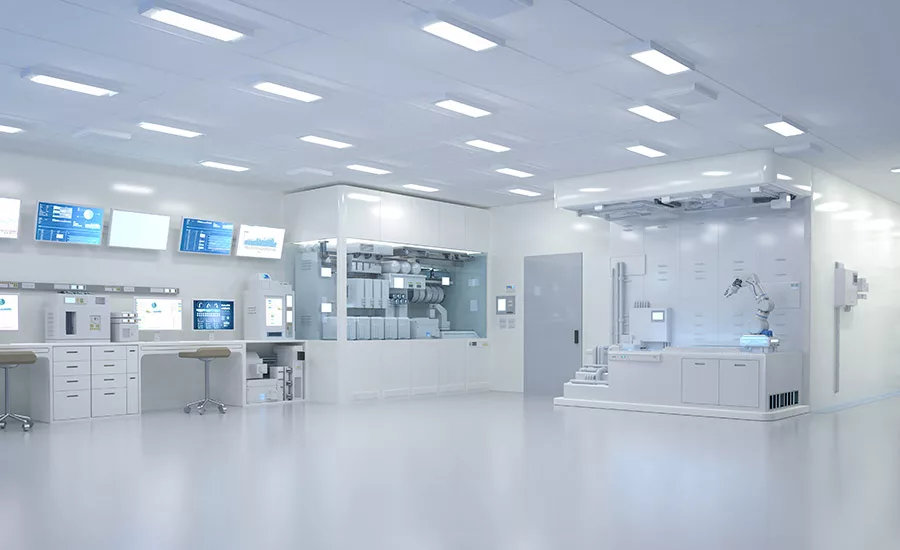
    Photo courtesy of PhonlamaiPhoto / iStock / Getty Images Plus

    May 21, 2025
    Alexánder Maroto
    Alexánder Maroto, MBA, is a chemical engineer based in Costa Rica. He has more than 25 years of experience in the food safety industry and is a member of the 3-A SSI Communications & Education Committee and a certified trainer for EHEDG.

    The integration of hygienic design principles with smart technology is fundamentally transforming dairy processing facilities across the Americas. As processors face intensifying demands for sustainability and efficiency, 3-A Sanitary Standards and Accepted Practices provide the framework for next-generation dairy facilities. These standards, covering everything from raw milk handling through finished product packaging, establish crucial baseline requirements for equipment design that minimize contamination risks while maximizing operational efficiency.

    Modern dairy facilities implementing 3-A Sanitary Standards and Accepted Practices are reporting dramatic improvements in key performance indicators. Processors using certified equipment have documented reductions of up to 25% in energy consumption (kWh/Ton) and water usage (m3/Ton). These gains come from both improved equipment design — such as optimized cleaning-in-place (CIP) systems and more efficient heat exchangers — and enhanced operational practices like automated cleaning cycles and smart maintenance scheduling.

    The next frontier: Smart hygiene management

    While hygienic design principles establish the foundation, integrated smart technologies are revolutionizing dairy processing safety protocols. Next-generation monitoring systems utilize sophisticated machine learning algorithms that simultaneously analyze up to 50 parameters during CIP operations. These systems process real-time data from multiple sources: conductivity sensors measuring cleaning solution strength, flow meters tracking turbulent flow requirements, temperature probes ensuring thermal compliance, and optical sensors monitoring soil removal rates. The technology automatically optimizes cleaning cycles for dairy products, adjusting parameters like circulation time, chemical concentration, and temperatures for specific product characteristics, like high-fat ice cream mixes to low-viscosity skim milk.

    Advanced sensor networks employ multiple detection technologies: electrochemical sensors measuring surface charge changes, optical systems using specialized wavelengths to detect protein residues, and impedance-based sensors monitoring bacterial adhesion. These systems can identify biofilm formation in heat exchangers and pipelines up to 72 hours before traditional testing methods would detect issues. When integrated with 3-A Symbol authorized equipment designs, these technologies create a comprehensive framework that not only maintains product safety but also optimizes resource usage through predictive analytics and real-time adjustments.

    Key developments reshaping dairy processing include:

    • Artificial intelligence (AI)-driven cleaning validation systems that have revolutionized sanitation efficiency. These platforms integrate data from multiple sources, including from adenosine triphosphate (ATP) monitoring systems and their sensors capable of detecting contamination levels as low as 1 RLU. A RLU is used to measure the amount of ATP on a surface, which can indicate the presence of biological residues. The more microorganisms on the surface, the more light will be emitted, and therefore a higher RLU reading. Multi-parameter turbidity sensors operating across multiple wavelengths and advanced conductivity meters with temperature compensation devices are commonly used. The systems automatically adjust CIP parameters based on real-time soil load analysis, product changeover requirements, and historical cleaning effectiveness data, resulting in water and chemical use reductions of 30 to 40% while maintaining or improving hygiene standards.
    • Comprehensive monitoring networks utilizing industrial internet of things (IoT) sensors that track more than 100 critical hygiene and performance parameters per processing line. These systems provide continuous oversight of key equipment functions: monitoring temperature distribution patterns across plate heat exchanger sections, tracking pressure differentials in membrane filtration systems down to 0.1 bar, measuring flow characteristics in mixing vessels, and monitoring seal integrity through advanced leak detection algorithms. The data integrates into centralized control systems that can automatically adjust processing parameters to maintain optimal conditions.
    • Smart maintenance systems combining multiple analytical approaches: vibration analysis capable of detecting misalignments as small as 0.1mm; thermal imaging systems that can identify temperature variations of 0.5°C; and performance metrics tracking minute changes in equipment efficiency. By analyzing patterns across thousands of data points, these systems have reduced unplanned downtime by 50 to 60% while preventing cross-contamination incidents through early detection of seal failures, gasket degradation, and alignment issues.

    Human expertise in the digital age

    The advancement of automation technology has transformed the role of human expertise in dairy processing. Modern dairy professionals must now master an expanded skill set that bridges traditional dairy science with digital systems engineering. This includes understanding complex milk protein chemistry and its impacts on fouling patterns while interpreting multi-parameter sensor data, managing advanced CIP programs that integrate both traditional cleaning principles and machine learning optimization, and maintaining product flow efficiency while leveraging predictive maintenance algorithms that process thousands of data points per second. Success requires dairy professionals who can seamlessly integrate traditional dairy science expertise — microbiology, chemistry, and engineering — with modern digital competencies like data analytics, automation systems management, and predictive modeling.

    A look ahead

    The dairy industry is navigating through a significant transformation as traditional hygienic design principles merge with digital innovations. The 3-A Summit on Hygienic Design, taking place May 6-8, 2025, at the Marriott Chicago-O’Hare, explored these developments through discussions on emerging technologies, regulatory compliance, and practical implementations in modern dairy processing.

    The future of dairy processing lies in the integration of proven hygienic design principles with emerging technologies. This combination enables processors to achieve more efficient, sustainable operations, while maintaining the highest standards of food safety. Success depends on viewing hygienic design not as an isolated component, but as part of an integrated system where design, technology, and human expertise converge to ensure safe, efficient dairy production.

    KEYWORDS: 3-A Sanitary Standards Artificial intelligence clean in place heat exchanger raw milk skim milk water conservation

    Share This Story

    Looking for a reprint of this article?
    From high-res PDFs to custom plaques, order your copy today!

    Foto alexander maroto ecolab 2025 (002)

    Alexánder Maroto, MBA, is a chemical engineer based in Costa Rica. He has more than 25 years of experience in the food safety industry and is a member of the 3-A SSI Communications & Education Committee and a certified trainer for EHEDG.

    Recommended Content

    JOIN TODAY
    to unlock your recommendations.

    Already have an account? Sign In

    • Lifeway Organic Kefir in different flavors inside a refrigerated grocery shelf.

      Dairy Foods names Lifeway Foods 2025 Processor of the Year

      Lifeway Foods donates $10,000 to wildfire victims,...
      Dairy Processor News
      By: Brian Berk
    • Two female farmers are standing in a field, holding a large milk canister, looking at several cows at dairy farm.

      Honoring Women Leaders Shaping the Dairy Industry

      For the fourth consecutive year, Dairy Foods is proud to...
      Innovation
      By: Barbara Harfmann
    • Main feature for State of the Industry with dairy products album cover with a gradient circular--patterned backgorund.

      2025 State of the Dairy Industry

      Welcome to the 2025 State of the Industry report. For...
      Ingredients for Dairy Processors
    Manage My Account
    • eMagazine Subscription
    • Dairy Foods News & Views Newsletter
    • Online Registration
    • Manage My Preferences
    • Subscription Customer Service
    • Connect with Dairy Foods

    More Videos

    Popular Stories

    Close up of man adding Greek yogurt while preparing healthy smoothie in the kitchen.

    An expert guide to dairy and GLP-1 receptor agonists

    Splash of milk in form of arm muscle. 3D illustration.

    Protein: The Powerhouse of Health and Wellness

    Grilling foods

    Dairy’s Enduring Moment: Why Resilience and Renewal Define Today’s Dairy Story

    Nominate your product for the 2026 Dairy Foods Product of the Year!


    MTF webinar


    Food Safety webinar

    Events

    July 8, 2026

    Membrane Purification Enables Clean Beauty Actives

    The global cosmetics market is undergoing a major shift towards the use of natural bioactive ingredients as consumers grow more skeptical of traditional formulations and demand greater transparency and sustainability.

    July 8, 2026

    Advancements in RO for Dairy Processing

    Reverse osmosis (RO) membranes are well established in dairy processing but continue to evolve to improve performance, reduce energy use, and increase operational longevity. 

    View All Submit An Event

    Products

    Probiotic Ice Cream: Science and Technology

    Probiotic Ice Cream: Science and Technology

    See More Products
    health and wellness


    plant of the year

    Related Articles

    • Membrane-Technology-Forum.jpg

      Membrane Technology Forum to address the future of dairy processing

      See More
    • membrane technology event

      Membrane Technology Forum showcases the future of dairy

      See More
    • Danone North America Building

      Hilmar, Danone and Chobani invest in the future of dairy

      See More

    Related Products

    See More Products
    • df emerging.jpg

      Emerging Dairy Processing Technologies: Opportunities for the Dairy Industry

    • dairy processing.jpg

      Dairy Processing and Quality Assurance, 2nd Edition

    • novel.jpg

      Novel Dairy Processing Technologies: Techniques, Management, and Energy Conservation

    See More Products

    Events

    View AllSubmit An Event
    • July 17, 2025

      The Future of Dairy Processing: Exploring the Cost-Effectiveness of Next-Generation Reverse Osmosis Sanitary Membranes

      On-Demand Advances in milk processing and changing customer preferences are driving growth in the dairy market. Today, dairy processors face challenges in achieving energy savings while also improving yields without compromising performance. Membrane filtration offers a versatile solution, and advanced technology may be necessary depending on the desired outcome.
    View AllSubmit An Event

    Related Directories

    • SMI-Dairy Processing Div.

    • Dairy Farmers of America

      Dairy Farmers of America (DFA) is a farmer-owned leading global dairy cooperative focusing on sustainability, innovation, community, and the future of family dairies. While supporting and serving 9,000 farmer-owners, DFA manufactures nearly every form, function, and flavor of high-quality nutritional dairy products, including fluid milk, cheese, butter, ice cream, dairy ingredients, and more. For more information, please visit dfamilk.com.
    • Pride of Main Street Dairy LLC

    ×

    Stay ahead of the curve. Unlock a dose of cutting-edge insights.

    Receive our premium content directly to your inbox.

    SIGN-UP TODAY
    • RESOURCES
      • Advertise
      • Contact Us
      • Directories
      • Store
      • Want More
    • SIGN UP TODAY
      • Create Account
      • eMagazine
      • Newsletter
      • Customer Service
      • Manage Preferences
    • SERVICES
      • Marketing Services
      • Reprints
      • Market Research
      • List Rental
      • Survey/Respondent Access
    • STAY CONNECTED
      • LinkedIn
      • Facebook
      • YouTube
      • X (Twitter)
    • PRIVACY
      • PRIVACY POLICY
      • TERMS & CONDITIONS
      • DO NOT SELL MY INFORMATION
      • PRIVACY REQUEST
      • ACCESSIBILITY

    Copyright ©2026. All Rights Reserved BNP Media, Inc. and BNP Media II, LLC.

    Design, CMS, Hosting & Web Development :: ePublishing