Dairy Foods logo
search
cart
facebook twitter linkedin youtube
  • Sign In
  • Create Account
  • Sign Out
  • My Account
Dairy Foods logo
  • NEWS
    • DAIRY REGULATIONS
  • PRODUCTS
    • New Products
    • Butter
    • Cheese
    • Cultured Dairy
    • Frozen Desserts
    • Ice Cream/Novelties
    • Milk
    • Non-Dairy Beverages
    • Sales Data
    • Whey, Milk Powder
    • Dairy Alternatives
  • INGREDIENTS
    • Cocoa
    • Colors/Flavors
    • Cultures/Enzymes
    • Fiber
    • Gums, Stabilizers, and Texturants
    • Inclusions
    • Omegas/Lipids
    • Prebiotics
    • Probiotics
    • Sweeteners
    • Other
  • OPERATIONS
    • SUSTAINABILITY
    • Equipment
    • Processing
    • Packaging
    • Food Safety & Sanitation
    • Membrane Technology
  • MEDIA
    • Dairy Foods TV
    • Podcasts
    • Webinars
  • DIRECTORIES
    • Buyers Guide
    • Dairy Plants USA
  • MEMBRANE FORUM
  • MORE
    • Associations
    • Dairy Foods' News & Views Newsletter
    • Blogs
    • Case Studies
    • Classifieds
    • Custom Content & Marketing Services
    • Dairy Foods Store
    • Market Research
    • Sponsor Insights
    • Supplier Spotlights
    • Tradeshows and Events
    • Strategy Guides
  • AWARDS
    • Dairy Plant of the Year Award
    • Breakthrough Award
    • Dairy Processor of the Year
  • EMAGAZINE
    • eMagazines
    • Archive Issues
    • Contact
    • Advertise
    • SIGN UP!
    • Columnists
    • Dairy 100
    • State of the Industry Report
    Dairy Foods & BeveragesMembrane TechnologyMilk

    Membrane Technologies

    How membrane systems can remove lactose and retain value

    GEA Group explores how advances in ultrafiltration and nanofiltration enable efficient lactose removal, improve energy use and unlock high-value byproducts.
    By Sammy Bredar
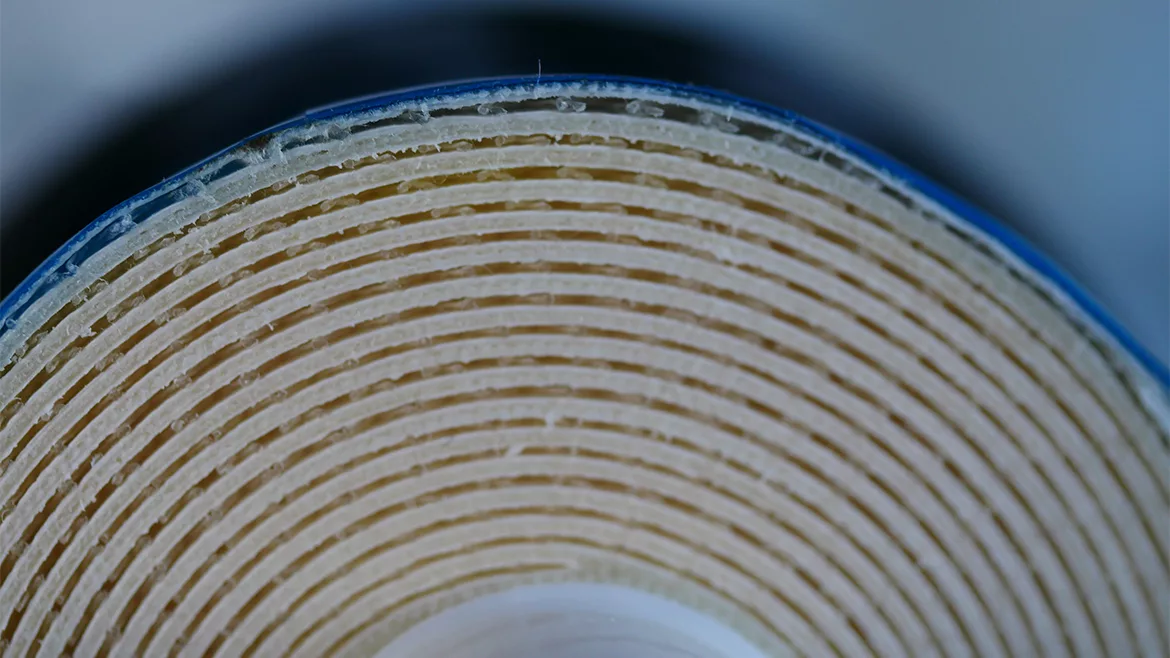
    Membrane systems enable dairy producers to remove lactose and retain value
    Photo courtesy of Supersmario / iStock / Getty Images Plus
    April 23, 2026

    Consumer demand for lactose-free and lactose-reduced dairy products continues to grow, leading processors to turn to advanced membrane filtration technologies to remove lactose while preserving valuable milk components. According to Global Growth Insights, the global lactose-free dairy products market is projected to reach about $12.5 billion in 2026, growing toward $18.9 billion by 2035. This robust growth is being propelled by lactose intolerance among consumers, health-focused consumption and product innovation.

    The broader membrane filtration sector is also expanding rapidly; the global market was valued at $17.4 billion in 2024 and is projected to reach nearly $33 billion by 2032, according to King Research. This growth reflects strong investment in resource-efficient processing across food and beverages. For dairy processors, membranes offer a way to remove lactose while minimizing protein losses and maintaining the functionality of the final product.

    Materials and system design

    According to Shanti Bhushan, GEA Group principal process development engineer, advances in membrane materials and system design are significantly improving the efficiency and economics of lactose removal across a wide range of dairy processes. These include milk and whey protein concentrates, lactose-reduced and lactose-free milks, and fermented products like Greek yogurt, cream cheese and skyr.

    Modern ultrafiltration and microfiltration membranes are increasingly engineered with hydrophilic surfaces and specialized polymer chemistries that reduce fouling and improve flux recovery. These improvements allow processors to operate systems for longer periods while maintaining higher throughput.
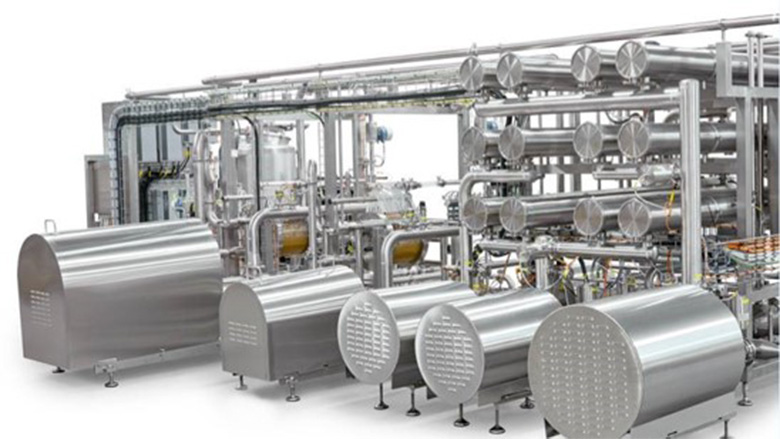
    Hybrid membrane configuration for concentration of yogurt.

    Hybrid membrane configuration for concentration of yogurt. Courtesy of GEA Group

    Bhushan notes that advances in polymer chemistry, including zwitterionic and charged membrane materials, as well as ceramic options, further enhance durability and separation performance across demanding dairy processes.

    At the plant level, processors are also optimizing system design. Multistage diafiltration strategies, for example, allow lactose and minerals to move into the permeate stream while retaining proteins in the concentrate. This approach helps reduce water use while improving the recovery of valuable dairy solids.

    Membrane configuration

    Better control over protein retention is also delivering economic benefits. When membranes are properly selected and operated within the right pressure and concentration ranges, unintended protein losses to the permeate stream can be minimized. “By minimizing unintended protein passage to the permeate and tightening mass‑balance control, processors can consistently hit specification and lower waste,” Bhushan explains.

    Membrane configuration is also evolving to support high-viscosity dairy streams. As products like Greek yogurt and skyr become more concentrated, viscosity rises sharply, which can reduce filtration efficiency if systems are not properly designed. To address this, many plants use hybrid configurations that combine spiral-wound membranes with plate-and-frame or tubular modules. Spiral-wound elements provide high membrane surface area during early stages when viscosity is low, while tubular systems can better handle thicker streams later in the process.

    Even with these improvements, scaling lactose removal systems requires careful process control. Fouling and mineral management remain among the most common operational challenges, particularly when concentrating lactose-rich streams.

    Bhushan explains that nanofiltration is frequently used downstream of ultrafiltration permeate streams to concentrate lactose while allowing certain salts to pass through the membrane. During this process, however, divalent minerals such as calcium and magnesium can accumulate alongside lactose, increasing risk of scaling.
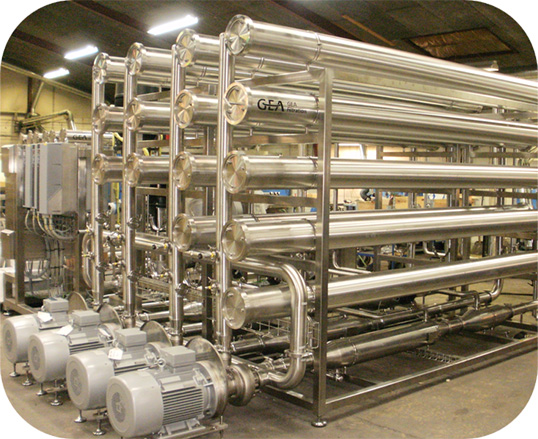
    Spiral wound membrane configuration.

    Spiral wound membrane configuration. Courtesy of GEA Group

    “Mitigation relies on selecting NF membranes with suitable lactose rejection and ion selectivity, limiting maximum solids concentration and operating at cold temperatures,” Bhushan says. He notes that diafiltration can also help selectively recover sodium and potassium in the permeate while keeping hardness under control.

    In some cases, processors may use small additions of processing aids such as citric acid or carbon dioxide to reduce mineral scaling and improve membrane cleanability. These strategies must be carefully validated, though, to ensure regulatory compliance and avoid unwanted impacts on flavor.

    Process consistency and product quality

    Process control is equally critical to maintain consistent lactose removal while protecting product quality. Operators must carefully monitor key metrics such as transmembrane pressure (TMP), temperature, solids concentration and conductivity throughout the system. “Tight TMP control during ultrafiltration and microfiltration prevents excessive fouling while maintaining high average flux,” Bhushan says. “Gradual increases signal concentration polarization, while sharp rises demand immediate clean-in-place intervention.”

    Inline monitoring tools are becoming increasingly valuable for maintaining process stability. Technologies such as refractometers and near-infrared spectroscopy allow processors to track solids and protein concentrations in real time, improving mass balance control and helping operators maintain consistent product specifications, Bhushan says.

    The impact of lactose removal extends beyond the filtration system itself. Adjusting lactose levels can affect downstream processes including fermentation, formulation and whey utilization. For example, direct enzymatic hydrolysis of lactose into glucose and galactose can significantly increase sweetness and accelerate Maillard browning reactions during high-heat processing.

    Bhushan notes that, for this reason, many processors prefer partial lactose removal using membrane technologies to maintain a more balanced flavor profile. He states that partial lactose removal using membranes delivers a more milk-like sweetness balance while minimizing thermal damage and extending shelf life.

    In cheese production, ultrafiltration enables processors to concentrate casein and whey proteins, improving protein recovery and overall yield. Microfiltration can also generate native whey streams that are valued for ingredient applications, Bhushan says.

    Ultrafiltration also contributes to sustainability as permeates can serve as feedstocks for lactose crystallization or sweetener production, while microfiltration permeate streams free of rennet and fat are increasingly used in specialty and beverage applications across the industry.

    These advances in membrane technology are reshaping how processors approach dairy ingredients. As processors continue expanding lactose-free product lines, membrane systems are playing a growing role in helping plants improve efficiency while recovering more value from milk components.

    KEYWORDS: cream cheese Greek yogurt lactose lactose intolerance lactose-free membrane applications membrane filtration solutions protein skyr whey protein

    Share This Story

    Looking for a reprint of this article?
    From high-res PDFs to custom plaques, order your copy today!

    Sbredar headshot

    Sammy Bredar is Group Editor of The National Provisioner and Dairy Foods. She covers the meat and dairy processing industries while leading editorial coverage of membrane technology across both publications. Bredar serves on the Board of Directors of the Women's Meat Industry Network and earned a bachelor's degree in English literature from Ball State University.

    Recommended Content

    JOIN TODAY
    to unlock your recommendations.

    Already have an account? Sign In

    • Lifeway Organic Kefir in different flavors inside a refrigerated grocery shelf.

      Dairy Foods names Lifeway Foods 2025 Processor of the Year

      Lifeway Foods donates $10,000 to wildfire victims,...
      Cultured Dairy
      By: Brian Berk
    • Two female farmers are standing in a field, holding a large milk canister, looking at several cows at dairy farm.

      Honoring Women Leaders Shaping the Dairy Industry

      For the fourth consecutive year, Dairy Foods is proud to...
      Innovation
      By: Barbara Harfmann
    • Main feature for State of the Industry with dairy products album cover with a gradient circular--patterned backgorund.

      2025 State of the Dairy Industry

      Welcome to the 2025 State of the Industry report. For...
      Sales Data
    Manage My Account
    • eMagazine Subscription
    • Dairy Foods News & Views Newsletter
    • Online Registration
    • Manage My Preferences
    • Subscription Customer Service
    • Connect with Dairy Foods

    More Videos

    Sponsored Content

    Sponsored Content is a special paid section where industry companies provide high quality, objective, non-commercial content around topics of interest to the Dairy Foods audience. All Sponsored Content is supplied by the advertising company and any opinions expressed in this article are those of the author and not necessarily reflect the views of Dairy Foods or its parent company, BNP Media. Interested in participating in our Sponsored Content section? Contact your local rep!

       close
    • Xylem’s largest BVF reactor at a dairy farm
      Sponsored byXylem

      Preparing water systems for dairy growth in 2026

    Popular Stories

    Splash of milk in form of arm muscle. 3D illustration.

    Protein: The Powerhouse of Health and Wellness

    Vanila and blueberry ice cream with lavender on blue background.

    Is ice cream a healthy food?

    Target debuts new milks

    Target debuts Good & Gather Ultra-filtered milk

    Nominate your product for the 2026 Dairy Foods Product of the Year!


    Food Safety webinar

    Events

    July 8, 2026

    Membrane Purification Enables Clean Beauty Actives

    The global cosmetics market is undergoing a major shift towards the use of natural bioactive ingredients as consumers grow more skeptical of traditional formulations and demand greater transparency and sustainability.

    July 22, 2026

    Food Safety Today: What Dairy Processors Need to Know

    Join the husband-and-wife team, Rich and Heather Draper, of the Ice Cream Club Inc., who have implemented food safety practices for more than 40 years, for this fascinating and educational webinar.

    View All Submit An Event

    Products

    Probiotic Ice Cream: Science and Technology

    Probiotic Ice Cream: Science and Technology

    See More Products
    health and wellness


    plant of the year

    Related Articles

    • TetraPakLogo

      How membrane filtration can transform milk into high-value ingredients

      See More
    • Milk being poured from a glass container into a glass, the background is a teal color.

      How dairy processors can reduce membrane fouling and improve filtration performance

      See More
    • Ultrafiltration element lines from Koch Membrane Systems

      See More

    Related Products

    See More Products
    • public role.jpg

      The Public Role In The Dairy Economy: Why And How Governments Intervene In The Milk Business

    See More Products

    Events

    View AllSubmit An Event
    • November 11, 2025

      Membranes: Innovative Approaches to Boosting Production

      On-Demand This session will explore how membrane systems work and how cleaning and sanitation can unlock new levels of production efficiency. The discussion will cover strategies to optimize operations, reduce downtime, and enhance sustainability. Expert presenter Rachel McGiness will share innovative approaches and real-world applications, offering practical insights to support improved performance. 
    View AllSubmit An Event

    Related Directories

    • Toray Membrane USA Inc.

      Toray Membrane USA offers a suite of membrane products NF (Nanofiltration) and RO (Reverse Osmosis) membrane elements in sanitary design engineered for dairy and hygienic purified water (hot-water) applications.
    • Veolia

      For over 50 years, Veolia has been a trusted expert in the dairy industry, providing Optum Reverse Osmosis and Nanofiltration membranes for whey, protein, sugar, and lactose processing. Our energy-efficient, sanitary designs reduce costs up to 25%, minimize plastic waste, improve ergonomics, and deliver superior yields while advancing environmental sustainability.
    ×

    Stay ahead of the curve. Unlock a dose of cutting-edge insights.

    Receive our premium content directly to your inbox.

    SIGN-UP TODAY
    • RESOURCES
      • Advertise
      • Contact Us
      • Directories
      • Store
      • Want More
    • SIGN UP TODAY
      • Create Account
      • eMagazine
      • Newsletter
      • Customer Service
      • Manage Preferences
    • SERVICES
      • Marketing Services
      • Reprints
      • Market Research
      • List Rental
      • Survey/Respondent Access
    • STAY CONNECTED
      • LinkedIn
      • Facebook
      • YouTube
      • X (Twitter)
    • PRIVACY
      • PRIVACY POLICY
      • TERMS & CONDITIONS
      • DO NOT SELL MY INFORMATION
      • PRIVACY REQUEST
      • ACCESSIBILITY

    Copyright ©2026. All Rights Reserved BNP Media, Inc. and BNP Media II, LLC.

    Design, CMS, Hosting & Web Development :: ePublishing