Ingredient Technologies
Sugar reduction is dairy’s “sweet” spot
Products that are low in sugar and high in protein are in huge demand
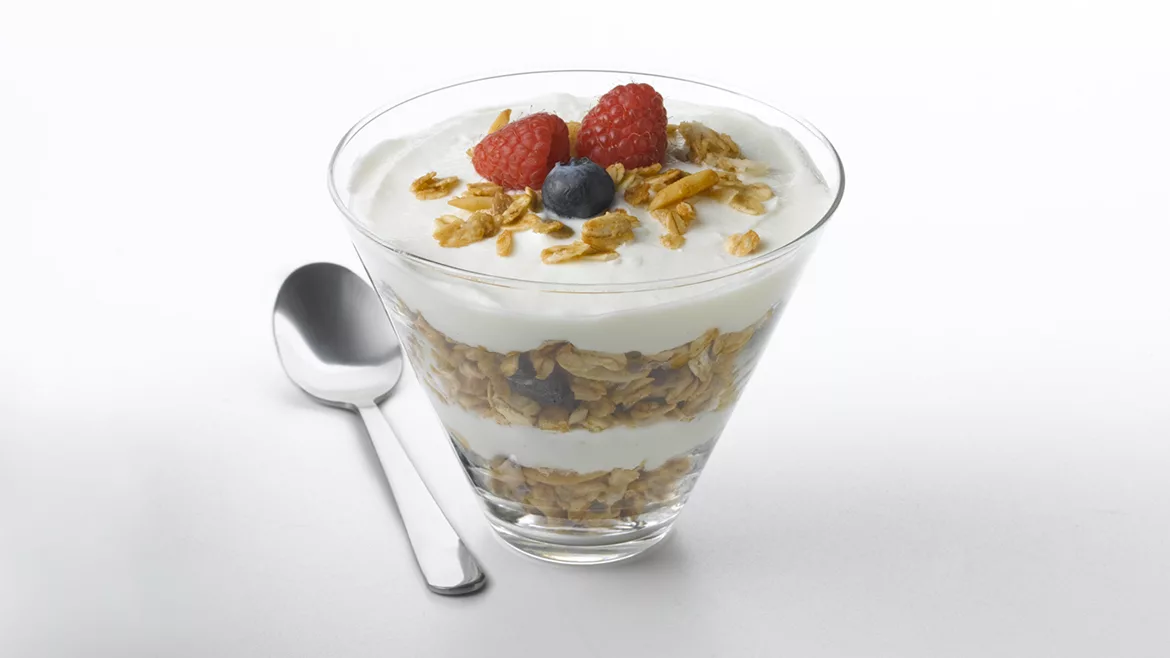
Forty percent of consumers state they are actively avoiding sugar, according to Cargill data.
On Jan. 7, U.S. Department of Health and Human Services Secretary Robert F. Kennedy, Jr. and U.S. Department of Agriculture Secretary Brooke Rollins released the Dietary Guidelines for Americans, 2025-2030. Sugar and sugar reduction definitely took center stage among these guidelines.
"American households must prioritize whole, nutrient-dense foods — protein, dairy, vegetables, fruits, healthy fats, and whole grains — and dramatically reduce highly processed foods. This is how we ‘Make America Healthy Again,'" Kennedy noted in a statement.
The report advises Americans to prioritize protein at every meal; consume full-fat dairy with no added sugars; and limit highly processed foods, added sugars, and artificial additives. Hence, it is perhaps fair to say that the need for reduced sugar products has never been higher and will likely remain so for the foreseeable future.
"The new guidelines are stricter than previous approaches, stating that no more than 10 grams of added sugar should be consumed at any meal. And even sugar substitutes that offer no nutritive value should not be included in diets for adults and children. In many dairy products, sweeteners, both natural and artificial, are used. According to Mintel's ‘Better for you Eating Trends' for the US (January 2025), manufacturer's emphasis should be on natural sugar reduction to promote their products best," says Kyle Krause, regional product manager, Functional Fibers and Carbohydrates, North America, BENEO, Parsippany, N.J.
According to Cargill's latest IngredienTracker data, "without prompting, 40% of consumers say they are actively avoiding sugar. More than one-third (37%) report they are very or extremely likely to check labels specifically to avoid sugar. At the same time, skepticism toward artificial sweeteners is rising, prompting brands to rethink how they deliver sweetness," states Emily Berg, marketing manager, Cargill, Wayzata, Minn.
Dairy is in a sweet spot to meet consumer needs, notes Malcolm Greenberg, chief sweetener specialist at Adallen Nutrition, East Windsor, N.J. "Being that dairy products naturally contain little to no added sugar, they offer valuable reformulation opportunities that leverage dairy proteins and fats to maintain taste and texture with less sweetness. Their high nutrient density also allows dairy foods to replace more sugar-laden options while supporting overall dietary quality," he states. "Fermented dairy products further reduce natural sugar content through the fermentation process. Additionally, the inherent creaminess and flavor of dairy help satisfy consumers without the need for added sugar."
"The focus on reducing added sugars while increasing protein content creates a substantial opportunity for full-fat dairy formats, such as coffee creamers, ice cream or yogurts. Full-fat dairy already delivers smooth and rich mouthfeel, minimizing the need to rebuild texture when replacing or reducing sugar in these applications," Stuart Braid, director of technical solutions, ADM, maintains. "This means the indulgent creamy textures expected of dairy products can still be achieved while meeting sugar reduction objectives with fewer bulking agents. Plus, higher fat content makes emulsions easier for formulators to manage in these applications since the majority of the desired texture comes from the dairy fat."
Image courtesy of Cargill
Reduced sugar and full-fat dairy products can also align with consumer demand for shorter ingredient lists derived from natural sources, Braid stresses. "A system of ingredients, including stevia derived from the leaf, plant-derived hydrocolloids and starches work well in full-fat dairy to rebalance the sensory experience and achieve meaningful sugar reduction, labeling preferences and cost targets," he explains.
But to continue to meet consumer needs, plenty of innovation must take center stage. Thankfully, that is happening, says Berg. "Categories like yogurt and dairy-based beverages are seeing some of the strongest growth in lower-sugar formulations, particularly for those containing non-artificial low- and no-calorie (LNC) sweeteners such as stevia," she reports. "This reflects both growing consumer interest and manufacturers' ability to deliver delicious taste with less sugar."
The huge GLP-1 trend
Consumers using GLP-1s typically seek foods that are high in protein, nutrient dense, easy to digest, and low in added sugars, since these products help manage appetite, maintain muscle mass, and avoid "empty calorie" intake, suggests Greenberg. "As a result, dairy fits exceptionally well within this trend — offering natural protein, calcium, and satiety with minimal added sugar."
According to "Adapting to the New Consumer," an educational session that took place on Jan. 28 at IDFA Dairy Forum that was presented by McKinsey & Co., 4% of U.S. consumers currently take GLP-1 receptor agonists. McKinsey expects that number to increase to between 9% and 12% of Americans by 2030. Hence, it is likely more people will be following health and wellness trends in the future, including a low-sugar, high-protein diet.
Braid cites the ADM "Outside Voice, Anti-Obesity Medication Users Landscape Report, 2025" when he reveals that consumers taking anti-obesity mediations (AOMs), like GLP-1 receptor agonists, have distinct nutritional needs and preferences.
"For example, 73% of AOM users say portion control is more important to them now than before starting GLP-1 medications. As they seek smaller portion sizes, these consumers are also closely examining product labels to ensure they're getting the most out of what they're consuming," he reports. "Nearly 70% of AOM users say nutritional value is now more important to them, and they're paying attention to factors like added sugar content (64%), calories (60%) and total carbohydrates (56%), as well as protein (55%) and fiber content (55%)."
The primary reason people start taking GLP-1 medications is for weight management/loss (62%), the ADM report concludes, with other reasons including improving certain health conditions, such as blood pressure or managing diabetes. "There is compelling demand for tailored products designed to meet the unique needs of GLP-1 users. In fact, 80% of consumers taking AOMs are willing to pay more for food and beverage products that provide added health benefits, and 67% state GLP-1 friendly attributes are now more important to them. For the dairy category, this opens the door to new innovation, such as portion-controlled yogurt beverages with reduced sugar content and increased protein and fiber," Braid asserts.
Image courtesy of Cargill
Cargill's Berg believes the opportunity lies in delivering products that pair meaningful sugar reduction with the wholesome, indulgent experience consumers expect. "For GLP-1 users specifically, nutrient density is especially important. Many are prioritizing protein and fiber as they look to stay full longer and maintain balanced nutrition," she relays. "Dairy naturally provides high-quality protein, and we're helping brands go further by adding fiber as well."
Beyond weight management
The weight loss trend can certainly drive robust growth for dairy products offering low sugar and high protein in the future. However, we should not forget reduced sugar can carry other benefits as well. Diabetes and gut health are two places where reduced sugar could have an impact.
"From a metabolic perspective, reducing added sugar can help support healthier blood sugar responses, a key consideration for individuals managing or aiming to reduce their risk for type‑2 diabetes," Berg affirms. "In many dairy applications, sugar reduction also creates an opportunity to add functional ingredients like soluble fibers, which can contribute to improved digestive health. Depending on the type and level used, fibers may provide prebiotic benefits, supporting the growth of beneficial gut bacteria."
Reducing sugar intake delivers meaningful health benefits, particularly in supporting better management of type 2 diabetes by improving blood-glucose control, reducing insulin spikes, and contributing to healthier weight levels, Greenberg asserts. "Dairy products that offer natural sweetness without added sugars align well with these needs." he says. "Lower-sugar diets also support improved gut health, as excess added sugar can disrupt the microbiome, while low-sugar fermented dairy products like yogurt and kefir help beneficial bacteria thrive and promote digestive balance. Together, these advantages position reduced-sugar dairy as a strong contributor to metabolic health, gut wellness, and overall healthy lifestyle patterns."
The American Diabetes Association (ADA) recommends reducing added sugar intake to support overall metabolic health, stresses Maria Brandt, global product director for Ireland-based Kerry. "Dairy offers a unique advantage here because the same technology used to reduce sugar, lactase enzymes, also addresses gut health. It is estimated that 68% of the global population cannot properly digest lactose. By using lactase enzymes like NOLA Fit, we break down lactose into simpler sugars (glucose and galactose). This naturally increases the sweetness perception without adding calories, allowing for a lower glycemic load while making dairy nutrition accessible to those with lactose intolerance."
Does it taste good?
Although the evidence suggests reduced-sugar products have a long runway for growth, they still have to taste good for consumers to continue to seek these benefits. Formulation of such products — especially when also containing significant amounts of protein — can be daunting.
"Reducing sugar in dairy products requires a true systems approach to formulation. It's not as simple as swapping one ingredient for another," states Allie Schneider, food scientist, Cargill. "In dairy, factors such as fat and protein content and cold serving temperatures can mask sweetness and mute flavor, making sugar reduction especially challenging."
Success in dairy comes from understanding and balancing all those variables. "Building on that complexity, mouthfeel, bulking, sweetness intensity, sweetness onset and linger are all impacted when we start reducing sugar in a dairy formula," Schneider maintains. "As a result, sugar reduction is rarely, if ever, a one-for-one replacement. That's why Cargill offers a portfolio of sugar-reduction tools that includes sweeteners like stevia, erythritol and allulose, along with other supporting ingredients like fibers, texturizers and emulsifiers."
Greenberg points to many ingredients merging as effective sugar replacers in dairy. "Common options include natural high-intensity sweeteners like monk fruit and stevia, fermentable fibers such as inulin that add mild sweetness and body, erythritol and allulose to add low calorie/zero calorie bulking, and functional dairy ingredients (like milk proteins and dairy fats) that help maintain creaminess and mouthfeel when sugar is reduced," he notes.
ADM's Replace Rebalance Rebuild method, which replaces sweetness, "rebalances flavor and rebuilds functionality, combines our vast ingredients library and technical expertise to find the best system that delivers on sugar reduction targets, as well as taste, texture, clean labels and cost," Braid reveals. "Our portfolio includes innovative stevia solutions, allulose, agave, monk frit and invert or liquid cane sugar, and more. Stevia provides high-potency sweetness derived from a plant-based ingredient, while allulose delivers sugar-like taste and functionality with fewer calories. When used together — particularly in low-sugar ice creams — our SweetRight Stevia Edge solutions and SweetRight allulose balance taste and help reduce crystallization to maintain a smooth, creamy texture."
Image courtesy of Adallen Nutrition
At BENEO, the company partners with food manufacturers to create appealing products using functional ingredients like chicory root fibers, isomalt, and Palatinose, ingredients that help bridge the gap between indulgence and health. In general, BENEO's solutions combine an improved nutritional value with a tasty and indulgent experience to help support consumers who are seeking a healthier path on their weight loss journey and to manage diabetes, Krause says.
He observes sugar replacements in the following way:
- Palatinose (Isomaltulose) is derived from sugar beet and provides full carbohydrate energy (4kcal/g) in a more balanced way. Thanks to its low glycemic profile, it helps provide sustained energy while maintaining balanced blood glucose levels. Additionally, this functional carbohydrate offers metabolic support by improving fat-burning. Palatinose can be used in yogurts, ice cream, fruit preparations, and even hot chocolate.
- Isomalt is a sugar alcohol made from sugar beet. With 2kcal/g, it delivers half the calories of sucrose. With a rounded sweetness profile similar to sucrose, isomalt works great in combination with natural and artificial sweeteners to reduce or remove sugar entirely in formulations. For example, sugar-reduced ice cream delivers a delicate, mild sweetness with only half the calories of sucrose.
- Although they are not sweeteners, BENEO's prebiotic functional fibers inulin and oligofructose from chicory root provide an excellent choice for reducing sugar in a wide array of beverages, including dairy and dairy alternatives. Derived from chicory root, they have a naturally sweet taste. Additionally, the prebiotic fibers are non-GMO, low-calorie, and low-glycemic ingredients. While the natural sweetness allows food manufacturers to keep added sugar to a minimum, its nutritional fiber enrichment and prebiotic effect are additional benefits regarding digestive health.
Yearning for growth
Dairy processors seeking reduced-sugar solutions can first look at yogurt and cultured dairy, lactose-free/ultra-filtered milks, and functional protein beverages, "with momentum building in reduced-sugar frozen treats and dairy beverages," Greenberg suggests. "Across categories, consumers are clearly demanding lower sugar without sacrificing taste or nutrition, driving formulation and marketing innovation."
BENEO's Krause cites Mintel January 2025 data when he affirms: "The intersection of reduced sugar with other health trends — such as high protein, digestive health, and blood sugar management — drives growth. Products that combine these attributes, especially those targeting GLP-1 users and wellness-oriented consumers, are gaining traction."
Image courtesy of Kerry
ADM's Braid sees key areas including full-fat dairy, yogurts, coffee creamers and ice cream, "which are categories that consumers use daily and still expect indulgence from, especially in moments like adding creamer to morning coffee or treating oneself to ice cream for dessert. At the same time, more consumers look to lead active lifestyles and incorporate more protein content into their daily diets, putting an emphasis on convenient and delicious high-protein formats."
Similarly, cottage cheese continues to "explode in popularity as consumers look to maximize their protein intake," Braid affirms. "While plain cottage cheese remains strong in the market, there is surging opportunity around sweet formats and fruit inclusions. Formulation innovation, especially fruit preparations, also unlocks opportunity across these segments.

Reduced-sugar dairy products need to replicate indulgent experiences of full-sugar dairy to be successful, states Emily Berg, Cargill. Photo courtesy of Cargill
"Fruit-on-the-bottom and fruit-stirred yogurts, as well as fruit inclusions in cottage cheese, hold much of the added sugars in these products. Reduced-sugar fruit systems leveraging solutions like our SweetRight Reduced Sugar Glucose Syrup (RSGS) are set to bring forth decadent reduced-sugar innovations in the dairy aisle."
Brandt is seeing the most significant growth in multi-claim, high-protein formats, particularly in high-protein drinks and flavored milks. "What's noteworthy is that this shift is no longer limited to health-focused or nutrition brands. Today, dairy players across the board are launching high-protein, reduced- or zero-sugar flavored milk products, driving strong category growth as consumers increasingly prioritize health, satiety and functionality in their daily choices. This same dynamic is reflected in the U.S. yogurt market, where protein-forward, lower-sugar offerings continue to gain traction and influence broader dairy innovation, reinforcing how consumers are making more intentional, health-driven choices across dairy categories," the Kerry executive states.
Cargill's Berg cites Nielsen IQ data when adding, "yogurts sweetened with non-artificial, low- and no-calorie options like stevia and allulose are seeing the fastest growth, up 28% on a unit basis in the last year. In contrast, yogurts formulated with artificial sweeteners are seeing declines, down 10% over that same period. Similarly, ready-to-drink protein drinks and powders sweetened with non-artificial sweeteners are growing at nearly twice the rate of the category overall," she states. "We also see emerging opportunities in more indulgent spaces, including reduced sugar, high-protein frozen desserts. Even consumers following weight-loss programs still enjoy the occasional treat. What consumers won't compromise on, however, is eating experience."
Berg suggests that for dairy processors to succeed, "reduced-sugar dairy products must deliver similar indulgent experiences as their full-sugar counterparts. That's why we continue to invest research and development resources to expand our sugar reduction toolkit and help brands innovate to deliver on taste, texture and delight."
In the future, Berg concludes fermentation is a critical pathway for producing additional sweeteners at commercial scale. "Our EverSweet stevia sweetener has already demonstrated how this resource-smart approach can deliver reliable supply, high purity and affordability. We know we've only scratched the surface of what it can do to expand ingredient sourcing options and help brands meet evolving consumer expectations."
Looking for a reprint of this article?
From high-res PDFs to custom plaques, order your copy today!