Conquer contaminants in dairy food and beverage processing
Dairy processors could enhance food safety via implementation of increasingly sophisticated detection and inspection systems.
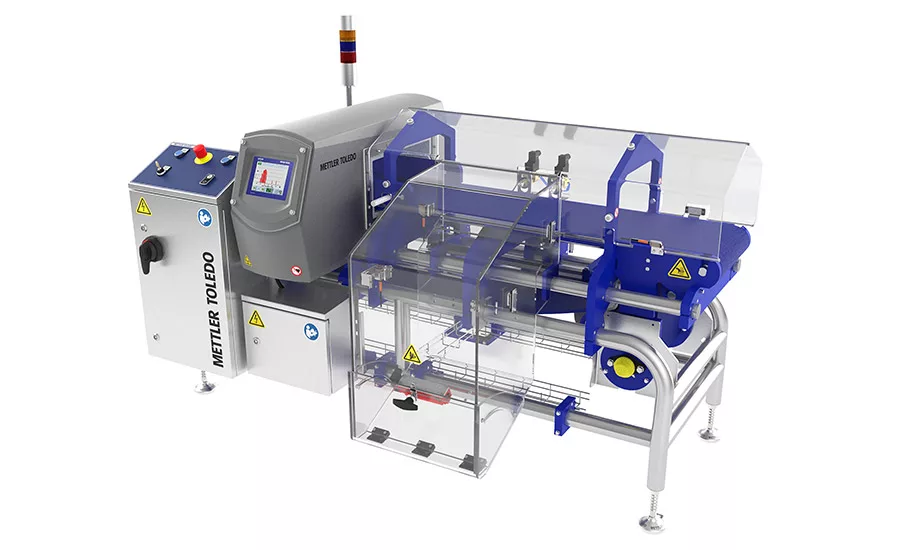
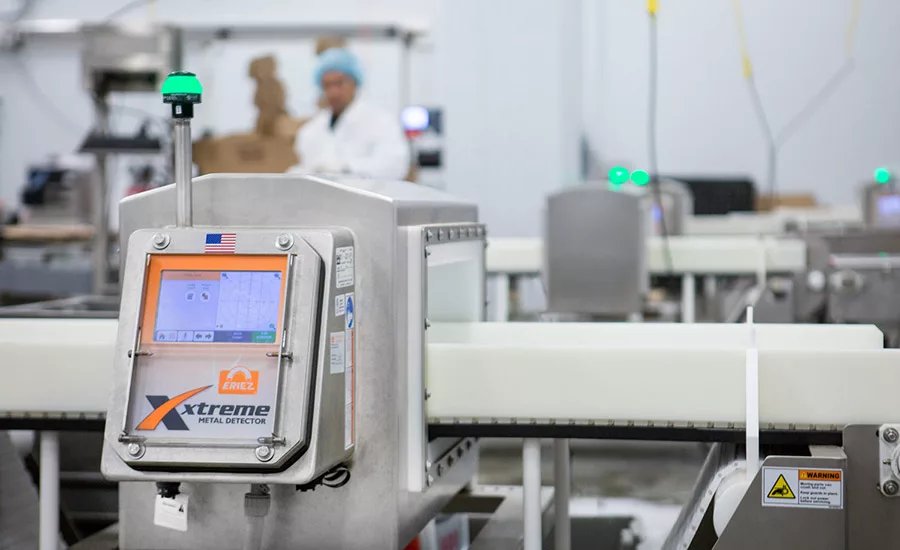
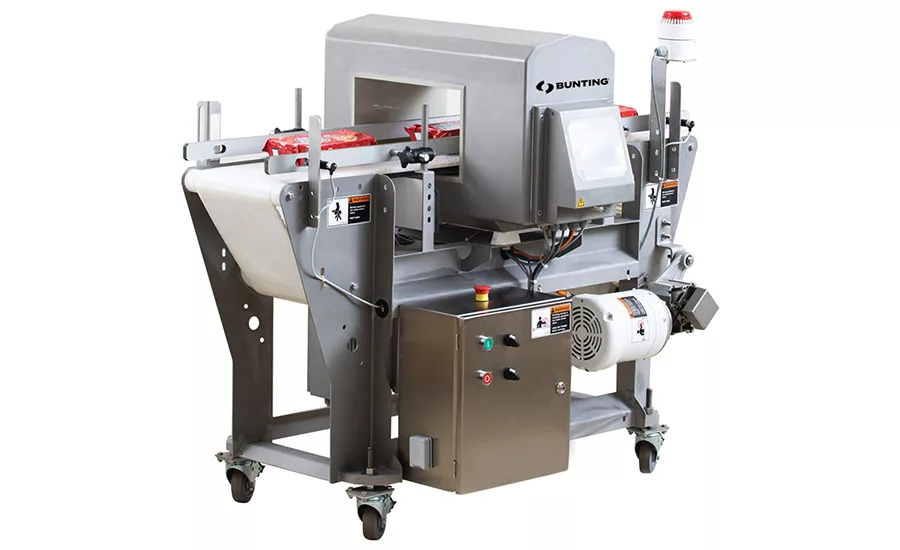
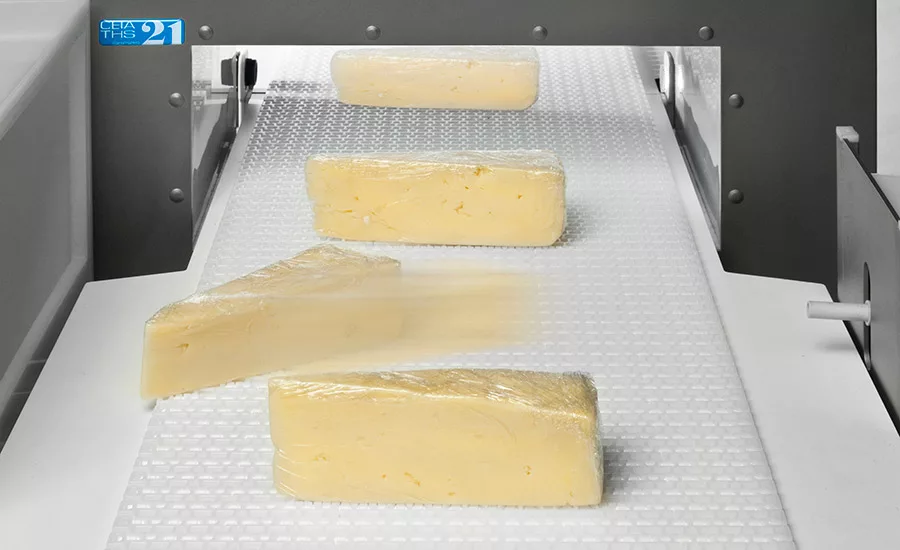
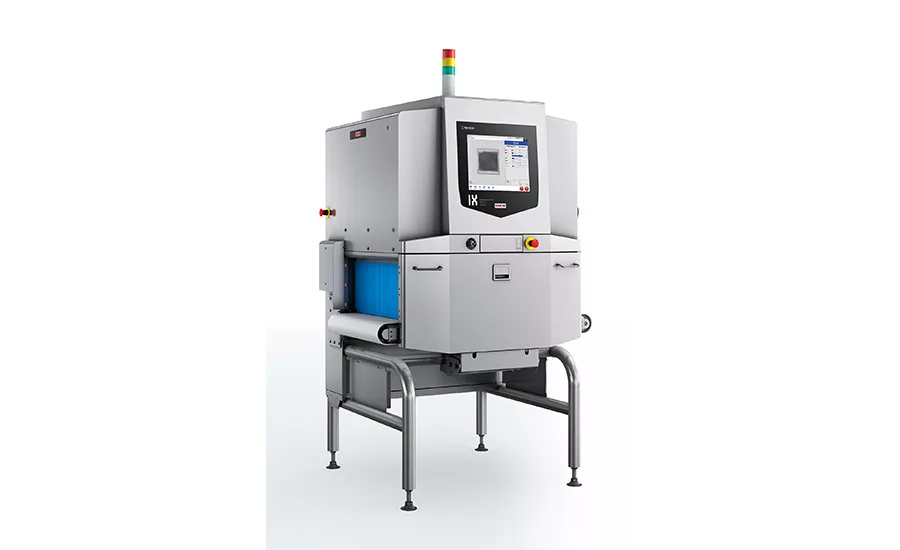
While operators have a wide range of technology options for detecting foreign objects and guarding against potential pathogens during processing and packaging, implementing and maintaining the optimal equipment can be challenging.
X-ray scanners, metal detectors and other inspection systems are critical for pinpointing contaminants that can originate from a plethora of sources, including metals that break from machinery, wire from sieve nets and glass from light bulbs, says Heli Mehtälä, marketing coordinator for Mekitec Group, an Oulu, Finland-based supplier of X-ray systems.
The technologies also are essential for detecting leaking package seals, which can lead to bacterial contamination, while monitoring additional elements that can impact health, including arsenic, cadmium mercury and lead. All of these are detectable with energy-dispersive X-ray fluorescence spectrometers, says Jonathan Peters, elemental spectroscopy product manager for Shimadzu Scientific Instruments, a Columbia, Md.-based provider of analytical and measuring instruments.
Know what you want
Processors looking for the ideal equipment for their specific situations should first pinpoint the results they are seeking, the options that enable the consistent achievement of those results, and the most cost-effective solutions, says Barry Voorhees, metal detection product manager for Bunting, a Newton, Kan.-based developer of metal detectors.
Operators also must consider the particular types of products and packaging that need analyzing, says Alex Kinne, applications engineer for Thermo Fisher Scientific Inc., a Waltham, Mass.-based provider of metal detectors and other analytical tools. Metal detectors that use multiple frequencies to scan products, for instance, likely are best for probing cheese. The conductive properties in cheese items, including high moisture and salt, can trick some detectors into generating false positives, resulting in processing delays and waste because of the need to rescan or unnecessarily discard products, he says.
A reduction in the number of false rejects, meanwhile, is the most reliable indicator of the effectiveness of inspection systems, says Robert Rogers, senior advisor on food safety and regulation for Mettler-Toledo LLC, a Columbus, Ohio-based provider of X-ray and metal detection devices.
"False positives waste both product and the necessary energy to complete inspections," he says.
It also is crucial to have technologies that can withstand stringent washdowns and extreme temperature variations. Designs that are easy to disassemble for cleanings and contain fewer nooks and crannies to help prevent the harboring of pathogens are important, too, Kinne says.
"It is critical that the equipment meets sanitary and washdown design requirements," adds James Lubow, product manager for Yamato Corp., a Mequon, Wis.-based provider of inspection systems. "Reducing machine downtime while enhancing food safety is vital."
Indeed, processors should seek equipment with a hygienic design that helps prevent the growth of bacteria and cross-contamination, says Lanel Menezes, business manager, X-ray systems, for Mettler-Toledo Product Inspection.
"Operators that do not follow good hygienic practices may have lower initial operating costs, but their overall expenses and the safety risk to consumers is much higher," he says.
Menezes notes that the harsh washdown environments in dairy production facilities "make it especially important for processors to source hygienic, robust and reliable systems and to rigorously question potential suppliers about how quickly and efficiently their equipment performs day after day under very demanding conditions."
Along with resilience during cleanings, processors should make leak detection a priority when considering technologies, says Melissa Rossi, director of marketing for Teledyne TapTone, a North Falmouth, Mass.-based provider of inspection equipment.
"Even small leaks in dairy containers can allow the introduction of bacteria, which leads to product spoilage and possible negative health outcomes," she says. "A proven inspection system that can detect small leaks while processing lines are running at full speed is a worthy focus for quality assurance."
No device is perfect
However, dairy processors must balance processing speed with detection effectiveness when deploying inspection systems, says Oliver Stauffer, CEO of Packaging Technologies & Inspection (PTI), a Hawthorne, N.Y.-based provider of testing equipment.
"Solutions that are 100% in-line may need to sacrifice some level of sensitivity or performance to maintain product throughput," he says. "But not having the necessary sensitivity and reliability can cause things to get ugly fast."
The ability to accurately monitor the diverse array of packaging designs also can be challenging, Rossi says.
"The geometry or materials of some containers may make detection of small leaks difficult," she says. "Different capping technologies can also affect the ability to test product by artificially masking leaks in the neck or spout area."
In addition, a facility's design can make it difficult to situate inspection equipment in the optimal position, she says. This reality could prevent processors from attaining the most accurate and sensitive results.
Products with metallic elements, meanwhile, including aluminum lids in yogurt cups and films on cheese, can reduce a metal detector's ability to spotlight all contaminants, says Christian Stadler, group director, marketing, at Sesotec GmbH, a Schönberg, Germany-based provider of X-ray scanners and metal detectors. Similarly, X-ray technologies, which focus on density, are less likely to identify aluminum and other elements in high-density products such as hard cheese, he says, adding that increasing the sensitivity of detection devices in such instances might lead to higher false-reject rates.
Because sensitivity and reliability "are the most critical factors for any inspection system," Stauffer says an inspection method that is not consistent in its performance or produces false results will lead to only “confusion and a false sense of comfort."
Verification is vital
To ensure inspection systems perform up to their capabilities, processors should routinely check the machines' calibration, Peters says, while Stadler recommends monitoring the performance of inspection equipment at least every few hours by running test samples through detectors.
Indeed, many dairy processors regularly test technologies by inserting foreign matter into products during the actual production process or via an isolated test, says Todd Grube, product manager, inspection systems for Heat and Control Inc., a Hayward, Calif.-based supplier of metal detectors and X-ray devices.
"Processors should detect test samples 100% of the time," he says, noting that a detection failure will necessitate the removal of products that were produced after the last successful test "until the reason for the failure can be determined and rectified."
Operators, however, risk contaminating "clean" products by introducing test samples into a live processing stream during production, says Eric Garr, area sales manager for Fortress Technology Inc., a Toronto-based metal detector developer.
"It can create a huge mess of wasted products because the bacteria may not just stick with the test sample," he says.
The most effective units will consistently meet quality control standards with no or minimal false rejects, Grube adds.
"False rejects contribute to product waste and lost production time, as operators must rerun the product through inspection systems, and that ultimately affects the company's bottom line."
Do your due diligence
When selecting equipment that can help alleviate such issues, processors should avoid vendors that tout their machine solutions without first identifying the processors' specific needs, says Jim Renehan, senior marketing manager of Wipotec-OCS Inc., a Lawrenceville, Ga.-based developer of X-ray scanners. It is important, for instance, that technology suppliers first know the particular contaminants and the smallest contaminant size that processors want to detect, he says. Dairy processors, meanwhile, might require a variety of inspection technologies to identify all threats.
"If the [contaminant] can float on the surface of water, an X-ray machine will have difficulty detecting it," Renehan says.
Kelvin Binns, Wipotec-OCS’ director of sales, adds that it would be almost impossible for an X-ray machine to detect something such as an eyelash on a 2-pound block of cheese because of the difference in density between the cheese and the eyelash. To accurately gauge the effectiveness of potential X-ray devices, processors should test the equipment in conditions that mirror that of their production facilities, he says.
"It also is extremely important that machine operators have sufficient training and understand how the systems function," Binns says.
In addition, because dairy processors often handle products with unstable moisture levels, "it is best to perform tests on-site with fresh product for the highest level of accuracy," Voorhees adds.
False positives, meanwhile, can occur from running sensitivity levels too high, Garr says. “Which is why it is important to do a validation study on a product to determine the correct sensitivity in which to operate,” he says.
With more automation and fewer workers on production lines to monitor the equipment, it is important for metal detectors to signal processors when the machinery might need maintenance, says Ray Spurgeon, metal detection product manager for Erie, Pa.-based Eriez Manufacturing Co. Alerts also can warn of the need to verify that test results are accurate and that the technologies' sensitivity requirements are intact, he says.
In addition, processors should consider how well potential equipment will fit within their systems, says David Smith, sales manager for Advanced Detection Systems, a Milwaukee-based developer of metal detection devices.
"That requires the processor to identify the size of the metal detector aperture that is necessary to accommodate the product," he says.
A boost in performance
While dairy processors face a host of considerations when deciding on the most effective technologies, the functionality and reliability of X-ray scanners, metal detectors and other inspection systems are steadily increasing, industry experts say.
Smith says more metal detectors are featuring easier-to-use menus that prompt employees through the testing process and automatically log such data as the products being analyzed, the date and time of detection activity, and the name of the worker conducting the test. A wider range of operating frequencies and the simultaneous use of multiple frequencies also are improving detection levels in conductive products and items that subject to conductivity changes because of temperature variations and other factors, he says.
Newer X-ray systems, meanwhile, are enabling processors to electronically save the images of each production batch. The operators then can later analyze possible contamination or quality issues, and more easily and effectively conduct product recalls if they detect contamination, Mehtälä says.
Future X-ray enhancements will improve sensitivity and better enable the detection of lighter elements such as chlorine and sodium with a reduction in equipment size, Peters says.
"The flexibility of the inspection system is critical as the size and shape of the products and packaging that need monitoring continue to change," Lubow adds.
"Having a system that can accommodate a large number of diverse products will help extend the life of the inspection equipment," he says.
Looking for a reprint of this article?
From high-res PDFs to custom plaques, order your copy today!