The IFT FIRST Annual Event and Expo returns to Chicago from July 12-15, showcasing innovations in food science. This year features scientific programming within the expo hall, Ignite Sessions for professional development, and keynotes addressing pressing industry challenges.
In Jerome, Idaho, Actus will purchase and assume operation of Darigold's milk protein plant with continued quality milk supply from Darigold's member-owners. In Sunnyside, Darigold will produce and supply high-value whey products to Actus under a long-term commercial agreement. Darigold will continue to own and operate the Sunnyside facility.
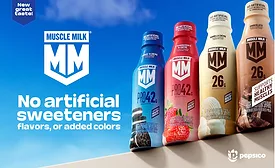
The reformulation launches alongside a partnership with rugby medalist Ilona Maher and a nationwide protein for all campaign designed to bring protein clarity to everyday consumers.
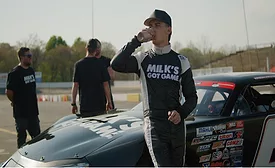
Milk’s Got Game, launched in 2024, showcases the benefits of milk and encourages individuals to choose it as their go-to for sports hydration and recovery. The campaign began by spotlighting collegiate athletes in football, basketball, and other disciplines. Now, it shifts gears to highlight non-traditional sports.
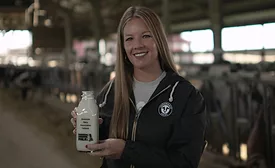
The tradition of the winning driver being awarded with milk dates back all the way to 1936. Stockwell noted the milk will be placed in a cooler and kept securely. She expects racing fans will want to take pictures with the milk and even ask for her autograph.
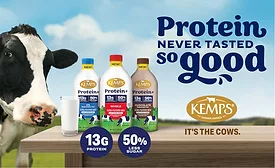
Made with real dairy milk sourced from DFA family farms, Kemps Protein+ delivers 13 grams of protein per serving — 50% more than regular milk – along with 50% less sugar. The milk is ultra filtered to concentrate protein, while reducing sugar, resulting in a rich, creamy taste, the company said.
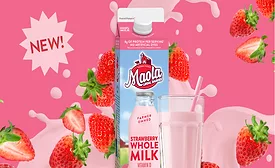
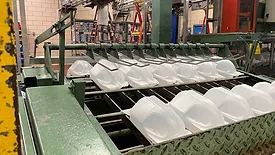
Maola Local Dairies' Newport News plant processes a variety of dairy products, focusing on sustainability and innovation. With a strong team and advanced HTST technology, they supply milk to schools and retailers across the Southeast, ensuring freshness and quality.
GEA Group explores how advances in ultrafiltration and nanofiltration enable efficient lactose removal, improve energy use and unlock high-value byproducts.
Consumer demand for lactose-free dairy is rising, driving the use of membrane filtration to remove lactose while preserving nutrients. The market is projected to reach $12.54B by 2026 and $18.95B by 2035, fueled by lactose intolerance, health trends, and innovation.