Membrane Technologies
Dairy processors turn to membranes for water recovery and energy savings
Dairy industry focuses on water reuse, energy efficiency and membrane filtration.
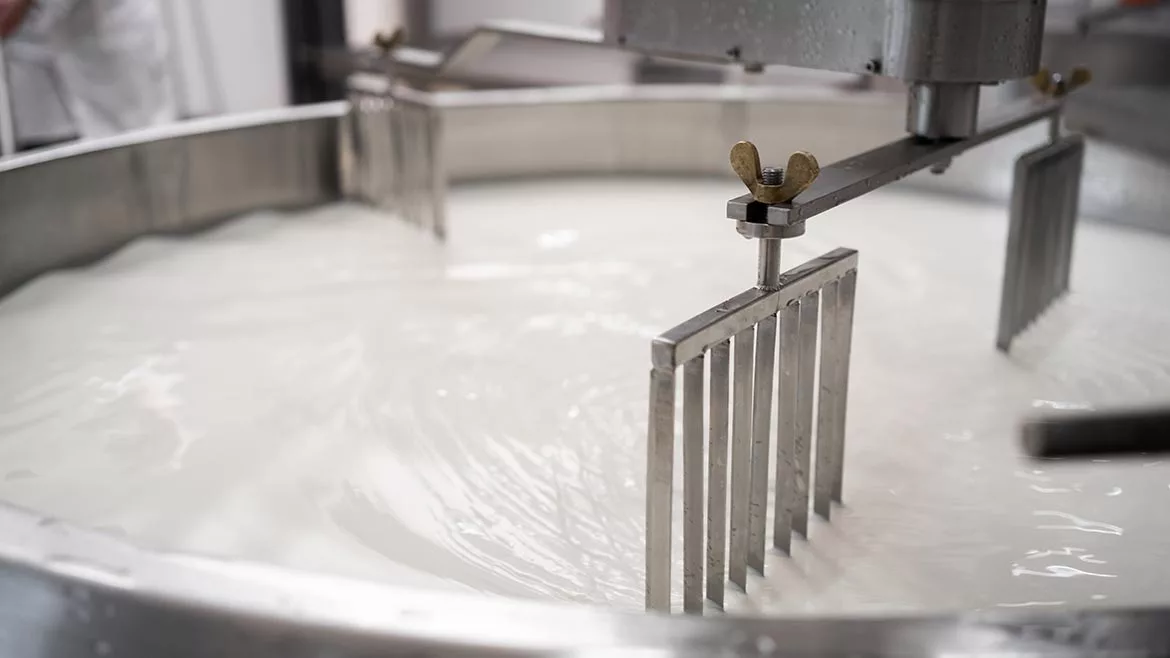
Dairy processors are placing greater emphasis on utility reduction, water recovery and operational efficiency as plants face rising energy costs, sustainability pressures and increasing scrutiny surrounding wastewater management. Across dairy processing operations, membranes are increasingly serving as a central tool for reducing thermal demand, recovering water and improving product yield.
Rather than functioning as standalone technologies, membranes are being incorporated into broader plant-wide efficiency strategies that support both operational and sustainability goals.
Pranav Shah, global market director for dairy and plant-based beverages at APV, an ITT brand, says dairy processors are adopting integrated process architectures where membrane filtration and thermal technologies work together to maximize efficiency and product quality.
“Membrane systems such as microfiltration help to remove the bacteria that was traditionally removed by thermal treatment, and reverse osmosis allows concentration and separation at lower energy levels and layout footprint compared to purely thermal methods like evaporation,” he says.
Shah notes that upstream membrane concentration can significantly reduce the thermal load placed on evaporation and downstream heat treatment systems while helping processors preserve sensitive product characteristics, including proteins, flavors and nutritional components.
Heating, cooling, evaporation and drying operations remain among the largest energy consumption drivers within dairy plants. Shah notes that technologies such as regenerative heat exchange, vapor recompression, vapor recovery and advanced heat integration are helping processors reduce steam and cooling demand throughout the production process.
At the same time, membrane concentration systems are lowering the volume entering evaporating and drying operations, reducing energy intensity across the plant. “The most effective results come from designing the processing plant as one fully integrated system rather than optimizing individual equipment in isolation,” Shah explains.
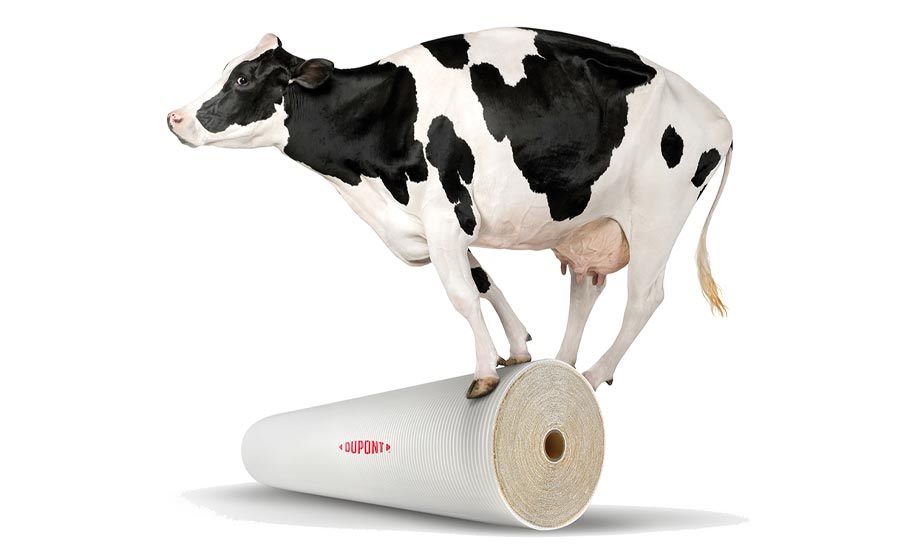
Image courtesy of iStock, DuPont
Water recovery and reuse
Water recovery and reuse are also becoming top priorities for dairy processors as facilities work to reduce freshwater consumption and wastewater generation while improving overall resource efficiency.
Shah suggests that processors are increasingly implementing membrane-based recovery systems, condensate reuse and closed-loop water management strategies to support broader sustainability goals. “For example, reverse osmosis technologies enable high-quality permeate recovery for reuse in cleaning operations and cooling systems, while nanofiltration and ultrafiltration enable value-add after appropriate treatment,” he says.
Jie Song, Ph.D., senior scientist with DuPont Water Solutions, says membrane technologies are supporting water efficiency efforts throughout multiple stages of dairy processing. “Early in the process, they are used to concentrate milk, whey or lactose streams by removing water efficiently, which reduces the overall volume that needs to be handled downstream,” Song explains. “Then later in the process, membranes are used again in polishing systems to recover and reuse water from permeate streams, evaporator condensate or even cleaning processes.”
Song adds that processors are using membrane systems to treat what is often referred to as “cow water” and upgrade it to a quality suitable for reuse within the plant.
“This is helping processors significantly reduce their reliance on fresh water,” Song says. “Overall, membranes allow dairy producers to recover more water, reuse it more effectively and reduce both intake and discharge.”
For some processors, water recovery efforts are also closely tied to protein retention and waste reduction. Lee Telin, sales and service manager — membrane systems for Caloris Engineering, says many dairy plants are beginning to view water management not only as a sustainability initiative, but also as a value preservation strategy.
“Milk is 90% water,” Telin says, adding that product solids lost during flushing or draining still have value if they can be recovered before reaching the drain.
Telin points to flush cycles and product loss as one area where processors can improve both water efficiency and product recovery. Historically, many systems relied on fixed timers for flushing operations, even when product was still present in pipelines and equipment. “A timer could be too inefficient and just push too much water down the drain,” Telin explains. “The technology and the equipment are there to look at. Instead of a timer, look at what’s coming down the pipe.”
According to Telin, newer monitoring technologies are helping processors better determine where lines are truly clean, reducing unnecessary water use while minimizing product losses.
Membrane technologies are also creating additional opportunities for processors to recover value from secondary dairy streams and wastewater byproducts. Telin says advancements in membrane separation are helping processors isolate and retain higher-value dairy components that previously may have been lost during processing.
“The membranes have gotten better and better at the separation of certain products,” Telin says. “They’re always trying to find that next value-added product in a waste stream.”
He points to products such as whey proteins and specialized components like lactoferrin as examples of higher-value dairy ingredients that processors can isolate and recover through advanced separation technologies.
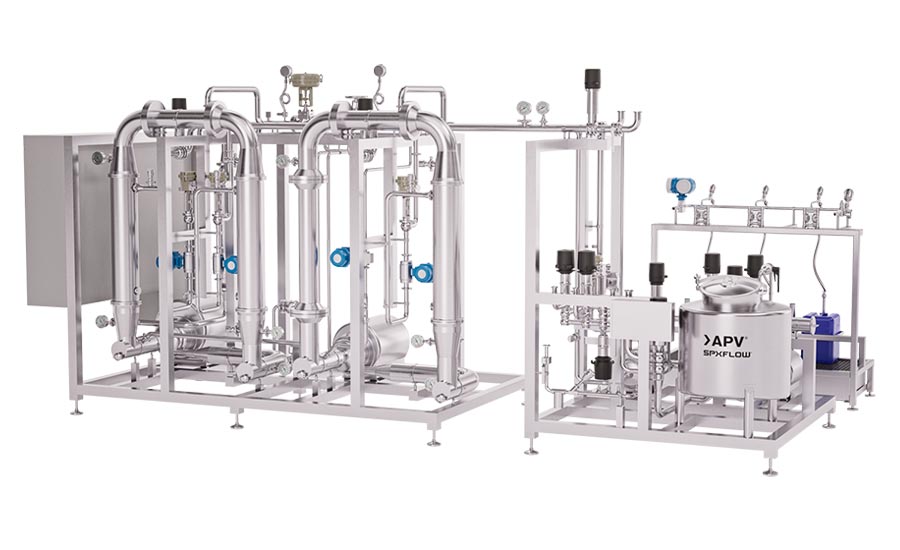
Microfiltration is highly sustainable, versatile, and proven to increase the production capacity to allow for higher yields and less waste by valorization of sub product and water recovery. Image courtesy of APV, an ITT brand
Wastewater challenges
Wastewater handling itself is also becoming a larger operational concern for dairy processors as facilities expand and environmental expectations continue increasing. In some cases, processors are exploring opportunities to convert concentrated wastewater streams into products such as fertilizer or biogas rather than treating them solely as disposal challenges. Telin describes examples in which wastewater byproducts were repurposed instead of hauled away, reducing transportation costs while creating additional downstream value.
As processors continue pursuing efficiency improvements, membrane performance itself is also evolving. According to DuPont Water Solutions’ Song, newer membrane materials are improving productivity and energy efficiency through advances in active membrane area, chemistry and element design. “For example, with newer technologies like FilmTec Hypershell XP RO-8038 element, you can process more volume through the same footprint while using less energy,” he says.
Song notes that higher-performance membranes with increased flux can move more products in less time, increasing throughput while reducing energy demand per unit of processed products.
Fouling resistance also remains a major factor in plant efficiency. Membranes that foul less maintain performance longer between cleanings, helping processors reduce downtime, chemical usage and operating costs. “So, it is really a balance — high performance and stability over time are what drive the best outcomes,” Song says.
Energy efficiency, water recovery and waste valorization efforts are likely to continue expanding across dairy processing operations as sustainability pressures and utility costs increase.
Processor priorities are shifting beyond short-term utility reduction efforts toward overall operational resilience and long-term resource management strategies, Shah says. He notes that “energy, water and resource efficiency are now viewed as critical business drivers directly connected to profitability, compliance and corporate sustainability goals.”
Caloris Engineering’s Telin believes interest in recovery technologies will continue growing as processors face increasing environmental scrutiny and pressure to improve resource management. “I think people want energy and water recovery,” Telin says. “And I think those are going to become bigger and bigger issues as these plants get larger.”
As dairy processors continue balancing production demand with sustainability needs, membrane technologies are becoming tied to broader plant efficiency efforts. From reducing thermal loads and recovering process water to improving product yield and minimizing wastewater impacts, processors are taking a more integrated approach to energy and resource management.
While strategies may vary depending on facility size, product mix and operational priorities, water and energy efficiency are set to remain a growing focus across dairy processing operations in the years ahead.
Looking for a reprint of this article?
From high-res PDFs to custom plaques, order your copy today!