Ingredient suppliers offer clean-label, protein-forward solutions for food producers
IFT First returns to McCormick Place in Chicago, showcasing the latest innovations and trends in food science and technology.

The 2025 IFT First show presents the latest trends and advancements in food science and technology, indicating that consumer and market needs are leaning more toward clean-label, functional foods focused on strong nutritional panels and claims.
Americans are increasingly utilizing GLP-1 medications such as Wegovy and Ozempic to manage diabetes and weight. In an individual IFT presentation titled "Thriving in Foodservice in a World With GLP-1 Medications," Mattson & Co. CEO Justin Shimek discusses the rising phenomenon of GLP-1s, and the likelihood of these medications to drastically change the food industry.
In his presentation, Shimek notes that GLP-1 medications drastically reduce the caloric intake of the medication user, up to 1,000 calories per day when first beginning the medication. In addition to this effect, Shimek says that GLP-1 medications have been altering the palettes and food preferences of some consumers. Moving forward, GLP-1 medications offer an avenue for foodservice operators to reduce portion sizes and prioritize value, as well as culinary innovation.

Room for growth with plant-based products?
At another session titled "How Can Plant-Based Proteins Gain Consumer Acceptance?", panelists explore potential growth avenues for plant-based proteins, as well as overall category challenges. Panelists for this session include Devin Peterson, professor at The Ohio State University, Rohan Shirwaiker, co-director of the Bezos Center for Sustainable Protein at NC State University, Serap Vatansever, R&D scientist at General Mills and Renske Janssen, senior project manager protein technology at Nizo.
Vatansever says plant-based proteins are more common in cuisine globally, and the United States has room for growth. Renske notes that, since consumers typically eat what they know, slow plant-based protein integration is likely the best way forward for the industry in the US.
Renske says that fermentation in the dairy industry can be applied to alternative meat products, helping to add texture and manage off flavors. She notes that fermentation can be implemented in both ingredient and product development.
Shirwaiker says that, although plant-based protein is likely to continue dominating the alternative protein category, cell-cultured and fermented products are on the rise. Hybrid products are likely to continue their popularity. Renske is seeing more plant-based protein industry interest in collaborating with the animal-based protein industry, to add value and address fiber needs as well as high demand for protein.

No clear definition of ultra-processed foods
Another standout session offers insights on rising consumer concerns over ultra-processed foods. Speakers include Hillary Schiff, assistant professor at The Ohio State University, Susana Socolovsky, past president of the Argentinian Association of Food Technologists, David Julian McClements, professor at the University of Massachusetts and Martin Slayne, VP global SRA, innovation at Ingredion.
Slayne notes that while it is good to bring overall awareness to food processing, the phrase "ultra-processed foods" is too broad; without a clear definition or focus, the food industry does not have much of a way to address consumer concern over ultra-processed foods. Slayne also says that positive collaboration is the key to addressing this concern; McClements highlights that ultra-processed foods need to be evaluated on a case-by-case basis to understand each product's impact on nutrition.
The expo floor features a few standout themes, including guava-flavored ingredients and solutions, high demand for alternative proteins such as sunflower and fava bean, and minimal ingredient usage. With consumer concern over ultra-processed foods on the rise, food scientists and producers are prioritizing shorter labels for products that still have strong flavor, texture and mouthfeel attributes.
To further explore show-floor innovations and category trends on display at IFT First 2025, Dairy Foods is consulting with plant-based protein company Burcon NutraScience Corp., family-owned cheese company Sargento and plant-based ingredient company Beneo. Kip Underwood, CEO of Burcon, says that demand for plant-based protein products is at an all-time high. Demand is particularly being propelled by environmental, health and weight management concerns, especially with the rise of GLP-1 medications.
Denisse Colindres, head of nutrition communication at Beneo, notes that claims related to digestive health and microbiome support, as well as pre and probiotics, are gaining strong traction in the dairy industry, particularly in formats like yogurt. "Consumers are actively seeking these products to contribute to not only gut health, but we see they're also searching for overall well-being,” she says. “These claims really resonate with consumers because they're just more aware of the importance of taking care of their gut for overall health."
Colindres notes that satiety and appetite control are also gaining significant attention in the dairy category, as well as claims focused on protein content. She says that dairy is in a prime position for the booming protein trend, since dairy is already a go-to protein category.
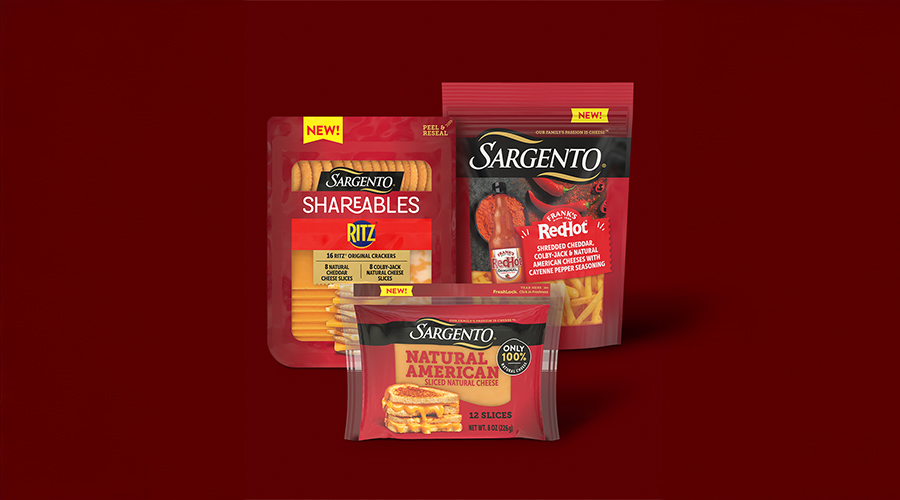
Rod Hogan, senior vice president of innovation for Sargento, says that natural cheese products in particular are resonating strongly with consumer shopping priorities. Cheese consumption is up; “Flavor and variety and convenience all play a huge role,” Hogan says.
Strong interest in high protein content is particularly benefitting the dairy snacking occasion, Hogan says. In addition to these attributes, he says nutrition, credentials and clean ingredient statements are driving growth not only for natural cheese products, but for the dairy category as a whole. “I think that that level of understanding, that level of thoughtfulness from a consumer standpoint is creating opportunities,” Hogan says.
Taste is more important than ever before, especially for the dairy and plant-based categories. “We eat for enjoyment. We eat for joy,” Underwood says. “We have to deliver the health and wellness benefits, and it has to be foods that are familiar, that taste great, that you're excited to go purchase, eat and enjoy.”
Consumers still want dairy products that are enjoyable to eat, Colindres says, but nutrient density and clean labels uniting to provide functional benefits is what’s driving many consumer purchasing decisions. She also sees strong interest in sugar reduction to support nutritional goals.
The IFT 2025 educational sessions, show floor and exhibitors all reinforce the fact that high protein content, nutritional benefits and clean labels are driving the next wave of food and beverage innovation, but highlight the fact that, to drive repeat purchases, these products must taste great as well.
Looking for a reprint of this article?
From high-res PDFs to custom plaques, order your copy today!