Dairy Foods logo
search
cart
facebook twitter linkedin youtube
  • Sign In
  • Create Account
  • Sign Out
  • My Account
Dairy Foods logo
  • NEWS
    • DAIRY REGULATIONS
  • PRODUCTS
    • New Products
    • Butter
    • Cheese
    • Cultured Dairy
    • Frozen Desserts
    • Ice Cream/Novelties
    • Milk
    • Non-Dairy Beverages
    • Sales Data
    • Whey, Milk Powder
    • Dairy Alternatives
  • INGREDIENTS
    • Cocoa
    • Colors/Flavors
    • Cultures/Enzymes
    • Fiber
    • Gums, Stabilizers, and Texturants
    • Inclusions
    • Omegas/Lipids
    • Prebiotics
    • Probiotics
    • Sweeteners
    • Other
  • OPERATIONS
    • SUSTAINABILITY
    • Equipment
    • Processing
    • Packaging
    • Food Safety & Sanitation
    • Membrane Technology
  • MEDIA
    • Dairy Foods TV
    • Podcasts
    • Webinars
  • DIRECTORIES
    • Buyers Guide
    • Dairy Plants USA
  • MEMBRANE FORUM
  • MORE
    • Associations
    • Dairy Foods' News & Views Newsletter
    • Blogs
    • Case Studies
    • Classifieds
    • Custom Content & Marketing Services
    • Dairy Foods Store
    • Market Research
    • Supplier Spotlights
    • Tradeshows and Events
    • Strategy Guides
  • AWARDS
    • Dairy Plant of the Year Award
    • Breakthrough Award
    • Dairy Processor of the Year
  • EMAGAZINE
    • eMagazines
    • Archive Issues
    • Contact
    • Advertise
    • SIGN UP!
    • Columnists
    • Dairy 100
    • State of the Industry Report
    InnovationMembrane TechnologyDairy Foods Columnists

    Membrane filtration technology transforms dairy foods industry

    Advancement in membrane production and technology help in developing thinner membranes.
    By Venkateswarlu Sunkesula Ph.D., Gunvantsinh Rathod Ph.D.
    membrane filtration

    Photo courtesy of Andrii Medvediuk / iStock / Getty Images Plus

    June 10, 2025

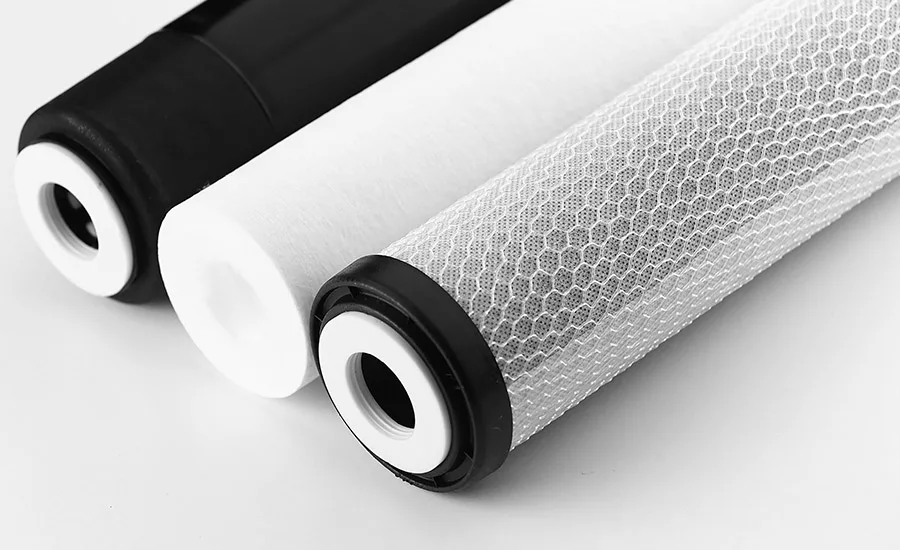
    Membrane filtration technology has revolutionized the food and dairy industry by providing practical, sustainable, and optimal cost solutions, enabling the production of minimally processed dairy foods, new dairy ingredients, and recovering bioactive components. In the membrane filtration process, components are separated based upon molecular size and permeability through a semi-permeable membrane with specific pore size. Based upon selective permeability of the membranes, the membrane filtration process is classified into four categories, viz. Microfiltration (MF), Ultrafiltration (UF), Nanofiltration (NF), and Reverse Osmosis (RO).

    Applications of membrane technology in the food industry 

    In dairy processing, membrane filtration has transformed dairy products and ingredients manufacturing, particularly from milk and whey. Regular MF (1 μm pore size) removes bacteria in various dairy product streams to extend shelf life. Whereas MF with a smaller pore size (~0.14-0.2 μm) fractionates micellar casein from skim milk. UF is used to concentrate milk proteins and separate lactose and minerals. NF helps partial reduction of minerals and concentrate solids to produce high-protein dairy products like milk protein concentrates and isolates. Combination of MF, UF and NF helps to adjust the casein to whey protein ratio and reduce to mineral content of milk to mimic composition of human milk for making infant formula. Combination of MF and UF is used to separate and concentrate milk fat globule membrane and phospholipids from milk, whey and buttermilk, to use them as a dietary supplement.  

    MF and UF are widely used in the beverage industry to clarify and sterilize fruit juices, beer and wine. RO is used to concentrate juices and purify water. UF is used widely in the brewing industry to remove particulate impurities such as yeast, suspended solids, and selected polyphenols without affecting flavor. The meat and poultry industries extensively use a combination of MF-RO and UF-RO for recycling wastewater to reduce organic matter to limit biological oxygen demand (BOD) and chemical oxygen demand (COD) and to recover valuable proteins and peptides from by-products, contributing to sustainability and reducing waste. The sugar and sweetener industries use UF for clarification (that reduces the operation time and limit use of fining agents) and NF for concentration of fruit sugar from fruit juices, that enhance the production of high-purity sweeteners like high-fructose corn syrup and glucose syrup. A combination of UF and NF decolorize, desalinate, and purify cane sugar and other sweeteners. With the growing demand for plant-based foods, membrane filtration such as UF and RO is used for protein extraction, concentration, and purification from sources like soy, pea and almond. It improves the texture, flavor, and nutritional content of plant-based products due to cold-temperature membrane processing versus traditional processing. Overall, membrane processing is advantageous considering cold temperature separation and minimal effect on the nutritional and functional quality of the components. However, challenges associated with membrane technology, such as membrane fouling, reduced flux rate, and high energy consumption, are still opportunities to improve overall membrane processing performance.

    Recent advances in membrane technology

    Development in polymers (such as polymer nanocomposite, modified thin film composite, poly sulfone, and polyether sulfone), and advancement in membrane production scale and technology help in developing thinner membranes with reduced pore size distribution. Modern membranes with intelligent sensing technologies adapt to variations in food processing conditions such as pressure, temperature, and contamination levels and improve separation performance by adjusting their pore sizes. Nanomaterials like graphene oxide and carbon nanotubes have been integrated into membrane structures to enhance durability, resistance to fouling, and selectivity. Recent innovations also include bio-inspired and self-cleaning membrane coatings (such as Titanium oxide, polyphenols-tannic acid) that prevent the accumulation of biofilms, proteins, and other contaminants. Recent advancements also focus on low-energy filtration systems to reduce water and energy consumption. The development of forward osmosis (FO) and electrically driven membrane filtration has provided alternative methods that enhance sustainability while maintaining high filtration performance. Combining membrane filtration (UF/RO) with other techniques, such as evaporation, helps to leverage the limitation of retentate concentration, avoiding fouling and higher energy requirements for pumps without compromising final product quality and economy.

    Future prospectives of membrane technology

    From dairy and beverages to plant-based proteins and sugar refining, membrane filtration continues to be an indispensable tool in modern food manufacturing. As innovation progresses, these technologies will meet global food production challenges and ensure the availability of high-quality, safe, and nutritious food products with better sustainability.

    References: 

    1. Osman, A. I., Chen, Z., Elgarahy, A. M., Farghali, M., Mohamed, I. M., Priya, A. K., Hawash, H.B. & Yap, P. S. (2024). Membrane technology for energy saving: principles, techniques, applications, challenges, and prospects. Advanced Energy and Sustainability Research, 5(5), 2400011.
    2. Ayed, L., M'hir, S., & Asses, N. (2023). Sustainable whey processing techniques: Innovations in derivative and beverage production. Food Bioscience, 53, 102642.
    3. Petukhov, D. I., & Johnson, D. J. (2024). Membrane modification with carbon nanomaterials for fouling mitigation: A review. Advances in Colloid and Interface Science, 103140.
    4. Charcosset, C. (2021). Classical and recent applications of membrane processes in the food industry. Food Engineering Reviews, 13(2), 322-343.

    Venkateswarlu (Venkat) Sunkesula, Ph.D., is leading the research and development department as VP Research and Development at Idaho Milk Products, Jerome, Idaho. He earned his doctoral degree in Dairy Science Manufacturing from South Dakota State University and has more than 20 years of extensive experience in the dairy and food industries.

    Gunvantsinh Rathod, Ph.D., is working as a R&D- Associate Principal Scientist at Idaho Milk Products, Jerome, Idaho. He earned his doctoral degree in Food Science from Kansas State University. He has more than 10 years of experience in dairy processing and research.

    KEYWORDS: dairy ingredient innovation dairy processing membrane filtration solutions reverse osmosis ultrafiltration

    Share This Story

    Looking for a reprint of this article?
    From high-res PDFs to custom plaques, order your copy today!

    Venkatsunkesula

    Venkateswarlu (Venkat) Sunkesula, Ph.D., is leading the research and development department as VP Research and Development at Idaho Milk Products, Jerome, Idaho. He earned his doctoral degree in Dairy Science Manufacturing from South Dakota State University and has more than 20 years of extensive experience in the dairy and food industries.

    Gunvantsinhrathod

    Gunvantsinh Rathod, Ph.D., is working as a R&D Associate Principal Scientist at Idaho Milk Products, Jerome, Idaho. He earned his doctoral degree in Food Science from Kansas State University. He has more than 10 years of experience in dairy processing and research.

    Recommended Content

    JOIN TODAY
    to unlock your recommendations.

    Already have an account? Sign In

    • Lifeway Organic Kefir in different flavors inside a refrigerated grocery shelf.

      Dairy Foods names Lifeway Foods 2025 Processor of the Year

      Lifeway Foods donates $10,000 to wildfire victims,...
      Cultured Dairy
      By: Brian Berk
    • Two female farmers are standing in a field, holding a large milk canister, looking at several cows at dairy farm.

      Honoring Women Leaders Shaping the Dairy Industry

      For the fourth consecutive year, Dairy Foods is proud to...
      Innovation
      By: Barbara Harfmann
    • Main feature for State of the Industry with dairy products album cover with a gradient circular--patterned backgorund.

      2025 State of the Dairy Industry

      Welcome to the 2025 State of the Industry report. For...
      Ingredients for Dairy Processors
    Manage My Account
    • eMagazine Subscription
    • Dairy Foods News & Views Newsletter
    • Online Registration
    • Manage My Preferences
    • Subscription Customer Service
    • Connect with Dairy Foods

    More Videos

    Popular Stories

    Close up of man adding Greek yogurt while preparing healthy smoothie in the kitchen.

    An expert guide to dairy and GLP-1 receptor agonists

    Grilling foods

    Dairy’s Enduring Moment: Why Resilience and Renewal Define Today’s Dairy Story

    Idaho Milk Products hosts ribbon cutting

    Idaho Milk Products hosts ribbon cutting for new facility

    Nominate your product for the 2026 Dairy Foods Product of the Year!

    Events

    July 8, 2026

    Membrane Purification Enables Clean Beauty Actives

    The global cosmetics market is undergoing a major shift towards the use of natural bioactive ingredients as consumers grow more skeptical of traditional formulations and demand greater transparency and sustainability.

    July 8, 2026

    Advancements in RO for Dairy Processing

    Reverse osmosis (RO) membranes are well established in dairy processing but continue to evolve to improve performance, reduce energy use, and increase operational longevity. 

    View All Submit An Event

    Products

    Probiotic Ice Cream: Science and Technology

    Probiotic Ice Cream: Science and Technology

    See More Products

    Outlook Report: Women in Dairy

    Related Articles

    • Otis Cobb retires from Federal after 55 years in the dairy foods industry

      See More
    • Milk butter cheese photo courtesy of Edlong Dairy Technologies

      Sharing progress on sustainability is critical for dairy foods industry

      See More
    • foodimg.jpg

      Decarbonizing the dairy foods industry

      See More

    Related Directories

    • International Dairy Foods Association (IDFA)

      The International Dairy Foods Association (IDFA), Washington, D.C., represents the nation's dairy manufacturing and marketing industry, which supports more than 3 million jobs that generate $198 billion in wages and $779 billion in overall economic impact. IDFA’s diverse membership ranges from multinational organizations to single-plant companies, from dairy companies and cooperatives to food retailers and suppliers, all on the cutting edge of innovation and sustainable business practices. Together, they represent most of the milk, cheese, ice cream, yogurt and cultured products, and dairy ingredients produced and marketed in the United States and sold throughout the world. Delicious, safe and nutritious, dairy foods offer unparalleled health and consumer benefits to people of all ages.
    • Belfonte Dairy Foods

    • Producer's Dairy Foods Inc.

    ×

    Stay ahead of the curve. Unlock a dose of cutting-edge insights.

    Receive our premium content directly to your inbox.

    SIGN-UP TODAY
    • RESOURCES
      • Advertise
      • Contact Us
      • Directories
      • Store
      • Want More
    • SIGN UP TODAY
      • Create Account
      • eMagazine
      • Newsletter
      • Customer Service
      • Manage Preferences
    • SERVICES
      • Marketing Services
      • Reprints
      • Market Research
      • List Rental
      • Survey/Respondent Access
    • STAY CONNECTED
      • LinkedIn
      • Facebook
      • YouTube
      • X (Twitter)
    • PRIVACY
      • PRIVACY POLICY
      • TERMS & CONDITIONS
      • DO NOT SELL MY INFORMATION
      • PRIVACY REQUEST
      • ACCESSIBILITY

    Copyright ©2026. All Rights Reserved BNP Media, Inc. and BNP Media II, LLC.

    Design, CMS, Hosting & Web Development :: ePublishing