Dairy Foods logo
search
cart
facebook twitter linkedin youtube
  • Sign In
  • Create Account
  • Sign Out
  • My Account
Dairy Foods logo
  • NEWS
    • DAIRY REGULATIONS
  • PRODUCTS
    • New Products
    • Butter
    • Cheese
    • Cultured Dairy
    • Frozen Desserts
    • Ice Cream/Novelties
    • Milk
    • Non-Dairy Beverages
    • Sales Data
    • Whey, Milk Powder
    • Dairy Alternatives
  • INGREDIENTS
    • Cocoa
    • Colors/Flavors
    • Cultures/Enzymes
    • Fiber
    • Gums, Stabilizers, and Texturants
    • Inclusions
    • Omegas/Lipids
    • Prebiotics
    • Probiotics
    • Sweeteners
    • Other
  • OPERATIONS
    • SUSTAINABILITY
    • Equipment
    • Processing
    • Packaging
    • Food Safety & Sanitation
    • Membrane Technology
  • MEDIA
    • Dairy Foods TV
    • Podcasts
    • Webinars
  • DIRECTORIES
    • Buyers Guide
    • Dairy Plants USA
  • MEMBRANE FORUM
  • MORE
    • Associations
    • Dairy Foods' News & Views Newsletter
    • Blogs
    • Case Studies
    • Classifieds
    • Custom Content & Marketing Services
    • Dairy Foods Store
    • Market Research
    • Supplier Spotlights
    • Tradeshows and Events
    • Strategy Guides
  • AWARDS
    • Dairy Plant of the Year Award
    • Breakthrough Award
    • Dairy Processor of the Year
  • EMAGAZINE
    • eMagazines
    • Archive Issues
    • Contact
    • Advertise
    • SIGN UP!
    • Columnists
    • Dairy 100
    • State of the Industry Report
    Operations

    Decarbonizing the dairy foods industry

    There are many efforts that can be done now to do things like reduce greenhouse gas emissions.
    By Doug Bloss
    foodimg.jpg
    August 10, 2022

    For more than 2,000 years, the dairy industry has seen an incredible amount of creativity and modernization. From fermenting and processing to consuming dairy products, innovations have given rise to an industry that’s now worth about $900 billion and projected to surpass $1 trillion by 2024.

    And the innovation is welcome, especially in a world where hunger and malnutrition, food accessibility, and nutritional disparity continue to plague entire countries. But there’s another problem that’s tugging on the dairy industry and it will require a new innovation that, I believe, the dairy industry is well-suited to bring about. 

    The Innovation Center for U.S. Dairy, founded by U.S. dairy farmers, has set environmental sustainability goals to achieve net-zero emissions by 2050. While the goal is aggressive, the dairy industry has already shown itself to be capable of radical change. For example, between 1944 and 2007, global milk yield has increased four-fold, resulting in a 63% drop in carbon emissions. In North America, the industry has reduced its greenhouse gas (GHG) emissions consistently year after year since 2005 while increasing production.

    But more needs to be done — and fast, which is why we’re beginning to see industry leaders step up their efforts and adopt new sustainability practices. This is great news for the dairy industry, and the environment as a whole, especially if other organizations follow this strategy. 

    But there’s a lot of work that needs to be done if we are ever to see the dairy industry reach net-zero emissions. Currently, thousands of dairy processing plants across the globe still contribute large amounts of GHG emissions daily; and many of the organizations running these plants have made little progress in reaching their sustainability goals, largely because they’re waiting on a renewable silver bullet solution that hasn’t arrived just yet.

    What can be done? Well, we know that renewable energy is not yet a viable solution from both a cost perspective and availability. There’s simply not enough energy to go around, and an industry-wide switch to renewables would overburden the current grid infrastructure and drive costs even higher.

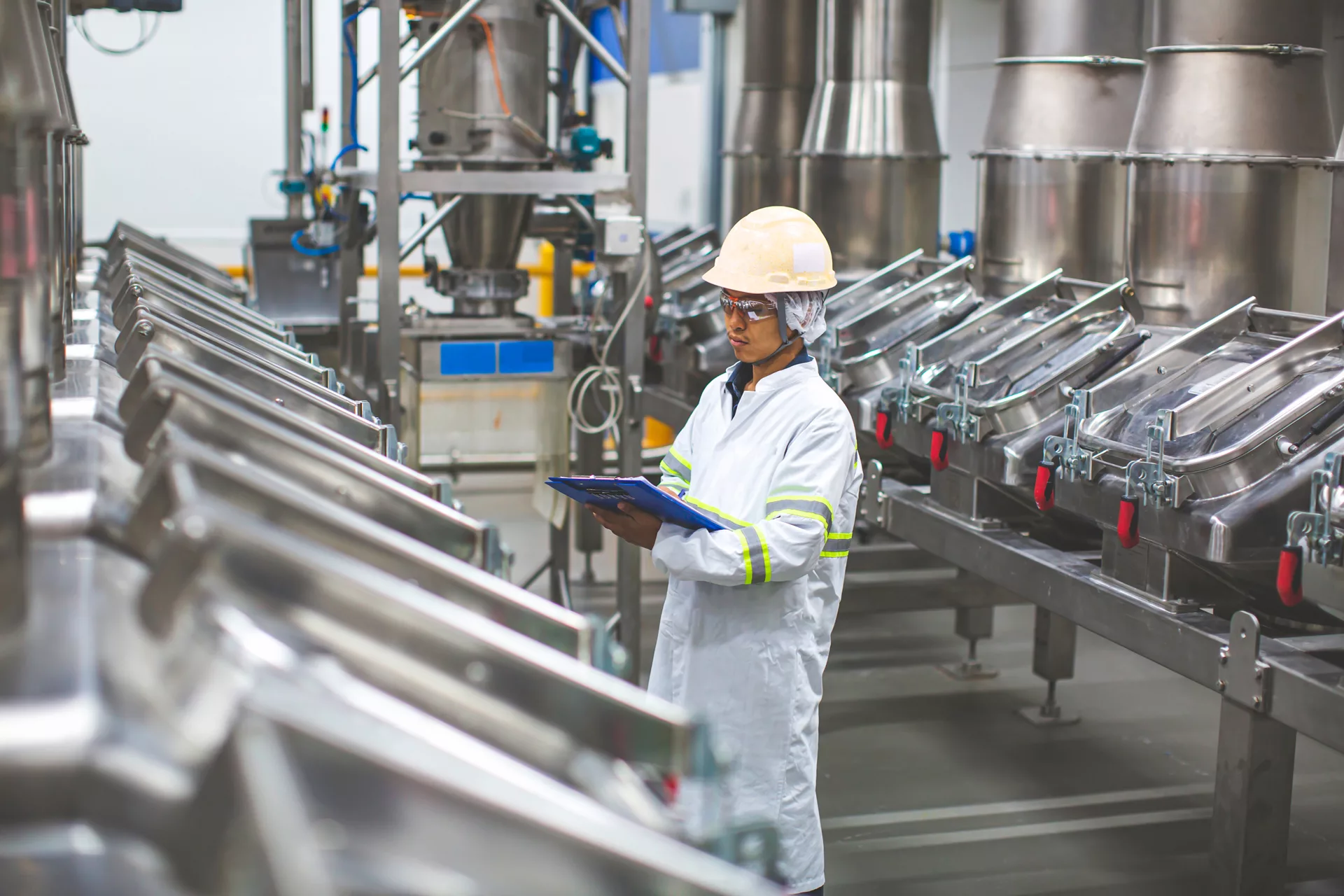
    The final piece of the puzzle lies within each factory’s thermal utility processes. Most of today’s dairy processing plants were built more than 50 years ago and have an immense opportunity to minimize waste heat and optimize efficiencies within each plant’s current processes. For example, food processing — particularly with dairy products — requires a significant amount of energy for sterilization and cold storage. Unfortunately, this leads to a lot of waste heat during the cooling process, while the factory simultaneously needs heat at relatively low temperatures (below 250 degrees Fahrenheit) to operate effectively.

    With the technology that’s available today, we can map out these thermal processes with artificial intelligence- and internet of things-powered tools, find out where the heat is going, monitor performance and flag failures. Not only will this enable plant managers to make better, real-time automated decisions, experienced engineers can then take that information and develop a roadmap to full decarbonization.

    The idea here is to minimize a plant’s energy waste, optimize its thermal energy efficiency and then build a strategy for complete decarbonization, and the dairy industry is uniquely suited to save an extraordinary amount of energy by doing so. In fact, dairy processors can reduce their carbon emissions by up to 80% by implementing an internal process heat exchanger network coupled with industrial high-temperature heat pumps. This strategy, known as Circular Thermal, recovers waste heat and displaces fossil-generated heat in a three-step process that includes de-steaming (conversion to pressurized hot water) all applications below 250°F; recovering direct heat when a positive differential temperature is available; and using industrial heat pumps for raising the temperature of low-grade heat to the temperature that is useful for the process.

    In short, Circular Thermal takes the stream of waste heat and channels it back to the process where the energy is needed. Like I mentioned before, this optimization process can get you about 80% of the way toward decarbonization. The final 20% of GHG emissions can be removed with renewable sources at a much more reasonable capital expense, improving an organization’s bottom line and making it more competitive in the long run. 

    Our work with several Fortune 500 companies, across hundreds of global sites in various sectors, confirms this strategy as the most cost effective first step in the road toward decarbonization. It’s a practical, no regrets first step. 

    The dairy industry is ripe for innovation, and it’s time to recognize that the leaders of this industry have an opportunity to make real, lasting change right now; and put the next generation of dairy innovators on the road toward complete carbon neutrality.

    The opinions expressed in this article are the author’s only. They do not necessarily reflect those of Dairy Foods ot its parent company BNP Media.

    KEYWORDS: greenhouse gas emissions Sustainabiliy in the dairy industry

    Share This Story

    Looking for a reprint of this article?
    From high-res PDFs to custom plaques, order your copy today!

    Doug bloss

    Douglas Bloss is President & CEO of Armstrong International and a member of Armstrong’s Board of Directors. His 40-year career with Armstrong includes marketing, sales, service, acquisitions, and new product development in Armstrong’s core thermal utilities business. Bloss chaired the Energy Management Council and led one of the first energy efficiency methodologies adopted by the United Nations Framework Convention on Climate Change for carbon trading.

    Recommended Content

    JOIN TODAY
    to unlock your recommendations.

    Already have an account? Sign In

    • Lifeway Organic Kefir in different flavors inside a refrigerated grocery shelf.

      Dairy Foods names Lifeway Foods 2025 Processor of the Year

      Lifeway Foods donates $10,000 to wildfire victims,...
      Innovation
      By: Brian Berk
    • Two female farmers are standing in a field, holding a large milk canister, looking at several cows at dairy farm.

      Honoring Women Leaders Shaping the Dairy Industry

      For the fourth consecutive year, Dairy Foods is proud to...
      Dairy Foods & Beverages
      By: Barbara Harfmann
    • Main feature for State of the Industry with dairy products album cover with a gradient circular--patterned backgorund.

      2025 State of the Dairy Industry

      Welcome to the 2025 State of the Industry report. For...
      Cheese
    Manage My Account
    • eMagazine Subscription
    • Dairy Foods News & Views Newsletter
    • Online Registration
    • Manage My Preferences
    • Subscription Customer Service
    • Connect with Dairy Foods

    More Videos

    Popular Stories

    Close up of a whipped frozen dessert with a light green color.

    The keys to high-protein dairy formulations

    A row of Frios Gourmet Pops with a tie dye pattern as a background.

    How Frios Gourmet Pops delivers happiness

    Grilling foods

    Dairy’s Enduring Moment: Why Resilience and Renewal Define Today’s Dairy Story

    Nominate your product for the 2026 Dairy Foods Product of the Year!

    Products

    Probiotic Ice Cream: Science and Technology

    Probiotic Ice Cream: Science and Technology

    See More Products

    Outlook Report: Women in Dairy

    Related Articles

    • Otis Cobb retires from Federal after 55 years in the dairy foods industry

      See More
    • membrane filtration

      Membrane filtration technology transforms dairy foods industry

      See More
    • Milk butter cheese photo courtesy of Edlong Dairy Technologies

      Sharing progress on sustainability is critical for dairy foods industry

      See More

    Related Products

    See More Products
    • df emerging.jpg

      Emerging Dairy Processing Technologies: Opportunities for the Dairy Industry

    See More Products

    Related Directories

    • International Dairy Foods Association (IDFA)

      The International Dairy Foods Association (IDFA), Washington, D.C., represents the nation's dairy manufacturing and marketing industry, which supports more than 3 million jobs that generate $198 billion in wages and $779 billion in overall economic impact. IDFA’s diverse membership ranges from multinational organizations to single-plant companies, from dairy companies and cooperatives to food retailers and suppliers, all on the cutting edge of innovation and sustainable business practices. Together, they represent most of the milk, cheese, ice cream, yogurt and cultured products, and dairy ingredients produced and marketed in the United States and sold throughout the world. Delicious, safe and nutritious, dairy foods offer unparalleled health and consumer benefits to people of all ages.
    • Belfonte Dairy Foods

    • Producer's Dairy Foods Inc.

    ×

    Stay ahead of the curve. Unlock a dose of cutting-edge insights.

    Receive our premium content directly to your inbox.

    SIGN-UP TODAY
    • RESOURCES
      • Advertise
      • Contact Us
      • Directories
      • Store
      • Want More
    • SIGN UP TODAY
      • Create Account
      • eMagazine
      • Newsletter
      • Customer Service
      • Manage Preferences
    • SERVICES
      • Marketing Services
      • Reprints
      • Market Research
      • List Rental
      • Survey/Respondent Access
    • STAY CONNECTED
      • LinkedIn
      • Facebook
      • YouTube
      • X (Twitter)
    • PRIVACY
      • PRIVACY POLICY
      • TERMS & CONDITIONS
      • DO NOT SELL MY INFORMATION
      • PRIVACY REQUEST
      • ACCESSIBILITY

    Copyright ©2026. All Rights Reserved BNP Media, Inc. and BNP Media II, LLC.

    Design, CMS, Hosting & Web Development :: ePublishing