Lactose-free dairy global market nears $7B
Milk continues to be the top seller in the category.
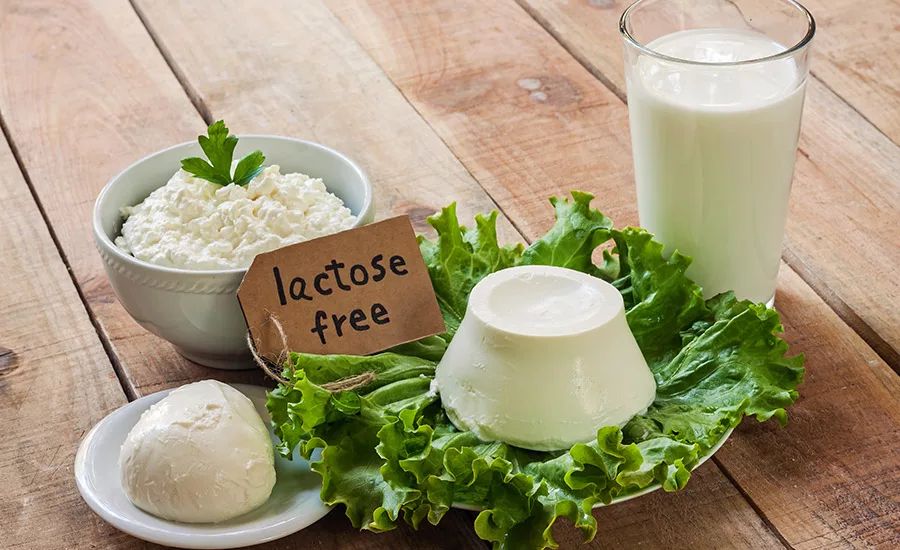
Photo courtesy of minoandriani via Getty Images..
In ancient times, humans became lactose intolerant, or unable to fully digest the sugar (lactose) in milk, after childhood. However, according to several reports, this changed circa 10,000 B.C., when a human mutation occurred, likely in Europe, which allowed adults to consume dairy.
Why lactose intolerance later became prominent once again baffles scientists. Lactose intolerance was first discovered by Hippocrates, the ancient Greek physician 2,500 years ago. In 1906, R. H. Plimmer was the first scientist to discover lactase enzymes in the intestines of animals. In 1978, a breath hydrogen test was used by Michael D. Levitt to diagnose lactose intolerance.
Lactose intolerance is an inability to break down naturally-occurring milk sugar, lactose, into its component parts to be absorbed. According to Sebastopol, Calif.-based Green Valley Creamery, 120 million Americans today are lactose intolerant or lactose sensitive, with many million more throughout the world.
According to the Chicago-based research firm SPINS LLC, in the lactose-free dairy market, milk is still the top sales component and experienced 16.6% year-over-year (YoY) growth during the 52 weeks ending Jan. 29.
“While consumers looking for lactose-free options have more variety with the growth of plant-based milks, traditional lactose-free dairy options are still a consumer favorite in this market,” SPINS tells Dairy Foods in a statement.
The research firm adds that lactose-free was a $6.8 billion global market for the 52 weeks ending Jan. 29, with milk accounting for $1.78 billion of that total; followed by refrigerated almond milk at $1.2 billion in sales; refrigerated margarine and spreads, which accounted for $1.15 billion in sales; and creams and creamers ($637 million).
Euromonitor research also suggests the lactose-free category has grown in the last six years.
“The segment is predicted to achieve an estimated average compound annual growth rate of 7% up to 2026, with an annual turnover of $14 billion,” Marianne Toftdal, global business product line leader, Fresh Dairy Enzymes, at New York City-based International Flavors and Fragrances (IFF), adds regarding the data. “This is unsurprising considering estimates place the prevalence of lactose intolerance globally at 65% to 70%, creating a large market of consumers eager to enjoy the benefits of dairy products, without worrying about any unwanted side effects.”
The benefits
Producing and offering lactose-free products enables a wide range of customers to consume the products while continuing to benefit from the nutritional aspects of dairy, states Brian Schlatter, business development manager for Rimouski, Québec, Canada-based Fromagex.
Denver-based Danone North America research shows that multicultural consumers have a higher prevalence of lactose intolerance and over-index in plant-based food and beverage consumption.
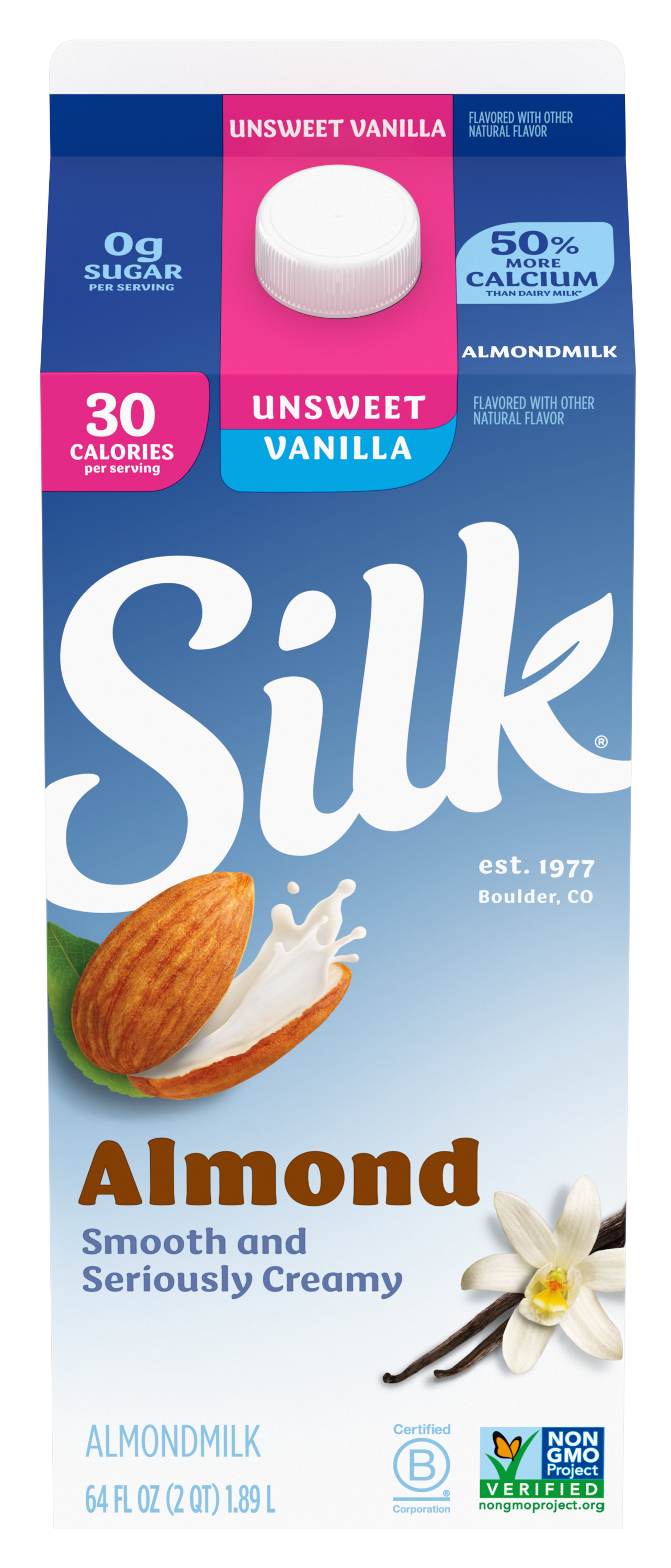
“The Silk brand has a tremendous legacy with the plant-based community and as the No. 1 plant-based brand, we work to advance the industry in terms of taste, texture, and innovation that really exceeds what consumers expect from the category. As such, all of the products in our portfolio are lactose-free,” says Olivia Sanchez, vice president of marketing, plant-based beverages at Danone North America.
Lactose-free products also benefit consumers looking to reduce their sugar consumption.
“To make lactose-free dairy, lactase enzyme hydrolysis is used to break down the disaccharide lactose, releasing free glucose and galactose molecules, which exhibit an increased level of sweetness,” IFF’s Toftdal says. “The result is dairy products that consumers perceive as sweeter, though the amount of naturally occurring sugar remains the same.”
Other benefits of lactose-free that are particularly on trend with consumers right now are digestive health (putting good things in your body to help with digestion and gut heath), sugar claims, and a desire for lower/no-sugar products and following a plant-based eating/lifestyle, according to Greg Czernik, consumer insights and analytics, vice president, Kansas City, Kan.-based Dairy Farmers of America Dairy Brands.
The products/ingredients
Fortunately, unlike in ancient days, the dairy industry offers plenty of options for lactose-free consumers who seek the taste or nutritional benefits of dairy products that they cannot find with traditional products.
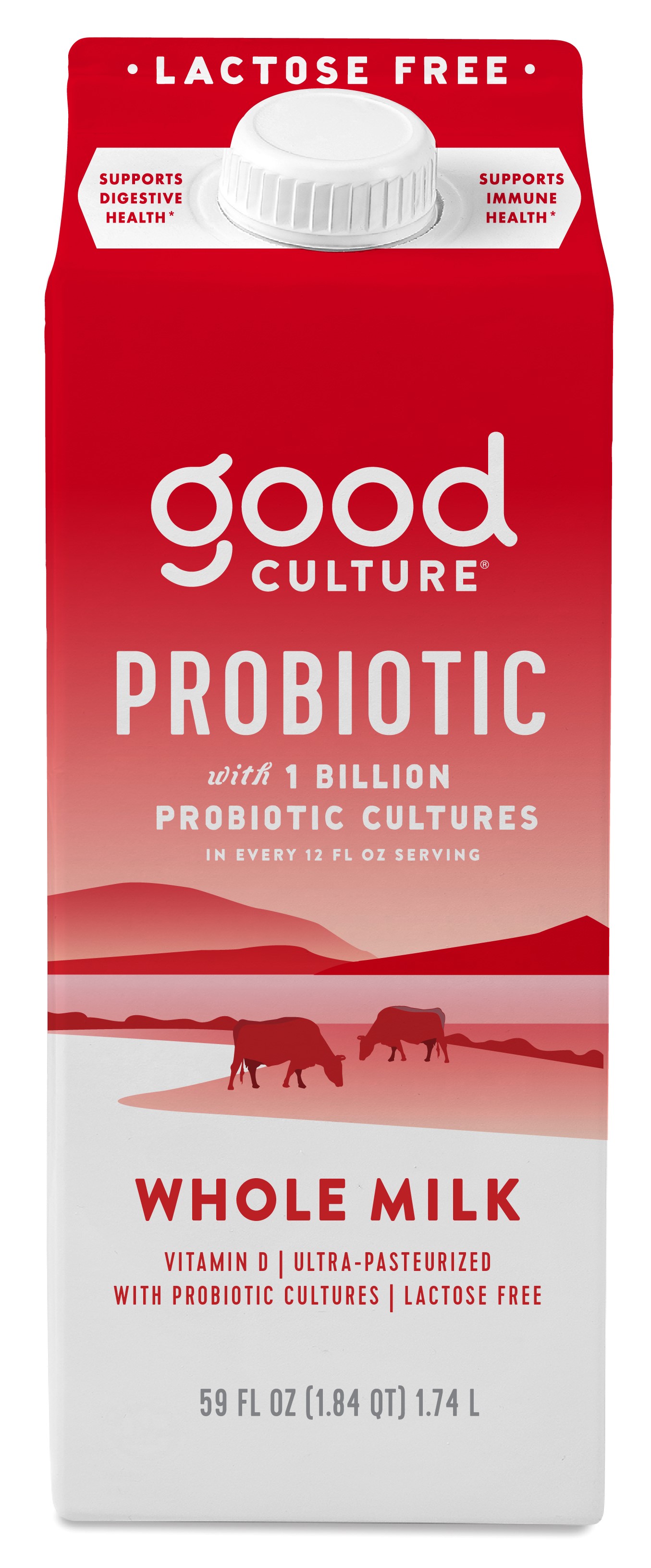
In partnership with Irvine, Calif.-based Good Culture, Dairy Farmers of America (DFA), a national farmer-owned cooperative with more than 11,500 family-farm owners, introduced Good Culture Probiotic Milk in February.
“Our new Good Culture Probiotic Milk combines the great taste and nutrition of lactose-free milk with a patented probiotic shown to help support digestion and a healthy immune system. Available in whole and 2% reduced fat milk varieties, Good Culture Probiotic Milk is lactose-free and has an extended shelf life. Each 12-fluid-ounce serving provides 1 billion probiotic cultures and is a good source of vitamins A and D,” Czernik maintains.
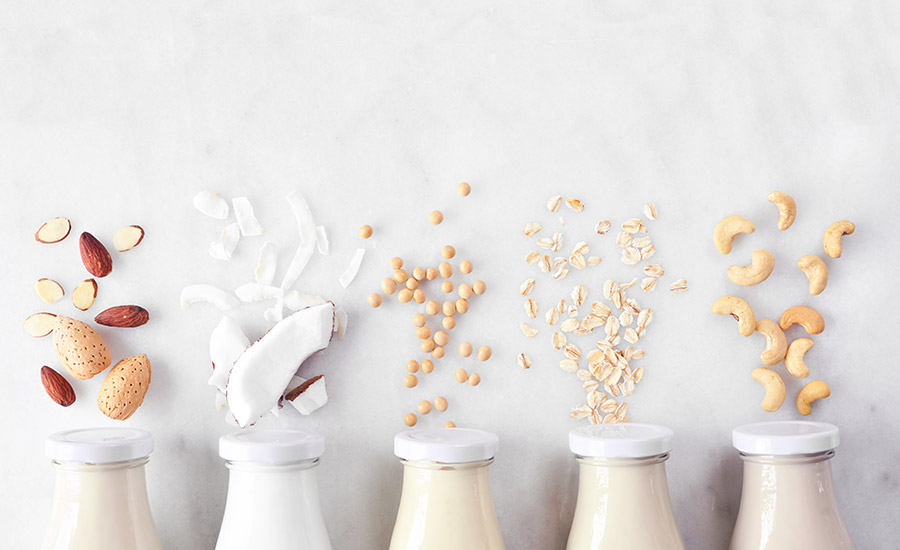
Danone’s lactose-free portfolio includes beverages (Nextmilk, almondmilk, oatmilk, cashewmilk, coconutmilk and soymilk), plant-based creamers, and yogurt alternatives. So Delicious Dairy Free also has an entirely lactose-free portfolio, including frozen desserts, beverages, and plant-based coconut milk creamers.
This year, Silk is refreshing its look to market, led by its Almondmilk product line. “The Silk Restage unifies our brand portfolio under one vision that is more authentic, modern, and iconic for consumers. Ultimately, we want to illustrate to consumers how easily plant-based, lactose-free products can be integrated into their daily routines without any sacrifice on taste,” Sanchez reveals.
Danone also is putting its marketing muscle behind lactose-free products via its Silk Nextmilk ‘Stache campaign. “This campaign showcases how Silk Nextmilk is made for the next generation of milk drinkers, featuring a select group of individuals who can uniquely illustrate how the next-gen is opting for delicious options in plant-based,” Sanchez notes.
Regarding new ingredient offerings, Fromagex carries Chr. Hansen ingredients brand enzymes for producing lactose-free products.
“Chr. Hansen is now offering an onsite testing unit for producers to utilize in the process. This helps to ensure that the product is meeting its label claims and the processing time is not overextended,” says Schlatter.
The taste of lactose free
Processing lactose-free products does present some processing challenges. For example, temperature has a significant impact on the performance of conventional lactases, which also typically require long periods of time to work.
“In batch processing applications, the general rule of thumb is; the longer the processing time, the lower the potential throughput a processing line can achieve,” IFF’s Toftdal asserts. “Lactose-free dairy producers often need to invest in extra storage and hydrolyzation tanks for batches that require up to 24 hours of hydrolyzation at 5° Celsius, or in production filters that need frequent cleaning and changing.”
And of course, the exact taste of dairy is difficult to replicate when changing any component of a dairy formulation — including lactose-free. “Adding lactase does not change the great taste, creamy texture or nutritional value of milk, although some consumers have noticed that lactose-free milk has a slightly sweeter taste than regular milk, as the lactase breaks down the naturally-occurring lactose into simple sugars,” DFA’s’ Czernik says
However, despite some processing challenges, lactose-free products remain important for a lot of people. In fact, Danone research has found that when consumers find lactose-free products that deliver on taste, they feel accomplished.
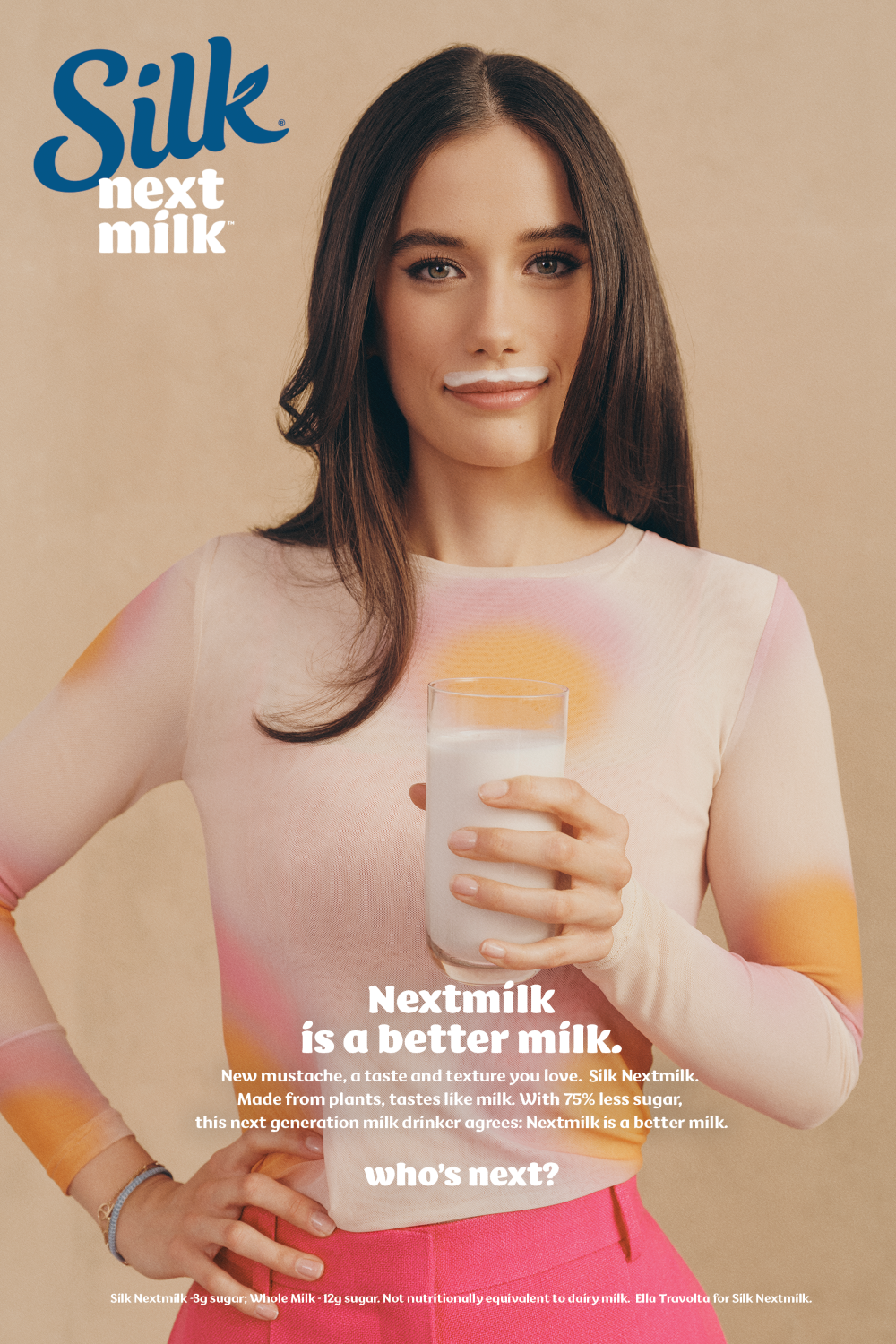
“They are able to make a small change and feel big results, such as improvements in digestive health and the opportunity to continue enjoying beloved milk moments with our dairy-like, lactose-free offerings, without sacrificing taste or quality,” Sanchez notes.
To further improve the taste of lactose-free products, ingredient suppliers are exploring new, highly functional enzymes. For instance, IFF’s BONLACTA lactase solution hydrolyzes lactose more efficiently under both refrigeration and high-temperature conditions to deliver clean-tasting final products faster, Toftdal maintains.
“Based on a high-purity Lactobacillus delbruekii ssp. bulgaricus lactase produced by Bacillus subtilis, BONLACTA works by breaking lactose down into glucose and galactose monosaccharides. Its efficiency, purity, filterability, capacity to work at high temperatures, and cost-effectiveness set it apart from other lactases,” Toftdal states, adding solutions like BONLACTA allow lactose-free dairy producers to have more freedom to optimize processing conditions for all applications.
The future
“The future’s so bright, I gotta wear shades.” Perhaps the famous 1986 lyric from Timbuk 3 are going too far, but the future for the lactose-free market certainly looks “sunny,” according to experts.
DFA’s Czernik suggests the market for lactose-free dairy will continue to grow, pointing to the fact that it is already a huge segment in retail channels and has seen steady growth for the last five years.
“In fact, our data shows that the growth rate for lactose-free dairy recently surpassed plant-based growth in retail channels,” Czernik reveals. “We’re seeing that new buyers continue to enter the segment, as household penetration continues to grow, and consumers are finding new lactose-free dairy products to meet their needs. And, as offerings and innovations in lactose-free dairy continue to gain shelf space, consumers are seeking out these lactose-free dairy options and are less likely to substitute a plant-based beverage.”
Within the dairy category, although milk and cream/creamers comprise more than 80% of lactose-free dairy dollar sales, most other dairy categories have grown their lactose-free segment versus a year ago, including double-digit growth in ice cream and sour cream, Czernik reveals.
“So, we think there is an opportunity to continue to explore lactose-free innovations in all the dairy categories that we produce products in, either by offering a lactose-free version of an existing product or creating value-added dairy products that are lactose-free, such as Good Culture Probiotic Milk,” he continues.
Also on the positive ledger for the future: Based upon varied research, the younger generation is interested in incorporating more plant-based and lactose-free options into their lifestyles.
“Younger and diverse audiences view their food choices as part of who they are, and as we know from our own research, taste is a major reason why consumers are dissatisfied with plant-based offerings in the industry. That’s why we created Silk Nextmilk, to give consumers the opportunity to enjoy beloved milk moments with our dairy-like offering,” Danone’s Sanchez.
Offerings that combine lactose-free dairy with functional ingredients, like proteins and fiber, are also likely to be popular with the growing number of consumers demanding added value and better nutritional support from their food, adds IFF’s Toftdal.
“These could include dairy products where the existing lactose is converted into digestive fibers like galactooligosaccharides, and those with reduced-sugar claims or lactose-free powder formats,” Toftdal concludes. “Our innovative lactase enzyme solution NURICA unlocks the potential to create products with low-sugar, lactose-reduced and high-fiber messaging for today’s evolving nutrition needs. … With multifunctional processing tools like these at their disposal, the possibilities for dairy innovations are truly endless.”
Looking for a reprint of this article?
From high-res PDFs to custom plaques, order your copy today!