Ingredients of the future are certain to incorporate health benefits
Consumers continue to seek functional products, while the ‘jury is out’ on hybrid products

Image courtesy of DSM
What will the future of dairy ingredient formulations look like? It all comes down to one word: health.
Ingredient suppliers tell Dairy Foods that consumers are increasingly seeking healthier products or ones that at least contain health benefits. In addition, as consumer tastes evolve in dairy and non-dairy applications, formulations are more diverse and dynamic than ever before, says Caitlin Glaser, food specialties/dairy applications scientist, ICL Food Specialties.
The dairy nutrition category of the $800 billion global dairy market is rapidly evolving due to its health and wellness edge that motivates brands to reimagine dairy or fortify products such as ultra-filtered milk and high-protein yogurt with low- to no-sugar, respectively, adds David Tetzlaf, director of marketing, Blue California.
“Ingredient formulations are changing to fit the trend of better-for-you foods and beverages. This trend will continue on a trajectory, especially in the post-COVID-19 era when consumers reassess their diets to meet health goals,” he states.
Specifically, consumer interest in plant-based alternatives continues to grow, led by flexitarians, notes Steven Gumeny, product manager, rice ingredients and functional proteins, North America at BENEO.
“Nearly one in two consumers across the globe are now interested in plant-based foods and beverages,” Gumeny reveals. “With an abundance of products already on the market for consumers to choose from, the near future might see formulations that are optimized to provide superior taste and texture, and products designed to target specific groups of consumers.”

Ingredients of the future
Turning attention to what specific ingredients could be in the pole position in the future, experts point to probiotics, prebiotics, postbotics, allergen-free, choline, protein, and more. Today’s health-conscious consumers are more in tune with positive nutrition, leading them to opt for foods with specific benefits.
“Look for brands to incorporate more functional ingredients into the dairy products of the future. Already, I regularly field questions from dairy processors looking to differentiate their products with adaptogens, postbiotics, and other health-supportive ingredients,” states Christine Addington, senior technical service representative, Cargill. “…We’ll see steady demand for sugar-reduction tools too, both in dairy and dairy alternative products. Given that taste is always king, formulators will need to maintain sweetness, but in a no- or low-sugar way.”
Functional foods and beverages are primed for a new wave, with educated consumers expecting stronger science-backed claims, whether that be through a healthier microbiome or novel fermentation products such as menaquinone, also known as Vitamin K2, adds Craig Sherwin, technical service manager and interim head of the Customer Co-creation Center in North America for Novozymes.
“In the area of protein, we are already seeing a new wave of options that are moving toward the large industrial production scale needed to go mainstream, after the dominance of soy, then pea,” he says. “These will offer developers many more options for sources that label well depending on the food concept, and that don’t compromise on the protein nutritional quality and functional properties, particularly if blended.”
Ben Rutten, global business manager, milk and plant-based dairy alternatives, DSM Food & Beverage, also points to protein as an ingredient not only of the present, but the future, noting there is a big conversation to be had around protein fortification in the future of dairy products. “Everybody around the world needs a stable supply of protein to be healthy,” Rutten asserts. “But we will need to diversify our sources of protein to accommodate the growing population. This is particularly relevant in plant-based dairy alternatives that can often have a less complete nutritional profile than their dairy counterparts.” Tetzlaf concurs the desire for protein will remain strong.
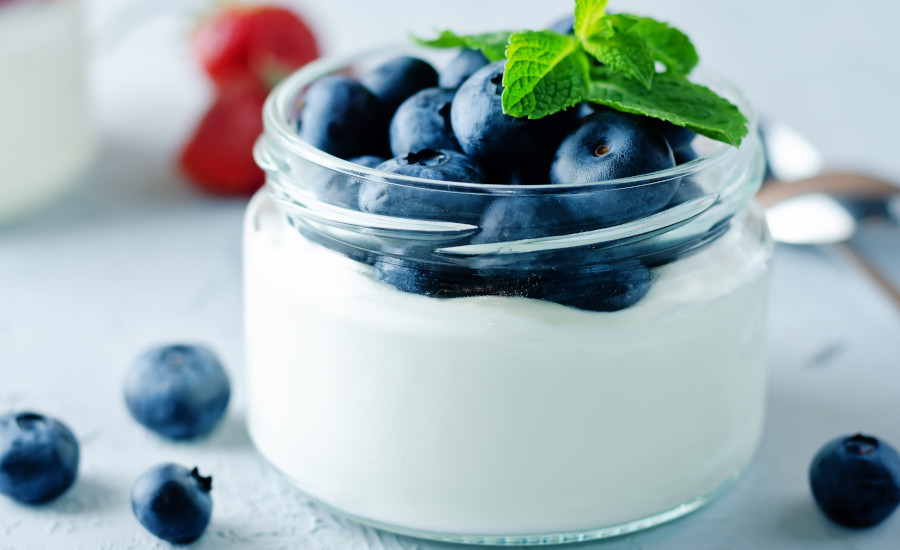
“Consumers are looking to maximize their protein intake according to an FMCG Gurus survey of 56% of global consumers who have switched from traditional snacks such as chocolate and confectionery to high protein/low sugar alternatives in 2021,” he reveals. “This trend supports consumers' strong interest in high-protein low-sugar spoon yogurt and dairy beverages.”
Choline is an essential brain nutrient that has gained popularity over the past few years, having gained inclusion in dairy products like Horizon Organic’s Growing Years milk and Ingenuity Foods’s Brainiac yogurt, which has highlighted the importance of choline for children.
“As children age, their adequate intake for choline increases from 200mg/day in the 1- to 3-year demographic, to 250mg/day for 4 to 8 year olds and 375 mg/day for 9 to 13 year olds,” says Balchem Inc.’s Tom Druke, director of Marketing, VitaCholine. “Foods that contain naturally occurring choline like liver, fish, wheat germ and brussel sprouts are not typical staples for kids. Fortified dairy products are a great carrier for choline.”
Changes in the plant-based market could also alter future formulations, relays Joe O’Neill, vice president of sales and business development for A&B Ingredients.
“Currently, plant-based dairy is dominated by soy and wheat-based products. However, dairy manufacturers should know that pea proteins offer important nutritional and functional benefits,” he says. “Pea proteins have low anti-nutritional factors and low allergenicity compared to soy and wheat, making them one of the most tolerated and accepted protein sources on the market.”
The aforementioned probiotic category continues to grow rapidly. There are currently about 350 probiotic trials registered on www.ClinicalTrials.gov that are recruiting or not yet recruiting, more than two times that for Omega-3 and about 10 times that for the popular dietary ingredient ashwagandha, reveals Marshall Fong, senior global marketing manager, active living, Fonterra.
“We recently conducted a CARAVAN survey on 1,011 U.S. adults and found that while digestive health remains a key reason for probiotic use, with 65% of consumers listing that as why they use probiotics, many consumers are using probiotics for other concerns, 35% for immunity, 20% for weight management, 19% for better skin, 18% for mood/stress and 12% for feminine-related concerns,” says Fong.
Specialty rice ingredients and faba bean protein could also carve an important niche in the future, due to purported benefits including being versatile and easy to use in dairy-free food and beverage products.
“For example, BENEO’s rice starch, dried rice syrup, and faba bean protein concentrate work together to create a dairy-free gourmet coffee creamer,” states Gumeny. “Rice is neutral in taste and can be easily combined with a variety of different flavors. Dried rice syrup adds back some sweetness to this product, and rice starch delivers the creamy mouthfeel and stability desired by consumers looking for a plant-based addition to their morning coffee.”
High hopes for hybrid?
Hybrid products — foods containing both dairy and plant-based proteins — have seen significant growth in recent years. But what does the future hold for these products?
Experts have differing viewpoints. For example, Mark Fahlin, business development, Cargill, states the “jury’s still out” on this one.
“For a couple of years, hybrid products were growing in popularity. In large part, that was because the slate of plant proteins available limited what we could do, especially in terms of protein content,” he says. “Now that we’ve made strides in the botanical protein space, I’m not sure these hybrid products will gain a foothold in the marketplace.”
Given the nutritional completeness of dairy proteins, complementing dairy foods with plant proteins doesn’t have a compelling purpose in the marketplace, adds Sherwin. And similarly for taste and texture, dairy foods are built on practices perfected over millennia.
“There also are some operational complexities to bringing in plant proteins to a dairy production environment, whether it be spore count or allergens,” he says. “I think it’s more likely that hybrid products arise not from dairies but from plant-based brand owners to grab share from the dairy consumer holdouts who don’t want to compromise on taste and nutrition but still are compelled by the sustainability story offered to plant-based.”
Provided consumers who are flexitarians accept hybrid products, brands blending plant-based ingredients with milk protein and novel nutritional ingredients can lead to new opportunities in the dairy nutritional space.
The challenge with plant-protein dairy products is that consumers associate animal-free diets with many benefits but are concerned about missing nutrients, notes Linda May-Zhang, Ph.D., research, science, innovation officer at Blue California.
“This opens doors for brands to leverage fortification opportunities in the plant-based dairy market,” states May-Zhang. “With fortified products, off-tastes present another challenge. It is important for brands to focus on taste modulation to create great-tasting products for repeat purchases. The solutions are available for tackling this challenge.”
Fong believes that hybrid products will have a presence in the future as more and more consumers are embracing hybrid diets that include both dairy and plant-based proteins.
Adds Renee Beall, director of marketing, food and beverage, Balchem, hybrid products will be an expanded area going forward with brands recognizing that consumers may want “the best of both worlds.” For example, many want to eat more plant-based foods but may not like the taste as much.
“A hybrid product lets them do something a little bit better for themselves and the world, without fully sacrificing the delicious taste and sensory experience that comes with traditional dairy,” Beall reveals. “In fact, we recently conducted consumer research looking at interest levels in a hybrid (half dairy, half non-dairy) ice cream. Over a third expressed a high level of interest, with men preferring the option (45%) more than women (28%).”
Glaser adds dairy hybrid products have the benefit of dairy flavor, reduced animal-product consumption, increased protein, and potential for lower cost in comparison to plant-based alternatives increases its relevancy on store shelves.
“The sustainability factor is a plus for those wanting to reduce their overall consumption of dairy, without fully giving it up,” Glaser notes.
Plant-based ingredients is a relatively new segment, so achieving production excellence is still a big challenge for plant-based formulations, adds Rutten. Regardless of a manufacturer’s legacy or scale in this category, achieving the ideal nutritional profile while remaining sustainable and affordable can be difficult.
“Additionally, taste and texture will always be the No. 1 priority for consumers. Plant-based proteins can often impart ‘beany’ or other off notes that will deter consumers, especially flexitarians who can choose between both plant- and dairy-based applications,” he says.
To overcome these challenges, it’s important for brands to source specialized application expertise at the right time in the development process.
“This is why we recently restructured to give manufacturers access to a one-stop-shop partner that provides application expertise and scientifically backed solutions that address all challenges related to taste, texture, and health,” Rutten states.
How to grow the market
When it comes to formulating ingredients and respective technologies, the future certainly looks promising. But where will its growth be derived from?
Look no further than flavors, says An Ho, research and development director for IFPC.
“A local brand from another industry showing up in a dairy product will spark interest and capture the attention of grocery shoppers,” says Ho. “Whether it is their favorite pie or cookie from down the street, bringing local fare to the dairy cases can be important in customer retention.”
Beyond plant protein’s often imperfect match to dairy sources, precision fermentation is also making animal-free dairy ingredients a reality, Novozymes’ Sherwin says.
“This revolution challenges dairy companies to sharpen the key differentiators they can deliver in their products, but also rethink the unique position they can most effectively take, as the value chain is disrupted with these animal-free alternatives. Are they offering cultural staples wrapped in tradition, unmatched taste, unique nutritional value, and connection to the land and to history?”
Cargill’s Fahlin also sees precision fermentation as a potential game-changer. In the conventional dairy space, he sees opportunities for “over-the-top” indulgent products: beverages, yogurts, and ice creams that “ooze luxury and decadence.”
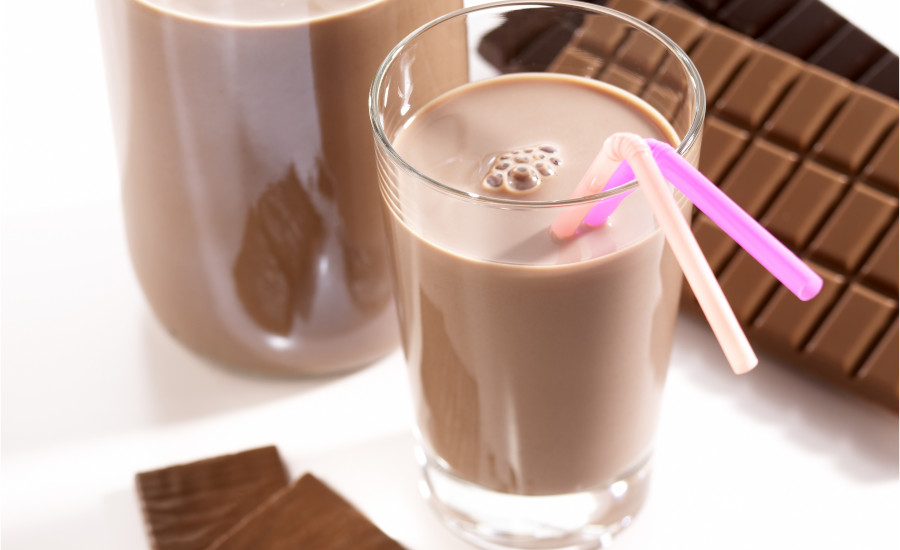
“By the same token, there’s also room for another innovation avenue focused on reducing sugar,” he notes. “Take chocolate milks: they’re terrific products, but the sugar content can be really high. To me, that’s the Achilles’ heel of an otherwise delicious, convenient, and healthy product. The same holds true for yogurts and ice creams. There’s a consumer segment interested in getting those sugar levels down.”
Brands need to consider an opportunity for value-added products with protein, fiber, and probiotic enrichment, adds A&B Ingredients’ O’Neill.
“Plant-based probiotic enrichment with PA5051, vegan probiotic, allows for strong health and immunity claims and marketing opportunities when educating consumers about the product’s benefits,” he asserts. “Also, manufacturers need to continue reformulating for a shorter label and replacing synthetic ingredients with natural alternatives.”
Mood support, stress reduction, sleep, and mental focus should remain a major focus, continues Balchem’s Beall.
“Formulators should look to add functional ingredients with purpose, those that satisfy a key consumer driver, with an attractive cost per serving impact, and without a negative impact on taste, shelf-life or labeling. Brands can differentiate and offer the consumer something more,” Beall mentions.
Beyond ingredient and product innovation, one fundamental industry need is to increase awareness of the sustainability of dairy products and the health benefits available from ingredients derived from dairy.
“Our customers are increasingly using sustainability claims associated with our low-carbon footprint New Zealand dairy farming, building on our heritage of being a grass-fed, pasture-raised operation,” says NZMP’s Fong. “There’s been strong interest in our carbon-zero butter, and we’re working to extend that distinction to other products and ingredients in our portfolio.”
Dairy products are known for their wonderful flavor and nutrition, but allergies and lactose are increasingly a concern for some. Lactose-free dairy has potential for growth in the market, regardless of if real dairy or bioengineered dairy consumers want to have confidence in what they are eating, asserts ICL Food Specialties’ Glaser.
“Sustainable ingredients are necessary to turn away the negative perception of dairy products. Minimal processing, limited ingredient labels, and products that maintain stability during shelf-life continue to increase consumers’ interest, but the functionality is still key, which is why we continue to utilize phosphates in dairy products,” Glaser relays.
The possibilities are endless with ingredient innovation, and processes such as ultra-filtered milk to reduce lactose are just the beginning, Blue California’s May-Zhang concludes.
“Replacing artificial preservatives in dairy products to extend shelf-life should be a priority for dairy brands. Food and beverage preservation with non-synthetic preservatives will help brands with a more natural position.”
Looking for a reprint of this article?
From high-res PDFs to custom plaques, order your copy today!