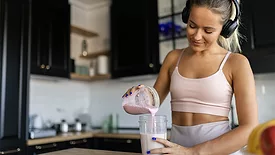
With the 2026 Winter Olympics taking place this month and the upcoming FIFA World Cup, cultured dairy is playing an important part in athletes' training and recovery. Protein-packed products are in high demand.
The healthfulness of ultra-processed foods often sparks debate, particularly regarding the definitions of "hyper-palatable." Many associate these foods with being unnatural and inherently unhealthy, overlooking scientific considerations to the contrary.
As individuals eat, two processes occur: satiation and satiety. Satiation is the gradual feeling of fullness during a meal, influenced by factors like sight, smell, and texture. Satiety, explained by Mary Wilcox, is the satisfied state after finishing a meal.
Milk consumption appears to be rebounding, with the Dairy Milk category seeing a 3% increase in dollar sales to $17.7 billion. Similarly, the Refrigerated White Dairy Milk subcategory reported a 3% rise to $15.8 billion. While unit sales remained flat, this growth in revenue suggests a renewed consumer interest in milk.
Normally, I run my predictions for the upcoming year in January. This year, I'm doing it in February, and I will summarize many of the prediction trends I have seen throughout the industry. Many of the experts have a great story about the future to tell.
Foreign material recalls in dairy products can significantly undermine consumer trust and result in financial losses. A recent survey indicates that confidence in U.S. food safety has declined, particularly among Gen Z and certain demographic groups. However, advances in detection technologies are helping companies identify and address contamination issues before they reach consumers.
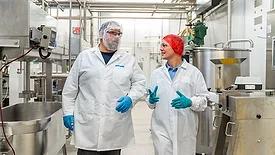
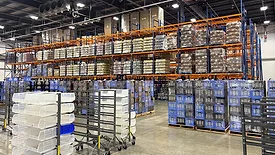
Our trip to Smith Brothers Farms included two stops: one was a visit to the Kent, Wash., plant, where the company processes milk. Following this visit, we traveled 20 minutes to Federal Way, Wash., to check out the company’s distribution center, the origin of all Smith Brothers Farms’ home delivery services, which is the pillar of many communities.
 RSS
RSS