Food sourcing and traceability edges closer to becoming a requirement
Consumers want to know where their products come from, but tracing origins can be a tricky process.
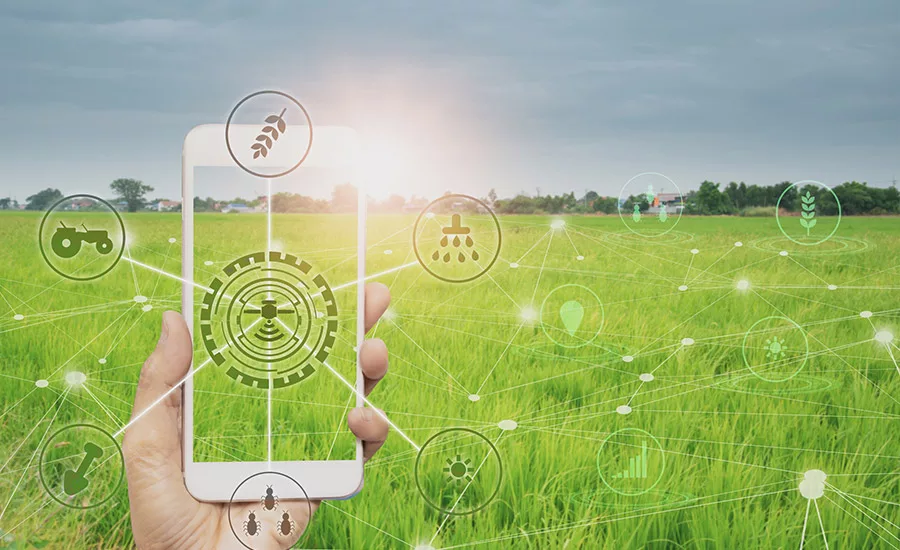
Photo courtesy of: phuttaphat tipsana / iStock / Getty Images Plus
When it comes to consumer demand for sourcing and traceability of dairy products, the word “transparency” looms large. Transparency regarding not only food safety, but consumers wanting to know ingredients in products they consume are properly sourced and traced.
“Consumers desire a connection to the food they eat and the communities they support,” according to Chicago-based ADM.
Food traceability refers to the ability to “track a food product’s journey through all stages of production, processing, and distribution, including the monitoring of raw materials,” according to RFgen. “This includes tracking the origin of ingredients, how the food was processed, where it was stored, and how it reached the consumer.”
The El Dorado Hills, Calif.-based company adds food traceability is crucial for several reasons including enhancing “food safety by enabling quick identification and removal of contaminated products; building consumer trust by providing transparency about food origins and production methods; and helping companies comply with increasingly strict food safety regulations. [It also] improves supply chain efficiency and protects brand reputation by enabling quick and effective responses to food safety incidents.”
Sara Bratager, senior food safety and traceability scientist at the Global Food Traceability Center at IFT (Institute of Food Technologists), cites research from Purdue University which demonstrates that many “consumers are interested in where their food was packaged, processed, produced or harvested, according to “The Future of Traceability and Transparency in the Food System.”
“That said: interest doesn’t always translate to purchasing decisions. Willingness to pay for traceable products remains highly variable across consumer segments,” Bratager says, citing “How do consumers value food traceability? — A meta-analysis,” from ScienceDirect.
“It’s also important to note that traceability is not inherently equivalent to consumer transparency. While consumers may not always have access to detailed traceability data, they still benefit from robust traceability systems,” the IFT executive stresses. “These systems are critical for food safety, enabling companies to quickly identify, isolate, and respond to potential contamination events, often before food products hit consumer shelves.
“In this way, traceability plays a foundational — though often invisible — role in protecting public health, even for consumers who may not actively seek out sourcing information,” Bratager continues.
What to expect when tracing ingredients
Sourcing ingredients is not a simple task. “The difficulty of tracing ingredients varies across supply chains and food products. Food products that move through supply chains with a complex web of actors, diverse data systems, or limited digital infrastructure can be more difficult to trace,” Brateger reveals. “The structure of a supply chain can also impact complexity. In dairy supply chains, for example, raw milk from numerous farms is often collected in a single tanker that will then be commingled with other tankers at processing facilities, making it challenging to maintain a clear record of origin.”
Dairy processors considering end-to-end traceability of ingredients can expect to partake in three primary steps, according to Chicago-based IFT:
- Identifying what data needs to be captured and at which points in the supply chain (these are called Critical Tracking Events and Key Data Elements)
- Capturing and maintaining those data elements at each event
- Sharing relevant data with supply chain partners or other data beneficiaries in a usable format
“Several factors complicate this process, particularly in agricultural supply chains. Limited access to digital tools, lack of broadband connectivity, and non-interoperable systems can all hinder data capture and exchange, especially at the farm-level,” Bratager tells Dairy Foods. “While digital interoperability is improving across the industry, widespread gaps remain. Traceability is far more achievable when companies invest in interoperable tools, collaborate closely with suppliers, and embed traceability into existing sourcing and quality programs.”
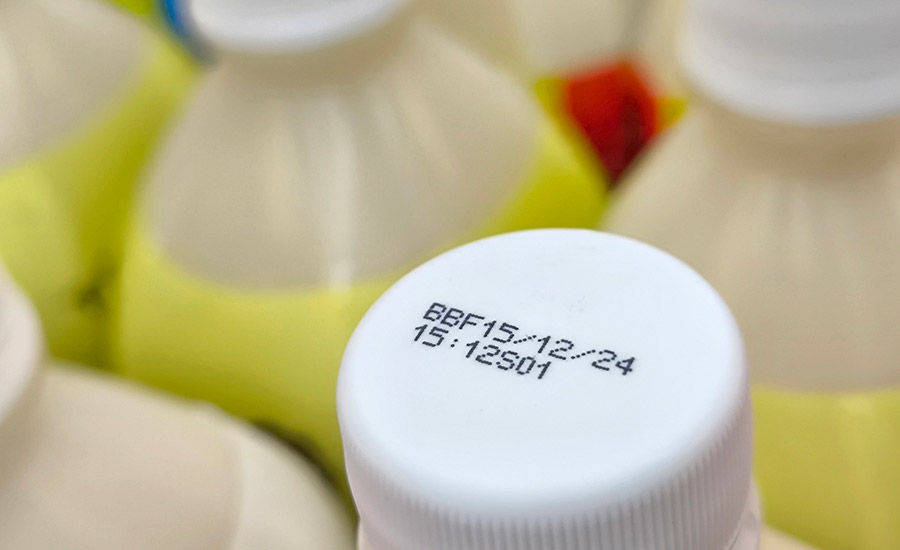
However, IFT adds robust traceability systems can provide a wide range of benefits for both the private sector and public well-being, including:
- Food safety and risk management: Traceability enhances recall readiness, strengthens food safety and quality programs, and helps companies meet regulatory requirements.
- Operational efficiency: It can help identify bottlenecks, inefficiencies or losses in the supply chain.
- Market access: Certain buyers, certification programs, and export markets require sourcing documentation.
- Sustainability and ESG (environmental, social, governance) initiatives: Traceability can support tracking of environmental metrics like greenhouse gases (GHGs) or antibiotic use.
- Brand trust and differentiation: Verified sourcing claims can support marketing, especially with values-driven consumers.
Meeting emissions standards
For an increasing number of dairy processors looking to curb GHG emissions, traceability is vital.
“You can’t reduce what you can’t measure, and to measure greenhouse gas emissions effectively, you need to understand your full supply chain. That’s where traceability comes in,” Bratager stresses. “By mapping where ingredients originate, how they move, and who is involved, companies can more accurately assess emissions at each stage, from farm to distribution.”
IFT suggests additional traceability benefits:
- When traceability data is aggregated with environmental data, companies can better analyze their position and align decision making with GHG goals. This data can be used to:
- Attribute emissions to specific supply chain stages (e.g., on-farm vs. transportation vs. processing)
- Differentiate between suppliers based on emissions profiles
- Promote or incentivize low-emissions practices such as managed grazing or improved manure management.
“Granular visibility is essential for meeting emissions targets, and traceability provides the backbone for that visibility,” Bratager relays.
FDA Traceability Final Rule
Beyond consumer demand for sourced and traced ingredients, government requirements also come into play. An important date in the future of traceability is Jan. 20, 2026. This marks the compliance date for all persons subject to the recordkeeping requirements under the U.S. Food and Drug Administration (FDA) final rule on Requirements for Additional Traceability Records for Certain Foods (Food Traceability Final Rule).
According to the FDA, the Food Traceability Final Rule “establishes traceability recordkeeping requirements, beyond those in existing regulations, for persons who manufacture, process, pack or hold foods included on the Food Traceability List (FTL). The final rule is a key component of FDA’s New Era of Smarter Food Safety Blueprint and implements Section 204(d) of the FDA Food Safety Modernization Act (FSMA). The new requirements identified in the final rule will allow for faster identification and rapid removal of potentially contaminated food from the market, resulting in fewer foodborne illnesses and/or deaths.”
Bratager stresses that many dairy processors will “fall outside the scope of the Food Traceability Rule as the rule covers only a narrow swath of dairy products.” However, for those handling items included on the Food Traceability List, such as certain soft ripened or raw milk cheese, compliance by Jan. 20 is required and centers on a few key components:
- Capturing and maintaining the Key Data Elements (KDEs) at the applicable Critical Tracking Events (CTEs) specified by the rule
- Sharing relevant data with trading partners
- Developing a written traceability plan

The IFT executive adds that even for exempt products, many processors are proactively adopting FSMA 204-aligned systems. “This positions them to respond to future regulatory changes, meet customer expectations, and improve overall food safety readiness,” Bratager notes.
Future of Traceability
RFgen cites several trends that will shape the future of food traceability:
- Increased granularity: Traceability systems will move beyond tracking batches and lots to tracking individual items, providing even greater precision and transparency. This granular level of detail will empower consumers to access comprehensive information about the specific products they purchase.
- Enhanced transparency and real-time visibility: Consumers will demand even greater transparency and access to real-time information about their food. Technologies like Internet of Things and blockchain will enable companies to provide up-to-the-minute updates on product location, condition, and other relevant data. Effective food traceability systems will enhance supply chain transparency, facilitating informed decision-making and improving consumer trust.
- Predictive analytics and artificial intelligence (AI): AI and machine learning will play an increasingly important role in analyzing traceability data to identify patterns, predict potential problems, and optimize supply chain operations. This predictive capability will enable proactive interventions to prevent foodborne illnesses and improve efficiency.
- Consumer empowerment and personalized experiences: Traceability data will be used to create personalized experiences for consumers, providing tailored information about product origins, nutritional value, and potential allergens. This personalized approach will empower consumers to make informed choices that align with their individual needs and preferences.
- Greater collaboration and data sharing: Collaboration and data sharing across the entire food supply chain will become even more critical. Interoperable systems and standardized data formats will facilitate seamless information exchange between different stakeholders, enhancing transparency and efficiency.
- Focus on sustainability and ethical sourcing: Traceability will play a key role in supporting sustainable and ethical sourcing practices. Consumers are increasingly interested in the environmental and social impact of their food choices, and traceability provides a way to verify claims about fair trade, organic production, and other ethical considerations.
Brateger concludes that investing in traceability is a good idea for any dairy processor. “Across the industry, processors that have invested in traceability — whether for regulatory, sustainability, or quality reasons — tend to see benefits in efficiency, brand value, and risk mitigation. The most successful efforts are those where traceability isn’t treated as a siloed compliance requirement, but as an integrated part of how the business operates.”
Looking for a reprint of this article?
From high-res PDFs to custom plaques, order your copy today!


