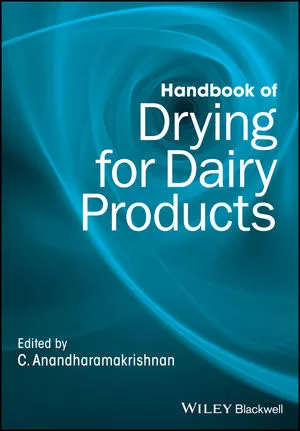
Membrane technology: Center for Dairy Research reveals emerging trends and key developments
For membrane technology professionals, the CDR's work offers valuable insights into optimizing system performance, implementing new filtration solutions and improving product quality.
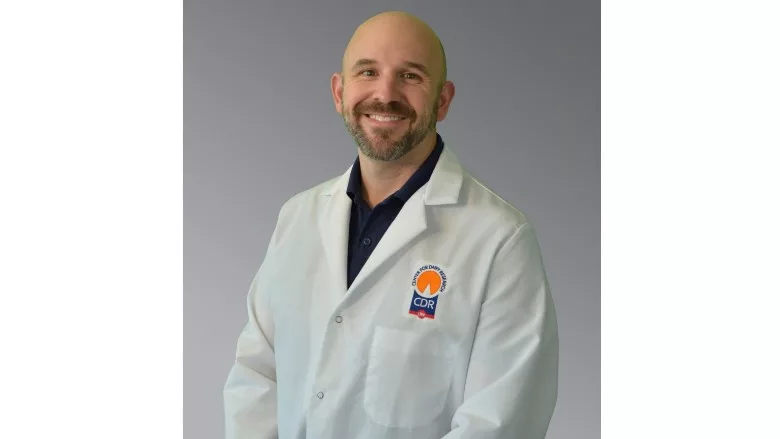
Dr. Daniel Wilbanks, coordinator of the Dairy Products and Processing Team at CDR
Membrane technology is evolving rapidly within the dairy production industry, and operators are looking to improve overall efficiency, system performance and product functionality. The Center for Dairy Research at the University of Wisconsin-Madison serves as a hub for applied dairy science, providing research, technical expertise and training to help processors navigate innovations within this sector.
In this Q&A, Dr. Daniel Wilbanks, coordinator of the Dairy Products and Processing Team at CDR, discuses emerging trends, research priorities and advances in membrane technology applications.
Dairy Foods: The Center for Dairy Research has long been a leader in membrane technology. What recent research or innovations at CDR are helping operators optimize milk protein separation or filtration processes?
At CDR, we’re very interested in finding new applications for different milk fractions. For example, we’ve recently worked with demineralized microfiltered milk (micellar casein) and ultrafiltered milk (milk protein concentrate) to improve solubility, heat stability, and emulsification in the demineralized protein. There are interesting applications for demineralized milk proteins in cheese, but also in other dairy sectors like yogurt and beverages.
Dairy Foods: How are advances in membrane technology impacting cheese and whey production, and what practical benefits are operators seeing?
A lot of focus from suppliers recently has been on improving membrane performance, like increasing throughput (flux) and reducing downtime for CIP.
Dairy Foods: Consumer demand for high-protein and functional dairy ingredients continues to grow. How is CDR supporting the development of these products through membrane applications?
We’re also interested in combining various filtration streams to produce highly functional dairy ingredients for different applications. As an example, microfiltration or ultrafiltration can produce a high protein milk for greater cheese yields, and the filtration process produces a large volume of MF or UF permeate. That permeate can be further filtered to separate lactose from the minerals, and the lactose and/or minerals can be re-introduced (at different concentrations) back into the concentrated milk to ultimately change the properties of the cheese, yogurt or beverage that is being produced
Dairy Foods: What challenges do dairy processors face when implementing membrane technologies at scale, and how is CDR helping to address them?
The capital cost of installing a filtration system is decreasing, but is still high and is a barrier for many small-medium processors looking to implement it. Operational costs are decreasing as well, as the technology continues to mature and efficiencies are found. CDR is primarily focused on finding new applications for filtered products, which would increase the value of dairy solids and make it easier for processors to justify the investment.
Dairy Foods: Looking ahead, are there any exciting projects or emerging trends at CDR that you believe will influence the future of dairy membrane technology?
Ultrafiltration is still the workhorse of the dairy industry, but microfiltration is increasingly seeing more interest. Microfiltration can separate casein from whey proteins, which makes it the ideal choice for concentrating milk for making cheese, though regulatory hurdles exist for using MF in some cases. The permeate from MF contains whey proteins which can be concentrated with ultrafiltration, and this whey protein fraction derived from milk is functionally different from whey proteins typically captured from the cheese-making process. I think MF will continue to see increased interest from researchers and application scientists, and this could have huge impacts on the dairy industry into the future.
To learn more about membrane technology
For expert insights into the latest advancements, applications, and innovations in membrane technology, register to attend the Membrane Technology Forum 2026, organized by Dairy Foods magazine and the American Dairy Products Institute. This premier event will take place from June 15–17, 2026, at the DoubleTree by Hilton Bloomington Minneapolis–South in Minneapolis, Minn. The forum brings together industry leaders, researchers and professionals to explore cutting-edge solutions and trends shaping the future of dairy processing.
Learn more and register: dairyfoods.com/membrane-forum
Looking for a reprint of this article?
From high-res PDFs to custom plaques, order your copy today!