Dairy Foods logo
search
cart
facebook twitter linkedin youtube
  • Sign In
  • Create Account
  • Sign Out
  • My Account
Dairy Foods logo
  • NEWS
    • DAIRY REGULATIONS
  • PRODUCTS
    • New Products
    • Butter
    • Cheese
    • Cultured Dairy
    • Frozen Desserts
    • Ice Cream/Novelties
    • Milk
    • Non-Dairy Beverages
    • Sales Data
    • Whey, Milk Powder
    • Dairy Alternatives
  • INGREDIENTS
    • Cocoa
    • Colors/Flavors
    • Cultures/Enzymes
    • Fiber
    • Gums, Stabilizers, and Texturants
    • Inclusions
    • Omegas/Lipids
    • Prebiotics
    • Probiotics
    • Sweeteners
    • Other
  • OPERATIONS
    • SUSTAINABILITY
    • Equipment
    • Processing
    • Packaging
    • Food Safety & Sanitation
    • Membrane Technology
  • MEDIA
    • Dairy Foods TV
    • Podcasts
    • Webinars
  • DIRECTORIES
    • Buyers Guide
    • Dairy Plants USA
  • MEMBRANE FORUM
  • MORE
    • Associations
    • Dairy Foods' News & Views Newsletter
    • Blogs
    • Case Studies
    • Classifieds
    • Custom Content & Marketing Services
    • Dairy Foods Store
    • Market Research
    • Supplier Spotlights
    • Tradeshows and Events
    • Strategy Guides
  • AWARDS
    • Dairy Plant of the Year Award
    • Breakthrough Award
    • Dairy Processor of the Year
  • EMAGAZINE
    • eMagazines
    • Archive Issues
    • Contact
    • Advertise
    • SIGN UP!
    • Columnists
    • Dairy 100
    • State of the Industry Report
    Dairy Foods & BeveragesDairy Foods ColumnistsCheese

    What are protective cultures and other bio-preservative approaches?

    Yogurt and cottage cheese could benefit from bio-preservation to reduce spoilage.
    By John A. Lucey Ph.D., Director, Center for Dairy Research
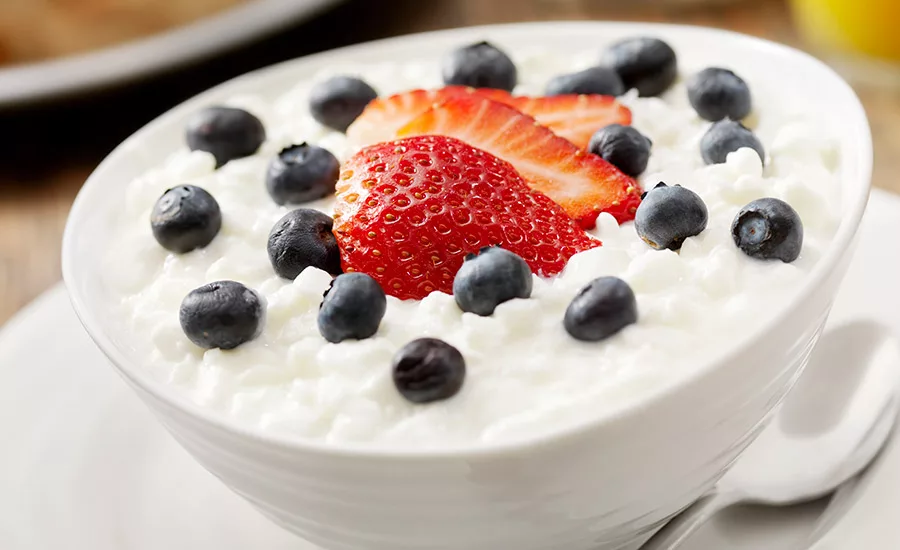
    bowl of cottage cheese with strawberries and blueberries on top

    Photo by LauriPatterson / E+ / Getty Images

    April 11, 2025
    John Lucey

    John A. Lucey is a professor of food science at the University of Wisconsin, Madison, and the director of the Center for Dairy Research.

    Protective cultures are an emerging and growing area in the food industry, including for use in dairy products. Among other benefits, they can help reduce food waste and spoilage. In yogurt and cheese applications, we use starter cultures to produce lactic acid. However, protective cultures aren’t added to produce acid and help with the fermentation; they instead can provide some degree of protection against pathogens and spoilage organisms. 

    There are a couple of ways that protective cultures work (i.e., bio-preservation). One of these mechanisms is that protective cultures can produce short chain organic acids, like propionic or acetic acids, that are inhibitory to other unwanted organisms. This can be a more label friendly approach favored by some consumers, instead of adding organic acids directly as separate ingredients during food processing. Metabolites from bacteria that have antimicrobial activity also include hydrogen peroxide, acetoin and diacetyl. 

    Another mechanism that some types of protective cultures use is the production of bacteriocins, which are inhibitory proteins/peptides that can kill or inhibit other bacteria. They can also be considered a natural food preservative. Presumably, bacteria developed this ability to produce bacteriocins because it allows them to better compete for spaces and nutrients with their local bacterial competitors. This is an example of the competitive exclusion approach.
     
    These bacteriocins often act by disrupting the bacterial cell membrane, or the integrity of the cell wall, and are generally considered safe ingredients, if they are derived from common lactic acid bacteria. Nisin is the most widely used (isolated) bacteriocin ingredient and nisin is effective when added at low concentrations against a range of gram-positive pathogens like Listeria monocytogenes. Other types of bacteriocins (e.g., reuterin) have also been investigated as antimicrobial agents in dairy products. 

    The effectiveness of these bioprotective approaches depends on the level of microbial contamination as they have the potential to slow or delay further contamination or growth (e.g., during handling or storage) but are much less effective if the initial level of contamination is very high. Some commercial protective cultures target yeasts and molds to help extend the shelf life and reduce off-flavor development in fresh dairy products. These are sometimes used as potential alternatives to antifungal ingredients like sorbates. 

    Another bio-protective approach is the use of fermentates, where the bacteria are usually removed or inactivated after an initial fermentation process and the supernatant, or fermentation mixture (if the inactive bacteria are included), is used as an antimicrobial in a food application. These fermentates may contain organic acids (e.g., lactic, propionic), bacteriocins, and other bacterial metabolites. Suppliers have developed various types of fermentates, which would need to be tested for their effectiveness in different types of applications. High usage levels can be an issue if the fermentates contain shorter chain organic acids due to their impact on the sensory properties of the food. 

    Researchers here at the University of Wisconsin-Madison, specifically Dr. Kathy Glass, have researched fermentates and how they can be used in different dairy products to inhibit unwanted organisms. Another research project taking place at the university is being led by Dr. Tu-Ahn Huynh of the Department of Food Science. Her lab is investigating wood boards used for cheese aging. Interestingly, Dr. Huynh’s lab has found that when some cheese varieties are aged on wood boards, certain unusual types of bacteria can be isolated that are inhibitory against Listeria. The discovery of additional types of protective cultures is an ongoing research focus. 

    Fresh dairy products like yogurt, cottage cheese and cheeses that are considered riskier for contamination or spoilage (e.g., those with high pH and moisture content) are the most common choices for the use of protective cultures or other bio-preservative approaches. 

    One thing to keep in mind if using these bio-preservative cultures is that they need to be tested to ensure that they do not inhibit starters, desirable gas formers in eyed cheeses, and/or flavor producing adjuncts. 

    Finally, it’s important to emphasize that these bio-preservative approaches are meant to be used as an additional hurdle step in the production of safe and high-quality products. They can provide additional protection to dairy products. They are not a substitute if the dairy plant uses poor quality ingredients, lacks good sanitation practices, or uses improper storage temperatures. Protective cultures and bio-preservatives have become more popular as they are viewed as a clean-label ingredient, which can be attractive to consumers. They appeal to consumers as a more “natural” ingredient that can help the dairy industry produce high-quality, safe products.

    KEYWORDS: Center for Dairy Research dairy food safety lactic cultures listeria microbial testing starter culture

    Share This Story

    Looking for a reprint of this article?
    From high-res PDFs to custom plaques, order your copy today!

    John lucey phd

    John Lucey, Ph.D., is the Owen R. Fennema Professor in Food Chemistry at the University of Wisconsin-Madison’s Center for Dairy Research.

    Recommended Content

    JOIN TODAY
    to unlock your recommendations.

    Already have an account? Sign In

    • Lifeway Organic Kefir in different flavors inside a refrigerated grocery shelf.

      Dairy Foods names Lifeway Foods 2025 Processor of the Year

      Lifeway Foods donates $10,000 to wildfire victims,...
      Dairy Foods & Beverages
      By: Brian Berk
    • Two female farmers are standing in a field, holding a large milk canister, looking at several cows at dairy farm.

      Honoring Women Leaders Shaping the Dairy Industry

      For the fourth consecutive year, Dairy Foods is proud to...
      Dairy Foods & Beverages
      By: Barbara Harfmann
    • Main feature for State of the Industry with dairy products album cover with a gradient circular--patterned backgorund.

      2025 State of the Dairy Industry

      Welcome to the 2025 State of the Industry report. For...
      Cheese
    Manage My Account
    • eMagazine Subscription
    • Dairy Foods News & Views Newsletter
    • Online Registration
    • Manage My Preferences
    • Subscription Customer Service
    • Connect with Dairy Foods

    More Videos

    Popular Stories

    Close up of a whipped frozen dessert with a light green color.

    The keys to high-protein dairy formulations

    A row of Frios Gourmet Pops with a tie dye pattern as a background.

    How Frios Gourmet Pops delivers happiness

    Grilling foods

    Dairy’s Enduring Moment: Why Resilience and Renewal Define Today’s Dairy Story

    Nominate your product for the 2026 Dairy Foods Product of the Year!

    Products

    Probiotic Ice Cream: Science and Technology

    Probiotic Ice Cream: Science and Technology

    See More Products

    Outlook Report: Women in Dairy

    Related Articles

    • ingredient house

      The Ingredient House & Soyuzsnab’s freeze-dried starter, probiotic and protective cultures

      See More
    • DuPont Nutrition & Health Introduces a New Generation of Protective Dairy Cultures

      See More
    • DuPont introduces a new generation of protective dairy cultures

      See More

    Related Products

    See More Products
    • tech inv.jpg

      Technological Interventions in Dairy Science: Innovative Approaches in Processing, Preservation, and Analysis of Milk Products

    • yogert and other.jpg

      Development and Manufacture of Yogurt and Other Functional Dairy Products

    • handbook.jpg

      Handbook of Dairy Foods and Nutrition, 3rd Edition

    See More Products

    Events

    View AllSubmit An Event
    • November 11, 2025

      Membranes: Innovative Approaches to Boosting Production

      On-Demand This session will explore how membrane systems work and how cleaning and sanitation can unlock new levels of production efficiency. The discussion will cover strategies to optimize operations, reduce downtime, and enhance sustainability. Expert presenter Rachel McGiness will share innovative approaches and real-world applications, offering practical insights to support improved performance. 
    View AllSubmit An Event

    Related Directories

    • bioMérieux Inc.

      bioMérieux helps dairy manufacturers accelerate product release, reduce risk, and improve operational efficiency through rapid microbiology, risk-based environmental monitoring, and advanced genomic analytics. From aseptic processing to Listeria control and root cause investigations, we enable faster decisions and greater confidence in product quality and safety.
    • Vivolac Cultures Corp.

      For over 50 years, Vivolac Cultures Corporation has remained a quality manufacturer of bacterial cultures. We specialize in providing innovative solutions and superior technical support for all your cultured product needs.
    ×

    Stay ahead of the curve. Unlock a dose of cutting-edge insights.

    Receive our premium content directly to your inbox.

    SIGN-UP TODAY
    • RESOURCES
      • Advertise
      • Contact Us
      • Directories
      • Store
      • Want More
    • SIGN UP TODAY
      • Create Account
      • eMagazine
      • Newsletter
      • Customer Service
      • Manage Preferences
    • SERVICES
      • Marketing Services
      • Reprints
      • Market Research
      • List Rental
      • Survey/Respondent Access
    • STAY CONNECTED
      • LinkedIn
      • Facebook
      • YouTube
      • X (Twitter)
    • PRIVACY
      • PRIVACY POLICY
      • TERMS & CONDITIONS
      • DO NOT SELL MY INFORMATION
      • PRIVACY REQUEST
      • ACCESSIBILITY

    Copyright ©2026. All Rights Reserved BNP Media, Inc. and BNP Media II, LLC.

    Design, CMS, Hosting & Web Development :: ePublishing