How can membrane technology benefit yogurt production?
Membrane technology solutions align with yogurt purchasing trends.
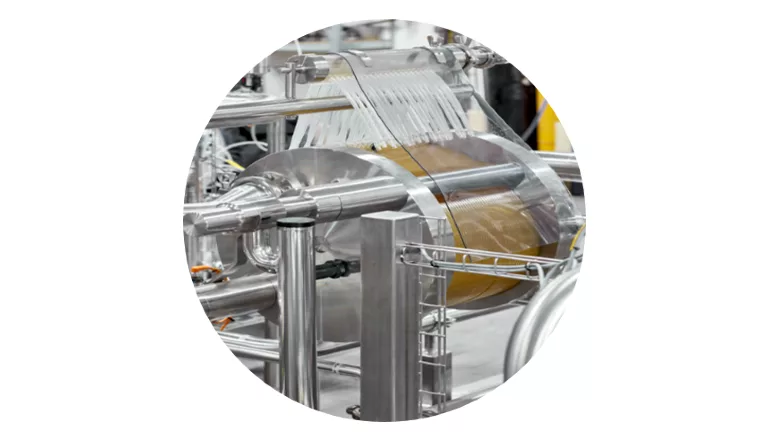
Photo credit: GEA
Ultrafiltration and reverse osmosis solutions are becoming increasingly attractive to yogurt producers. While ultrafiltration enables yogurt producers to optimize protein and fat content and reduce production needs for powder-based additives, reverse osmosis aids in acid whey management and water recovery. As more producers seek out clean-label, innovative products, membranes are emerging as an ideal solution for yogurt producers. Yogurt producers are especially turning to membrane technology solutions to improve product taste, texture, concentration and purification, as well as strained yogurt production efficiency.
GEA has deep experience in cross-flow membrane filtration and its applications within yogurt production; the company offers a range of membrane technology solutions specifically designed for the dairy industry including ultrafiltration, nanofiltration, microfiltration and reverse osmosis.
Shanti Bhushan, lead process development engineer for GEA, recently sat down with Dairy Foods magazine to discuss vital considerations for yogurt processors implementing membrane technology, evolving trends in membrane technology for yogurt production and much more.
Dairy Foods: How can dairy processors utilize membrane technology to optimize yogurt production?
Shanti Bhushan: Dairy processors can optimize yogurt production by using membrane technology to replace traditional concentration processes thereby reducing protein losses and increasing yield. Membrane filtration systems offer flexibility in handling various yogurt types and compositions, as well as different flow rates, without losing fat to the whey, unlike traditional methods. Spiral wound membranes for low solids concentrations, followed by plate and frame membranes at higher concentrations, create a hybrid arrangement that optimizes costs, efficiency, and footprint, making it a versatile and efficient method for yogurt concentration.
 Spiral Wound Membranes. Photo courtesy of GEA
Dairy Foods : What emerging trends are influencing membrane technology development for yogurt production and processing?
Shanti Bhushan: Emerging trends in membrane technology for yogurt production include the growing preference for membrane filtration over traditional centrifugation, which offers flexible design capacities, improved protein retention, and the ability to create diverse yogurt types, including different fat content and high-protein varieties. Spiral-wound membranes are being utilized effectively at lower solids concentrations to achieve significant energy and cost savings, while plate and frame configurations are employed in later stages for viscous products, thereby optimizing overall system efficiency. Additionally, reverse osmosis is gaining traction for concentrating acid whey, which not only reduces transportation costs but also enhances the value of by-products, such as for animal feed or fertilizers.
Dairy Foods: How are sustainability initiatives influencing membrane technology development for yogurt production?
Shanti Bhushan: Membrane systems are being looked at replacing traditional yogurt concentration methods, thereby increasing yield by minimizing the loss of proteins. There is also a growing initiative to incorporate hybrid membrane system designs that combine spiral wound membranes for low solids and plate and frame membranes for higher solids. This hybrid arrangement offers significant advantages, including reduced energy costs, minimized footprint, and lower overall capital investment. Yogurt production generates acid whey, a byproduct with high Biological Oxygen Demand (BOD) and Chemical Oxygen Demand (COD), posing environmental challenges that are being addressed through innovative membrane filtration solutions like ultrafiltration, nanofiltration, and reverse osmosis, which help valorize waste into valuable products, recover water for factory reuse, and reduce transportation costs associated with hauling acid whey for animal feed or fertilizer application.
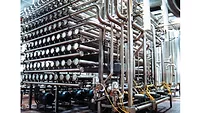
 Hybrid membrane configuration for concentration of yogurt. Yogurt is fed to the spiral wound membrane configuration, which concentrates the less viscous yogurt feed. The more viscous concentrated product is further concentrated by the plate and frame membrane configuration. Photo courtesy of GEA
Dairy Foods: What should yogurt processors consider when looking to implement membrane technology at the plant?
Shanti Bhushan: When implementing membrane technology, yogurt processors should initially determine the optimal membrane design suited to their specific yogurt products, utilizing existing expertise or conducting research and development for novel offerings. Space allocation for both upstream and downstream operations, along with evaluating cost factors such as return on investment, operating costs, and personnel skills, are crucial considerations. Additionally, processors must ensure compliance with regulatory standards, develop waste treatment plans to meet discharge requirements, and may leverage innovative membrane filtration solutions like ultrafiltration, nanofiltration, and reverse osmosis to address environmental challenges associated with acid whey, thereby valorizing waste and reducing transportation costs.
Dairy Foods: How is membrane technology helping your yogurt customers break into new markets/product categories? How is this technology helping your customers with product innovation and development?
Shanti Bhushan: Membrane technology is helping yogurt customers break into new markets and product categories by enabling the creation of diverse yogurt types, such as fat-free high-protein options to full-fat yogurt, as well as high fat cream cheese, using a single membrane filtration unit. This versatility facilitates entry into niche markets like lactose-free or high-protein yogurts, while improving product yield and also reducing or eliminating the use of additives like milk powders in certain cases. Additionally, membrane technology supports product innovation by concentrating plant-based beverages for use in yogurt and cheese alternatives, reducing production costs, and generating new revenue streams, thereby expanding market presence and competitiveness.
Dairy Foods: Do you have additional insights on membrane technology in yogurt production that you feel the Dairy Foods audience should know?
Shanti Bhushan: Market trends are shifting towards healthier and more diverse dairy options, with consumers increasingly seeking products that are high in protein, low in lactose, enriched with prebiotics and probiotics, or made from alternative bases. Membrane technology aligns seamlessly with these trends by enabling producers to efficiently and cost-effectively create a broad spectrum of products, ranging from high-protein yogurts to lactose-free milk. By leveraging membrane filtration, dairy companies can effectively meet consumer demands for innovative products while maintaining profitability and sustainability, thereby enhancing their market presence and competitiveness in a rapidly evolving dairy landscape.
Looking for a reprint of this article?
From high-res PDFs to custom plaques, order your copy today!