Optimizing juice production with membrane technology
Membrane technology can help preserve flavor and nutrients.
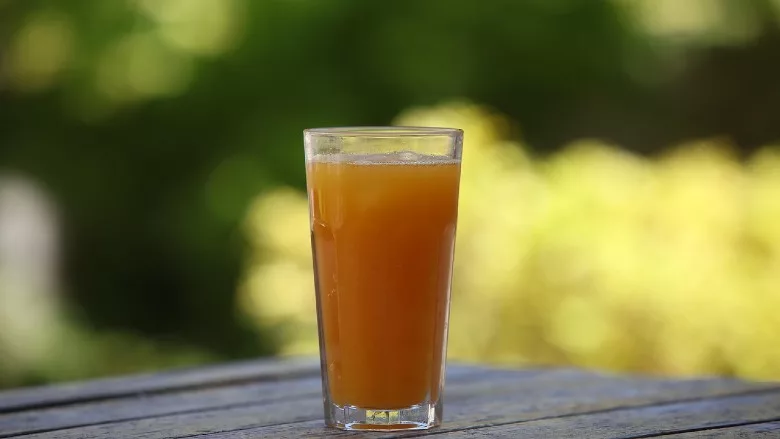
Orange juice
Photo courtesy of alfbel/Pixabay
Membrane technology offers multiple benefits for beverage processors. Within juice production specifically, processors can implement membrane technology systems to improve clarification and concentration of their juices, replacing traditional methods such as heating. By replacing heating systems, producers can improve flavor and nutrient preservation in their products while eliminating undesirable bacteria. When implementing membrane technologies at the plant, juice producers should keep a few best practices in mind.
Alfa Laval has extensive expertise in membrane applications for juice production. The company offers multiple membrane filtration solutions for juice production, including microfiltration, ultrafiltration, nanofiltration and reverse osmosis. Yasith Attanayaka, process & application specialist for Alfa Laval's technology application team, sat down with us to share how membrane technology can directly improve juice production practices.
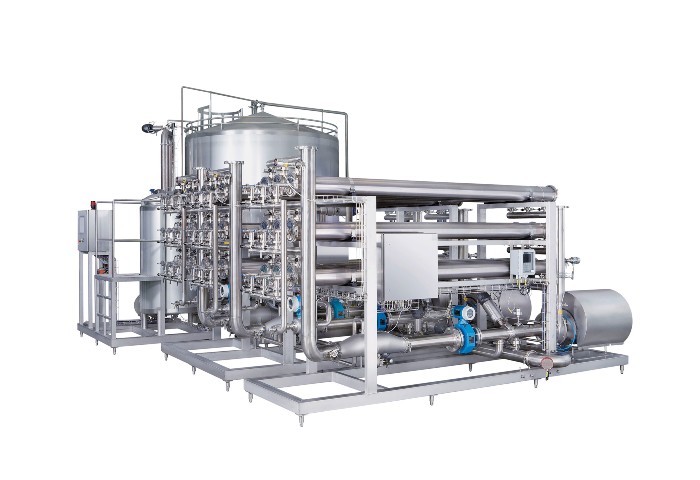 Alfa Laval membrane filtration system for flavor and beverage production. Photos courtesy of Alfa Laval
Dairy Foods: How can beverage processors utilize membrane filtration technology to optimize juice production?
Yasith Attanayaka: Membrane filtration technology helps beverage processors improve juice production by enhancing clarity, yield, and shelf life while reducing processing costs.
Alfa Laval’s ultrafiltration (UF) membranes effectively remove suspended solids and pectin without heat or additives, preserving the juice’s natural flavor and nutrients. In a recent installation at a fragrance creation company, a process-line upgrade at one of their European facilities has significantly optimized performance and simplified maintenance. This UF membrane upgrade also achieved a remarkable reduction in new water usage, saving up to 15,000 liters per week.
 DuroLac UF spiral membrane elements
Reverse osmosis (RO) membranes can be used to concentrate juice at low temperatures, significantly reducing energy consumption while maintaining quality. These processes not only improve product consistency but also streamline operations through automated, sanitary designs.
Dairy Foods: What emerging trends are influencing membrane technology development for juice production and processing?
Yasith Attanayaka: Membrane development is being shaped by the demand for cleaner labels, energy efficiency, and product differentiation. Alfa Laval continues to innovate with membranes that offer higher flux, reduced fouling, and improved selectivity. There’s growing interest in modular, multi-process systems like Alfa Laval’s crossflow setups, which allow producers to experiment with clarification, concentration, and separation using a single unit. This flexibility is essential for adapting to evolving consumer trends and production needs.
Dairy Foods: How are sustainability initiatives influencing membrane filtration technology development for juice production?
Yasith Attanayaka: Sustainability goals are driving advancements in membrane technology that focus on lower energy use, water recycling, and waste minimization. Alfa Laval membrane systems operate at ambient or low temperatures, helping reduce energy costs and carbon footprint. The ability to reuse water and eliminate single-use filter media aligns with circular economy practices. Additionally, Alfa Laval systems are designed for efficient CIP, which reduces water and chemical consumption.
Dairy Foods: What should juice processors consider when first looking to implement membrane technology at the plant?
Yasith Attanayaka: Key considerations include juice composition, target outcomes, system integration, and operational expertise. Processors should assess whether they need clarification, concentration, or microbial stabilization, then select the appropriate Alfa Laval membrane type accordingly. Pretreatment steps such as enzymatic breakdown of pectin may be needed. It’s also essential to plan for cleaning, operator training, and scalability. Alfa Laval offers pilot testing and modular designs to help processors validate performance before full-scale implementation.
Dairy Foods: How is membrane technology helping your juice customers break into new markets/product categories? How is this technology helping your customers with product innovation and development?
Yasith Attanayaka: Alfa Laval membranes enable producers to create premium juice products with better clarity, flavor retention, and shelf stability. Customers have used our systems to launch new product lines like clarified juices, low-sugar blends, and high-value concentrates. Membrane filtration also supports upcycling of side streams, allowing processors to develop secondary products from previously discarded material. This flexibility drives innovation and opens doors to new markets, including functional and clean-label beverages.
Dairy Foods: Are there any other insights regarding membrane technology in juice production that you feel the Membrane Technology Insights audience should know?
Membrane filtration has evolved into a core technology in modern juice production. Alfa Laval systems are designed not only for performance but also for long-term sustainability and operational ease. As consumer expectations rise and environmental regulations tighten, membrane technology offers a future-proof solution that delivers both product excellence and processing efficiency.
Looking for a reprint of this article?
From high-res PDFs to custom plaques, order your copy today!