Dairy Foods logo
search
cart
facebook twitter linkedin youtube
  • Sign In
  • Create Account
  • Sign Out
  • My Account
Dairy Foods logo
  • NEWS
    • DAIRY REGULATIONS
  • PRODUCTS
    • New Products
    • Butter
    • Cheese
    • Cultured Dairy
    • Frozen Desserts
    • Ice Cream/Novelties
    • Milk
    • Non-Dairy Beverages
    • Sales Data
    • Whey, Milk Powder
    • Dairy Alternatives
  • INGREDIENTS
    • Cocoa
    • Colors/Flavors
    • Cultures/Enzymes
    • Fiber
    • Gums, Stabilizers, and Texturants
    • Inclusions
    • Omegas/Lipids
    • Prebiotics
    • Probiotics
    • Sweeteners
    • Other
  • OPERATIONS
    • SUSTAINABILITY
    • Equipment
    • Processing
    • Packaging
    • Food Safety & Sanitation
    • Membrane Technology
  • MEDIA
    • Dairy Foods TV
    • Podcasts
    • Webinars
  • DIRECTORIES
    • Buyers Guide
    • Dairy Plants USA
  • MEMBRANE FORUM
  • MORE
    • Associations
    • Dairy Foods' News & Views Newsletter
    • Blogs
    • Case Studies
    • Classifieds
    • Custom Content & Marketing Services
    • Dairy Foods Store
    • Market Research
    • Supplier Spotlights
    • Tradeshows and Events
    • Strategy Guides
  • AWARDS
    • Dairy Plant of the Year Award
    • Breakthrough Award
    • Dairy Processor of the Year
  • EMAGAZINE
    • eMagazines
    • Archive Issues
    • Contact
    • Advertise
    • SIGN UP!
    • Columnists
    • Dairy 100
    • State of the Industry Report
    Dairy Foods Columnists

    Should you fortify yogurt with dairy or plant protein?

    Plant proteins struggle to match dairy protein’s sensory and nutrition quality.

    By Sharon Gerdes
    April 21, 2021

    The first higher-protein yogurt appeared on U.S. shelves in 2001. Twenty years later, higher-protein products dominate the yogurt aisle.

    The dairy industry has become quite adept at delivering higher-protein yogurts with great taste and texture. Newer dairy protein ingredients help manufacturers optimize throughput and minimize acid whey as a byproduct. The dairy alternative category is growing, too, but faces stiff challenges in competing with dairy yogurt’s nutrition and sensory qualities.


    PDCAAS quandary

    When a protein claim is made on yogurt, the FDA requires that the % daily value (DV) for protein be declared and modified to reflect the protein digestibility-corrected amino acid score (PDCAAS). Dairy proteins are complete proteins, so no adjustments to DV are needed.

    Soy has a PDCAAS of 1.0, but many of the other plant proteins being used in the dairy space have lower scores.

    “Chickpea and fava bean proteins score a 0.6; oat protein is slightly higher at 0.67,” says Christine Addington, senior dairy technical service specialist, Cargill. “Plant proteins can be blended with complementary proteins to create a complete protein source. [Cargill’s] Puris pea protein has a PDCAAS of 0.8 and can be blended with a rice protein to create a complete amino acid profile and achieve the target protein claim.”

    Plant protein fractions suitable for use in yogurt will have unique amino acid profiles and digestibility values. Finding accurate values can be a challenge. When combining plant proteins, a weighted digestibility value must be used.


    Texture challenges

    Dairy proteins are unique and provide functionality that can be controlled and tailored by process and formulation. Specialty dairy ingredients designed for high-protein yogurt result in products with a smoother texture, creamy mouthfeel, improved gelation and reduced whey separation.

    “In high-protein yogurt, the added protein type (milk or whey), protein concentration, heat stability of the protein, calcium content of the protein, salt, gum system and other ingredients are very important to get the desired consistency,” says Khilendra Bhanduriya, senior product development scientist, Milk Specialties Global. “Critical processing parameters that affect consistency include hydration of the protein, heating step (temp/time), homogenization, starter and inoculation temperature, [and] shear rate in the post-fermentation smoothing process. … Storage time and temperature are also important factors.”

    Plant based yogurts rely on starches and hydrocolloids for most of their textural properties.

    “At high usage levels, plant proteins often have solubility issues, resulting in negative textural attributes like grittiness or sandiness,” notes Addington. “One option is to use higher amounts of fat. This will deliver a creamier mouthfeel, but can be a turnoff for some health-conscious shoppers.”

    Syneresis is another area of concern in yogurt alternatives. Specialty tapioca starches help reduce syneresis, optimize texture and increase cold-storage stability. Pectin is another ingredient that helps control syneresis and improve mouthfeel.

    “Plant-based protein requires extensive filtration and extraction to concentrate because the proteins found in a plant’s native state are in a much lower concentration than dairy proteins. This can compromise the functionality and taste of plant proteins,” says Bhanduriya.

    Plant proteins behave similarly to whey proteins, notes K.J. Burrington, American Dairy Product Institute’s director – training, education and technical development.

    “Their heat stability won’t be as good as casein, and they will not form an acid gel,” she says. “The flavors aren’t even remotely the same, and the ones that are at least mild in flavor would be almond and oat.”

    Fermentation can also alter plant protein flavor. Using stronger flavor profiles such as spices is one solution. This will be an interesting category to watch.

    KEYWORDS: dairy protein high-protein dairy plant proteins soy protein whey whey protein

    Share This Story

    Looking for a reprint of this article?
    From high-res PDFs to custom plaques, order your copy today!

    Sharon gerdes dairy foods columnist

    Sharon Gerdes is the Health and Wellness editor of Dairy Foods. She is a Certified Food Scientist and author who writes extensively about dairy’s role in health and wellness. Learn more at http://sharongerdes.com.

    Recommended Content

    JOIN TODAY
    to unlock your recommendations.

    Already have an account? Sign In

    • Lifeway Organic Kefir in different flavors inside a refrigerated grocery shelf.

      Dairy Foods names Lifeway Foods 2025 Processor of the Year

      Lifeway Foods donates $10,000 to wildfire victims,...
      Dairy Processor News
      By: Brian Berk
    • Two female farmers are standing in a field, holding a large milk canister, looking at several cows at dairy farm.

      Honoring Women Leaders Shaping the Dairy Industry

      For the fourth consecutive year, Dairy Foods is proud to...
      Dairy Foods & Beverages
      By: Barbara Harfmann
    • Main feature for State of the Industry with dairy products album cover with a gradient circular--patterned backgorund.

      2025 State of the Dairy Industry

      Welcome to the 2025 State of the Industry report. For...
      Sales Data
    Manage My Account
    • eMagazine Subscription
    • Dairy Foods News & Views Newsletter
    • Online Registration
    • Manage My Preferences
    • Subscription Customer Service
    • Connect with Dairy Foods

    More Videos

    Popular Stories

    Close up of man adding Greek yogurt while preparing healthy smoothie in the kitchen.

    An expert guide to dairy and GLP-1 receptor agonists

    Grilling foods

    Dairy’s Enduring Moment: Why Resilience and Renewal Define Today’s Dairy Story

    Splash of milk in form of arm muscle. 3D illustration.

    Protein: The Powerhouse of Health and Wellness

    Nominate your product for the 2026 Dairy Foods Product of the Year!


    MTF webinar


    Food Safety webinar

    Events

    July 8, 2026

    Membrane Purification Enables Clean Beauty Actives

    The global cosmetics market is undergoing a major shift towards the use of natural bioactive ingredients as consumers grow more skeptical of traditional formulations and demand greater transparency and sustainability.

    July 8, 2026

    Advancements in RO for Dairy Processing

    Reverse osmosis (RO) membranes are well established in dairy processing but continue to evolve to improve performance, reduce energy use, and increase operational longevity. 

    View All Submit An Event

    Products

    Probiotic Ice Cream: Science and Technology

    Probiotic Ice Cream: Science and Technology

    See More Products
    health and wellness


    plant of the year

    Related Articles

    • Overcome dairy and plant-based protein challenges

      See More
    • Brenntag

      Suppliers highlight the latest innovations in dairy and plant-based protein ingredients

      See More
    • coffee with milk

      Coffee can percolate with both dairy and plant-based options

      See More

    Related Products

    See More Products
    • yogert and other.jpg

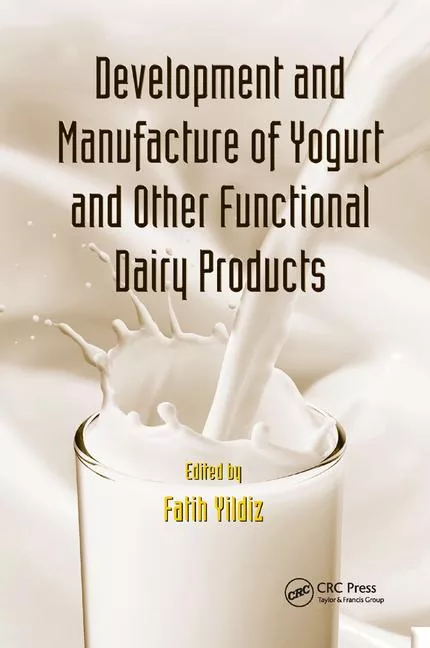
      Development and Manufacture of Yogurt and Other Functional Dairy Products

    • Manufacturing Yogurt and Fermented Milks, 2nd Edition

    See More Products

    Related Directories

    • Deseret Dairy Plant

    • NCSU Dairy Plant

    • Babcock Hall Dairy Plant

    ×

    Stay ahead of the curve. Unlock a dose of cutting-edge insights.

    Receive our premium content directly to your inbox.

    SIGN-UP TODAY
    • RESOURCES
      • Advertise
      • Contact Us
      • Directories
      • Store
      • Want More
    • SIGN UP TODAY
      • Create Account
      • eMagazine
      • Newsletter
      • Customer Service
      • Manage Preferences
    • SERVICES
      • Marketing Services
      • Reprints
      • Market Research
      • List Rental
      • Survey/Respondent Access
    • STAY CONNECTED
      • LinkedIn
      • Facebook
      • YouTube
      • X (Twitter)
    • PRIVACY
      • PRIVACY POLICY
      • TERMS & CONDITIONS
      • DO NOT SELL MY INFORMATION
      • PRIVACY REQUEST
      • ACCESSIBILITY

    Copyright ©2026. All Rights Reserved BNP Media, Inc. and BNP Media II, LLC.

    Design, CMS, Hosting & Web Development :: ePublishing