Ingredient Technologies
Why hydrocolloids matter in bringing taste and stability to dairy and non-dairy foods
Gums, emulsifiers and stabilizers are a triple threat.

From naturally grown rice, native rice starches can function as a stabilizer in dairy and non-dairy products.
Ingredients and ingredient blends are used in dairy and non-dairy formulations to improve the taste, texture and stability of a wide range of products such as ice cream, cheese and yogurt. However, perhaps no ingredients provide a triple threat in quite the same way as gums, emulsifiers and stabilizers.
"Gums, emulsifiers and stabilizers play critical roles helping dairy and dairy-alternative products maintain their quality, structure and sensory appeal through processing and over shelf life," notes Regina Draper, director of R&D for dairy and dairy alternatives at Wayzata, Minn.-based Cargill.
Draper pinpoints the differences in how these hydrocolloids work as follows:
- Gums are hydrocolloids that form gels when dispersed in water. In dairy applications, they keep ingredients from separating and help build desirable textures. Carrageenan, for example, is used in processed cheese to achieve textural and functional properties such as meltability and sliceability.
- Emulsifiers help bring oil and water together. With a water-loving and an oil-loving end, they stabilize and maintain emulsions, preventing oil and water from separating. In coffee creamers, lecithin can be used to prevent broken emulsions and maintain product integrity through shelf life.
- Stabilizers such as pectin and certain starches prevent components from separating out and developing quality defects. They limit ice crystal growth in ice cream, prevent protein flocculation in acidic dairy applications and control syneresis in yogurts. Ultimately, they help ensure the product looks and feels the same on day 30 as it did on day one.
Kevin Reed, customer technical support manager at BENEO, concurs that these workhorse ingredients protect the quality and integrity of the product, from its taste and texture to shelf life.
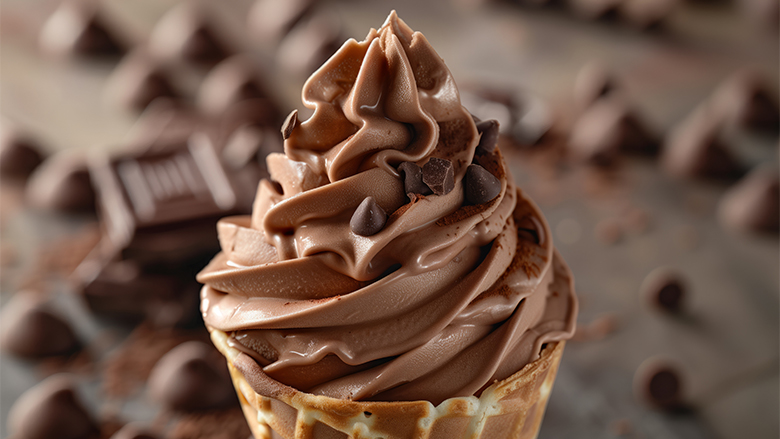
Gums (stabilizers like xanthan gum, guar gum, carrageenan) are crucial in commercial ice cream for creating creaminess and preventing ice crystals. Photo courtesy of IFPC.
"Individually, gums contribute to the creamy textures that consumers prefer. They contribute to thickening and are gelling agents," Reed explains. "Emulsifiers bring stability to an emulsion, for example, preventing the separation of oil and water in a recipe. Stabilizers often offer both of these functions — ensuring stability and contributing to creamy textures and a smooth mouthfeel."
There are many clean-label gums, emulsifiers and stabilizers on the market. Among the thickening ingredients commonly used are starch, xanthan, guar gum, locust bean gum, gum arabic and cellulose derivatives. Gelling hydrocolloids include alginate, pectin, carrageenan, gelatin, gellan and agar.
The market for hydrocolloids is growing. Delray Beach, Fla.-based MarketsandMarkets reports that the modified starch market was estimated at $14.9 billion in 2025 and is projected to reach $17.3 billion by 2030, rising at a compound annual growth rate (CAGR) of 3%.
Parsippany, N.J-based BENEO offers a variety of rice starches, which function as a stabilizer in dairy and non-dairy products by binding water and preventing syneresis in products like yogurt and sour cream. Additionally, the small granule size of the ingredient enhances the texture of dairy and non-dairy products, resulting in a smooth and creamy mouthfeel, Reed states.
"Rice ingredients can be considered appealing ingredients on product labels," Reed says. "Our native rice starches come from a natural source and do not undergo any chemical modification. As such, they are labeled as rice starch on the ingredient declaration."
Cargill's portfolio includes both modified starches and functional native starches, which are sold under its SimPure brand. "SimPure starches combine functionality with high levels of process tolerance, enabling formulators to replace modified starches in a range of applications, including yogurts," Draper explains. "They feature a neutral flavor and excel at controlling syneresis, with water-binding capabilities and cold-storage tolerance that give products stability over shelf life."
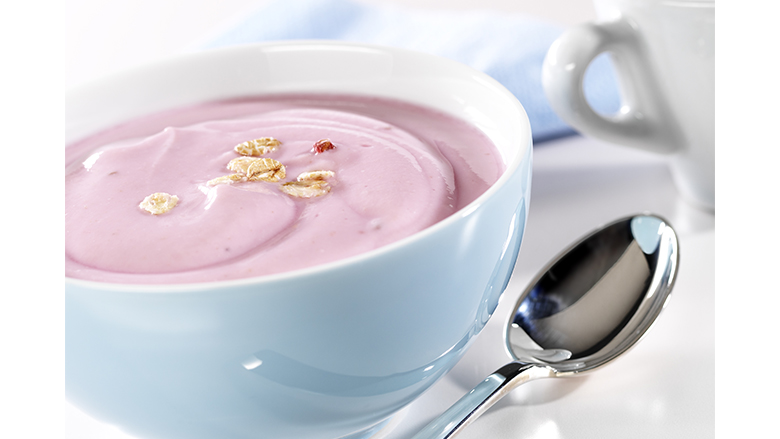
Cargill's SimPure starches combine functionality with high levels of process tolerance and a neutral flavor that works well in yogurt. Photo courtesy of Cargill.
Water-loving hydrocolloids
IFPC Food Scientist II Emily O'Chiu explains that gums, typically used as thickening agents, provide texture and structure to beverages, spreads, sauces and ice cream. "They bind with water, which can help extend the shelf life of a product," she notes.
Yet, each gum brings specific characteristics to a product, including pH stability, gel-forming ability and viscosity levels; some gums can even serve as emulsifiers.
She points out that emulsifiers combine substances that do not normally mix, such as oil and water, into one stable phase. "This can be achieved with hydrocolloids or with molecules that have one end that binds to fat and another end that binds to water, allowing the two phases to attach," O'Chiu explains.
On the emulsifier side, faba bean protein can be used to enhance product stability in plant-based creamers for example. This also extends to foam stability for barista-style creamers, BENEO's Reed maintains.
Dairy stabilizers, on the other hand, are blends of gums, starches, fibers, emulsifiers and proteins that work together to bind water and achieve texture and stability targets in dairy products. These stabilizers can improve shelf life, enhance appearance and taste, and create a variety of textures such as creamy, chewy, smooth, or spreadable through their thickening and gel-forming properties.
Under its Dairy House brand, IFPC has been blending stabilizer systems to support the dairy industry for more than 25 years. This gives the Fenton, Mo.-based company a deep understanding of how each stabilizer ingredient performs singularly as well as blended synergistically with other ingredients.
"This knowledge has helped us build stabilizers in the dairy alternative space as well. We work with great vendors for additional technical support on new ingredient innovations," O'Chiu says. "IFPC also offers individual ingredients used in stabilizers if the customer already has a formula in place. We can investigate ingredient substitutions when the supply of certain ingredients is tight."
Cargill also offers a comprehensive portfolio that spans hydrocolloids, such as carrageenan and xanthan gum; a full range of pectins; modified and label-friendly starches; plant-based lecithins; and functional systems tailored for dairy and non-dairy applications.
For instance, carrageenan, derived from red seaweed, is used in neutral pH dairy drinks like chocolate milk, where it maintains particle suspension, prevents syneresis and enhances mouthfeel. It brings similar benefits to dairy-alternative beverages containing proteins and electrolytes.
Produced via fermentation, xanthan gum is especially valuable in powdered dairy beverages and cottage cheese.
Draper explains: "It has several unique properties, including the ability to solubilize across a wide range of pH and temperature conditions. It's also the only hydrocolloid with notable ‘cling.' In cottage cheese, this property helps the dressing adhere to the wet cheese curd."
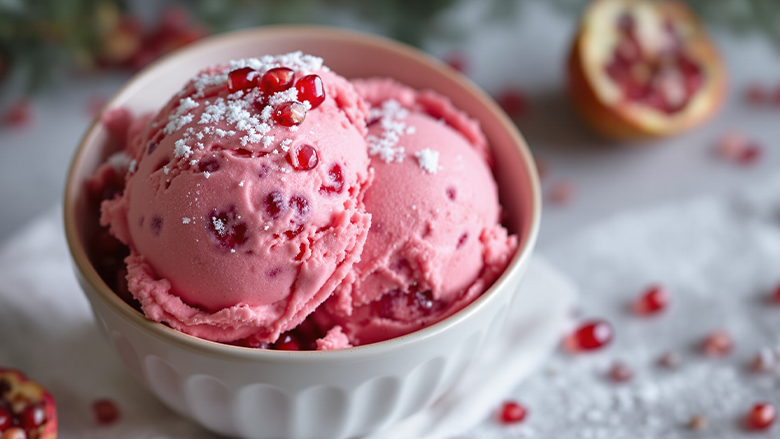
The gelatin substitutes market is estimated to reach $6B by 2034, according to a report from Allied Market Research. Photo courtesy of Clementine's Ice Cream
A new era in plant-based ingredients
Consumers are increasingly demanding transparency, natural ingredients, and ethically sourced components, which has driven manufacturers to replace traditional animal-derived gelatin with plant-based alternatives such as agar-agar, pectin, carrageenan, and xanthan gum, according to a November 2025 report from Allied Market Research, Wilmington, Del.
The report, "Gelatin Substitutes Market by Product Type in Food and Beverage Applications," notes the trend is particularly strong in regions with high health consciousness and vegan populations, such as North America and Europe, where products marketed as vegetarian, vegan, or clean label often command premium pricing.
In fact, the gelatin substitutes market was valued at $2.7 billion in 2024, and is estimated to reach $6.1 billion by 2034, growing at a CAGR of 8.6% from 2025 to 2034, according to the report.
New product wise, Basel, Switzerland-based Jungbunzlauer unveiled TayaGel Modus, a gellan gum innovation designed to deliver crystal-clear gels with high gel strength in a wide range of applications, the company stated in a press release.
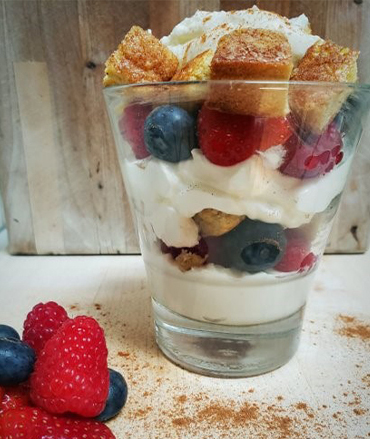
Layered French toast croutons, Greek yogurt and fresh fruit make a delicious parfait. Photo courtesy of Cargill.
This latest addition to the company's growing texturants portfolio supports label-friendly formulations, creates an elastic, firm and slightly brittle gel and offers new possibilities for formulators seeking a strong vegan alternative to gelatine in desserts.
"TayaGel Modus further strengthens our texturants offer to customers. This new product provides formulators with a unique gellan gum that delivers an even broader range of customer-preferred textures by combining TayaGel Modus with TayaGel HA, TayaGel LA and our xanthan gum grades," states Jens Birrer, Jungbunzlauer's vice president of texturants. "From single ingredients to more complex blends, this innovation reflects our commitment to helping customers with label-friendly solutions for their increasingly complex formulations."
Founded more than 150 years ago, Jungbunzlauer notes that TayaGel Modus is the company's second texturant launch in less than a year, reflecting the company's focus on supporting customers with trusted, high-quality solutions that simplify formulation challenges and enable greater innovation.
When Dairy Foods asked ingredient experts which hydrocolloids are most crucial when formulating dairy products like ice cream, yogurt, drinkable yogurts and sour cream, BENEO's Reed suggests a well-balanced texture for overall sensory sensation, while IFPC's O'Chiu names stabilizers as most crucial when trying to go beyond each product's historical properties.
"Dairy products processed for extended shelf-life or low-fat or low-sugar formulations can benefit from stabilizers and emulsifiers to maintain the texture and quality that consumers expect," she says.
Reed concurs: "Depending on the product, consumers accept a certain mouthfeel; for example, a rich creaminess when talking about products like ice cream, yogurt or sour cream. Especially within the context of the mega-trend of weight management, nutritional profile improvement is high on the agenda for many manufacturers. But reducing fat and sugar from recipes does also affect aspects such as texture."
To compensate for those losses, the BENEO Technology Center provides a recipe for cream cheese, which demonstrates a 50% fat reduction compared to the reference product. And by adding the prebiotic fiber inulin along with a rice starch, the product contains 4.8 grams of fiber compared to 0 grams withing the reference product, according to Reed.
"Plus, the ingredients list ties in with consumer's expectation toward clean labels," Reed says.
Hydration, controlled temperatures important
Cargill's Draper points out that incorporating gums, emulsifiers and stabilizers into dairy products presents some unique challenges.
She explains: "Working with gums and stabilizers requires careful attention to dispersion, hydration and process control. It's important to properly hydrate these ingredients and achieve uniform dispersion in blending. Processors also need to understand where and when viscosity develops, since this can impact flowability through equipment. For ingredients that gel upon cooling, maintaining controlled temperatures is key to ensuring the structure forms at the right stage and delivers repeatable results."
While these ingredients are used in both dairy and non-dairy products, their role and inclusion levels differ because dairy and plant-based proteins behave differently, Draper notes.
"Dairy proteins naturally form gels under acidic conditions. Plant-based proteins don't have that same gelling property, so achieving similar textures requires different ingredient combinations and often higher inclusion rates," she explains.
Research from Cargill maintains that consumers recognize familiar ingredients like corn starch, sunflower lecithin, citrus fiber and pectin and their alignment with clean-label expectations.
Other ingredients may not enjoy the same instant recognition, but they all bring valuable functionality to dairy and non-dairy products, Draper concludes.
"Label considerations are important, but at the end of the day, consumers want products that deliver enjoyable eating experiences," Draper concludes. "These workhorse ingredients — gums, starches, pectin and the like — play a big role in creating those experiences and maintaining them throughout a product's shelf life."
Looking for a reprint of this article?
From high-res PDFs to custom plaques, order your copy today!



.webp?height=200&t=1716226591&width=200 "bagel and cream cheese")

