Membrane innovation in dairy: ZwitterCo discusses implementation, sustainability and product development
ZwitterCo expert shares how dairy processors are leveraging membranes for plant optimization and innovation.
.webp?t=1762395389)
ZwitterCo Evolution sanitary anti-fouling membranes
Membrane company ZwitterCo recently announced the commercial release of its Evolution membrane product family, available in an ultrafiltration membrane for protein concentration (PCM), superfiltration (SF) and reverse osmosis (RO) membrane configurations. With the release of its Evolution membranes, ZwitterCo is working to help food, dairy and biotech processors reduce cleaning costs, bolster sustainability efforts and improve productivity.
In this exclusive interview, ZwitterCo VP of Food Processing & Specialties Jon Goodman discusses what dairy processors need to know when implementing membranes at the plant, emerging trends influencing element design and how sustainability initiatives are shaping the next generation of filtration solutions.
What should dairy processors first consider when looking to implement membrane filtration/separation equipment at the plant?
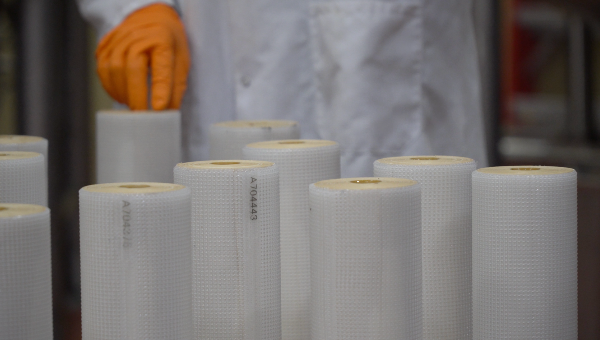
Jon Goodman: Membranes play a critical role in filtration and separation processes at most dairy processing plants today, including microfiltration (MF), ultrafiltration (UF), nanofiltration (NF) and reverse osmosis membranes. The types of membranes being used in the dairy industry have been used for almost three decades now and have only had incremental improvements in that time. Luckily for dairy processors, there are some new membrane technologies coming out with the potential to substantially improve their operations.
 ZwitterCo
When considering membrane replacements for their systems, users should factor in total lifecycle cost rather than just upfront membrane costs, protein loss, throughput or the ability to process more with existing equipment, cleanability and reducing cleaning costs. With their anti-fouling chemistry that enables faster and simpler cleaning programs, ZwitterCo Evolution membranes can help with many of these factors.
Evolution membranes feature a patented zwitterionic chemistry which serves as a permanent barrier to irreversible organic fouling, making them perfect for whey, milk and other dairy streams. These membranes revolutionize filtration operations by eliminating steps in cleaning programs, saving money, water, energy and time. Cleaning costs can be reduced by over 50%, and an hour or more of valuable time can be given back to production.
What emerging trends are influencing membrane filtration/separation equipment development, specifically for the dairy industry?
Jon Goodman: Dairy processors are seeking ways to improve efficiency, which is generally done through productivity, cost and time, and implementing environmentally friendly solutions. Many different types of suppliers to dairy processors are trying to address these topics. For example, equipment manufacturers are optimizing system design, and chemical companies are introducing cleaning chemicals to simplify costly cleanings.
Membrane manufacturers, including ZwitterCo, are also trying to help dairy processors become more efficient while achieving sustainability goals. There is membrane development by companies underway to allow for better separation, higher permeability, and even RO membranes with chlorine tolerance (that technology is currently focused on water purification to start). ZwitterCo membranes target an area of membrane operations that dairy processors know very well: fouling.
How are sustainability initiatives influencing membrane filtration/separation equipment development?
Jon Goodman: Dairy processors are under pressure to meet a number of sustainability goals, including water reuse, energy reduction, limiting waste production and minimizing greenhouse gas emissions. For instance, the Hilmar Cheese website shows how they capture almost 100% of the water that was originally part of the milk they receive, while the Leprino website shows they are committed to becoming greenhouse gas neutral by 2050, and the Actus Nutrition website shows that they diverted over 117 million pounds of waste from landfills in 2024. Membrane filtration can directly address sustainability targets related to water and energy reduction.
Given that milk is comprised of over 90% water and is the top raw material for dairy products, processors have tremendous opportunities to recover water. For example, water can be recovered from evaporator condensate and permeate from membranes. Membrane systems themselves are being engineered to be more efficient in operations and use less energy and less water.
Because of the anti-fouling nature of ZwitterCo Evolution membranes, they can be cleaned with a shorter, simple cleaning program that uses less water and fewer chemicals. At an installation of Evolution RO membranes in a dairy polisher application, a whey processor has reduced water consumption for cleaning by almost 40%, translating to over 1 million gallons of freshwater saved in the first 10 and half months of operations. Overall, they have experienced lower chemical use, water and energy consumption and wastewater generation, supporting the whey processor’s sustainability goals.
How can fouling impact a dairy processing plant? How can membrane filtration solutions minimize fouling and increase membrane lifespan?
Jon Goodman: Fouling is one of the top issues observed by membranes in any application, but especially in applications with more solids, fats or organics in the feed stream, just like in dairy streams. Fouling is observed through a formation of a gel layer on the membrane surface that impacts permeability or membrane flux. Operators see this trend in fouling by an increase in pressure with a decrease in permeate flow. To tackle fouling, dairy processors implement daily cleaning programs. The more aggressive the fouling, the harsher the chemical clean required to fully recover membrane performance. And what causes shorter membrane lifespan or performance degradation? Cleaning. An increase in cleaning frequency and/or aggressiveness decreases membrane lifespan.
ZwitterCo Evolution anti-fouling membranes directly address this problem by offering the highest resistance to organic fouling and thus the simplest and fastest membrane cleaning program available for dairy processors. In testing, we have observed a flatter flux curve with Evolution membranes compared to conventional membranes. This is because there is less of a flux decline that is caused by the fouling gel layer formation, which ultimately results in higher productivity. Over time, we hope to see an improvement in membrane lifespan by the reduction of cleanings that Evolution anti-fouling membranes offer.
Learn more at about ZwitterCo at their website, zwitterco.com.
To learn more about membrane technology
For expert insights into the latest advancements, applications, and innovations in membrane technology, register to attend the Membrane Technology Forum 2026, organized by Dairy Foods magazine and the American Dairy Products Institute. This premier event will take place from June 15–17, 2026, at the DoubleTree by Hilton Bloomington Minneapolis–South in Minneapolis, Minn. The forum brings together industry leaders, researchers and professionals to explore cutting-edge solutions and trends shaping the future of dairy processing.
Learn more and register: dairyfoods.com/membrane-forum
Looking for a reprint of this article?
From high-res PDFs to custom plaques, order your copy today!