Dairy Foods logo
search
cart
facebook twitter linkedin youtube
  • Sign In
  • Create Account
  • Sign Out
  • My Account
Dairy Foods logo
  • NEWS
    • DAIRY REGULATIONS
  • PRODUCTS
    • New Products
    • Butter
    • Cheese
    • Cultured Dairy
    • Frozen Desserts
    • Ice Cream/Novelties
    • Milk
    • Non-Dairy Beverages
    • Sales Data
    • Whey, Milk Powder
    • Dairy Alternatives
  • INGREDIENTS
    • Cocoa
    • Colors/Flavors
    • Cultures/Enzymes
    • Fiber
    • Gums, Stabilizers, and Texturants
    • Inclusions
    • Omegas/Lipids
    • Prebiotics
    • Probiotics
    • Sweeteners
    • Other
  • OPERATIONS
    • SUSTAINABILITY
    • Equipment
    • Processing
    • Packaging
    • Food Safety & Sanitation
    • Membrane Technology
  • MEDIA
    • Dairy Foods TV
    • Podcasts
    • Webinars
  • DIRECTORIES
    • Buyers Guide
    • Dairy Plants USA
  • MEMBRANE FORUM
  • MORE
    • Associations
    • Dairy Foods' News & Views Newsletter
    • Blogs
    • Case Studies
    • Classifieds
    • Custom Content & Marketing Services
    • Dairy Foods Store
    • Market Research
    • Supplier Spotlights
    • Tradeshows and Events
    • Strategy Guides
  • AWARDS
    • Dairy Plant of the Year Award
    • Breakthrough Award
    • Dairy Processor of the Year
  • EMAGAZINE
    • eMagazines
    • Archive Issues
    • Contact
    • Advertise
    • SIGN UP!
    • Columnists
    • Dairy 100
    • State of the Industry Report
    Dairy Foods Columnists

    Dairy protein blends

    Promoting protein-fortified products

    Consumers look at labels for total protein content.

    By Karen Giles-Smith MS, RD
    October 14, 2014

    Advances in knowledge about how the types and amounts of protein affect human health have ignited interest in consuming more protein as well as innovations in protein fortification. How can the dairy industry position protein-fortified products to the best advantage? 

    For starters, let’s consider consumers’ perceptions of protein-fortified products.  Experts at Agropur Ingredients, La Crosse, Wis., have witnessed extremely positive reactions to both naturally containing and protein-fortified products.

    Phanin Leksrisompong of Davisco Foods International, Eden Prairie, Minn., said consumers don’t discriminate between the two, noting that the demand for whey-protein fortified products is increasing due to a growing demand for natural, healthy and quality high-protein ingredients.

    “In general, consumers look at labels for total protein content,” noted Cheryl Reid, Arla Foods Ingredients Group, Basking Ridge, N.J.

     In contrast, Vikki Nicholson of the Arlington, Va.-based U.S. Dairy Export Council noted that nearly 60% of consumers agree that protein should be in its natural form and only 26% believe protein-enriched foods are just as good as items that naturally contain protein.

    “That’s not to say consumers aren’t purchasing protein-enriched foods,” she said. “Nearly half of primary grocery shoppers have purchased protein-enriched foods and 30% of consumers would like to see more protein-enriched foods.” 

    These differing perspectives may be due to consumers’ individual needs and preferences. Megan Keepes, DuPont Nutrition & Health, New Century, Kan., explained that consumers’ preference for naturally containing protein versus protein-fortified is dependent on many lifestyle factors and is often occasion-specific. For example, consumers with active, busy lifestyles may prefer protein-fortified products as a convenient, efficient way to meet protein needs.

    Consider the source

    Both single-source protein ingredients and protein blends have met with market success. The advantages of blends may include improved cost, sustainability, flavor synergies, functional properties, and nutritional benefits. Dina Fernandez and Julio López Cintrón of Decatur, Ill.-based ADM point to the emergence of a large number of new products in the last two years that contain multiple protein blends: Since January 2013, 17 beverages and 72 protein bars using a blend of soy-dairy proteins have launched, according to Chicago-based market researcher Mintel.

    Future protein-fortified products will likely incorporate blends of high-quality animal proteins and lower-quality, less expensive plant proteins, noted Leksrisompong.

    “The food industry will be challenged to deliver products with optimum nutritional and economic value of protein to feed a growing and aging population,” she said.

    When blends are created to help improve a product’s functionality or nutrition — rather than solely for cost savings — experts at Agropur Ingredients foresee protein blends being a successful endeavor in both the sports nutrition and mainstream marketplaces. DuPont’s Keepes said she believes there are tremendous opportunities for dairies to explore innovative ways to leverage the growing popularity of plant-based proteins while increasing opportunities for cow’s milk; for example, combining cow’s milk with plant proteins may attract new customers.

    “Incorporating dairy and dairy proteins into a balanced diet that’s higher in protein can help maintain a healthy weight, curb hunger, promote a lean body, enhance sports performance and exercise recovery and maintain muscle for healthy aging,” said USDEC’s Nicholson. “We expect to see some very exciting new milk products in the near future.”   


    Benefits of protein blends in sports nutrition and beyond

    • Nutritional compliment: Isolated soy protein, casein and whey protein are all nutritionally complete proteins which allow for the development of products with high nutritional value.
    • Prolonged net amino acid balance: Isolated soy protein, casein and whey protein have different digestion rates. Blends prolong aminoacidemia (free amino acids in blood) and enhance post-exercise protein synthesis.
    • Other muscle-building benefits:Isolated soy protein products reduce oxidative stress and muscle damage during exercise, and are rich in glutamine and arginine which boost the immune system and promote release of growth hormones. Whey protein and casein contain more branched-chain amino acids. A blend of soy, whey and casein is more likely to promote protein synthesis in athletes and highly active consumers.

    Source: ADM, Decatur, Ill.


    7 tips for promoting the quality and content of dairy ingredients

    Although many consumers consider protein content when making purchases, most don’t know how much they need or that quality matters. The fact that protein requirements vary widely between individuals poses challenges when promoting products’ protein content. Consider these suggestions (from these sources):

    • Provide nutrition facts on the product package that are more visual and easy to understand (Davisco Foods)
    • The “facts up front” approach taken by many consumer packaged goods companies has been successful in highlighting protein content and allowing consumers to compare products’ protein content at a glance (DuPont Nutrition & Health)
    • Help consumers decide if a product is a good source of protein by highlighting it as a percent of the RDA (Arla Foods Ingredients Group)
    • Note that current protein requirements (RDA) are set at a minimum level to prevent deficiencies, not for optimal health (Davisco Foods)
    • Educate all consumers about protein quality, individualizing messages to the target market (Davisco Foods)
    • In marketing campaigns, highlight benefits by using key words such as “satiety” (Agropur Ingredients)
    • Market supplemental information online and through social media channels to emphasize the benefits of higher protein diets and differences in protein quality (USDEC)


    KEYWORDS: high-protein dairy protein fortification protein-fortified dairy products

    Share This Story

    Looking for a reprint of this article?
    From high-res PDFs to custom plaques, order your copy today!

    Karen Giles-Smith is a registered dietitian in Michigan with 23 years experience in the field of nutrition including clinical dietetics, nutrition education, and broadcast and print communications. She earned a master of science in human nutrition from Case Western Reserve University, Cleveland, and a bachelor of science in food science and nutrition from Marygrove College, Detroit. Karen blogs at www.thewellnesswriter.com/blog.

    Recommended Content

    JOIN TODAY
    to unlock your recommendations.

    Already have an account? Sign In

    • Lifeway Organic Kefir in different flavors inside a refrigerated grocery shelf.

      Dairy Foods names Lifeway Foods 2025 Processor of the Year

      Lifeway Foods donates $10,000 to wildfire victims,...
      Cultured Dairy
      By: Brian Berk
    • Two female farmers are standing in a field, holding a large milk canister, looking at several cows at dairy farm.

      Honoring Women Leaders Shaping the Dairy Industry

      For the fourth consecutive year, Dairy Foods is proud to...
      Dairy Foods & Beverages
      By: Barbara Harfmann
    • Main feature for State of the Industry with dairy products album cover with a gradient circular--patterned backgorund.

      2025 State of the Dairy Industry

      Welcome to the 2025 State of the Industry report. For...
      Innovation
    Manage My Account
    • eMagazine Subscription
    • Dairy Foods News & Views Newsletter
    • Online Registration
    • Manage My Preferences
    • Subscription Customer Service
    • Connect with Dairy Foods

    More Videos

    Popular Stories

    Close up of man adding Greek yogurt while preparing healthy smoothie in the kitchen.

    An expert guide to dairy and GLP-1 receptor agonists

    Grilling foods

    Dairy’s Enduring Moment: Why Resilience and Renewal Define Today’s Dairy Story

    Idaho Milk Products hosts ribbon cutting

    Idaho Milk Products hosts ribbon cutting for new facility

    Nominate your product for the 2026 Dairy Foods Product of the Year!

    Events

    July 8, 2026

    Membrane Purification Enables Clean Beauty Actives

    The global cosmetics market is undergoing a major shift towards the use of natural bioactive ingredients as consumers grow more skeptical of traditional formulations and demand greater transparency and sustainability.

    July 8, 2026

    Advancements in RO for Dairy Processing

    Reverse osmosis (RO) membranes are well established in dairy processing but continue to evolve to improve performance, reduce energy use, and increase operational longevity. 

    View All Submit An Event

    Products

    Probiotic Ice Cream: Science and Technology

    Probiotic Ice Cream: Science and Technology

    See More Products

    Outlook Report: Women in Dairy

    Related Articles

    • Processors can gain an advantage with protein fortification

      See More
    • Dairy’s protein: The satisfaction factor

      See More
    • Time to tout protein in dairy foods

      See More

    Related Products

    See More Products
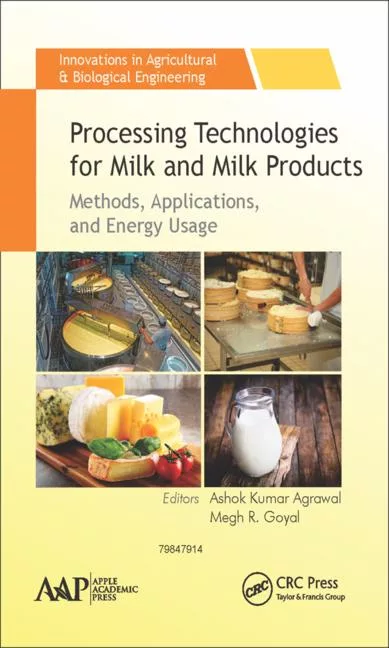
    • processing tech.jpg

      Processing Technologies for Milk and Milk Products: Methods, Applications, and Energy Usage

    See More Products

    Events

    View AllSubmit An Event
    • July 28, 2016

      Optimize Whey Protein Isolate Production: Discover New Opportunities from Whey Protein Phospholipid Concentrate Research

      On Demand Production of Whey Protein Isolates (WPI) have always been hampered by the creation of pro-cream. This occurs as a byproduct during the microfiltration step to remove the remaining cream in Whey Protein Concentrate to achieve 90% WPI. However, new advancements in WPI processing equipment alongside research conducted at the Wisconsin Center for Dairy Research, has helped increase value, awareness and applications for the use of Whey Protein Phospholipid Concentrate (WPPC).
    View AllSubmit An Event

    Related Directories

    • Muscoda Protein Products

    • Lynn Proteins

    ×

    Stay ahead of the curve. Unlock a dose of cutting-edge insights.

    Receive our premium content directly to your inbox.

    SIGN-UP TODAY
    • RESOURCES
      • Advertise
      • Contact Us
      • Directories
      • Store
      • Want More
    • SIGN UP TODAY
      • Create Account
      • eMagazine
      • Newsletter
      • Customer Service
      • Manage Preferences
    • SERVICES
      • Marketing Services
      • Reprints
      • Market Research
      • List Rental
      • Survey/Respondent Access
    • STAY CONNECTED
      • LinkedIn
      • Facebook
      • YouTube
      • X (Twitter)
    • PRIVACY
      • PRIVACY POLICY
      • TERMS & CONDITIONS
      • DO NOT SELL MY INFORMATION
      • PRIVACY REQUEST
      • ACCESSIBILITY

    Copyright ©2026. All Rights Reserved BNP Media, Inc. and BNP Media II, LLC.

    Design, CMS, Hosting & Web Development :: ePublishing