In 2024, the global average cost of a data breach hit $4.88 million, emphasizing the urgent need for cybersecurity in the dairy industry. With ransomware attacks escalating, dairy processors must adopt robust defenses and collaborate to safeguard against evolving threats.
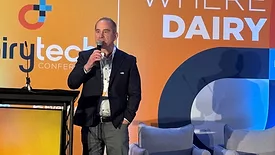
Uncover pivotal insights from IDFA’s DairyTech 2025 conference, where leaders emphasized the future of dairy supply chains. Focusing on artificial intelligence, resilience, and cost management, experts outlined strategies for navigating disruption and reshaping the industry for success.
Cybersecurity is a crucial component of maintaining a secure and efficient dairy plant. As hackers become more advanced and technology and artificial intelligence evolve, processors must employ best practices to ensure the security of their operations, data, products, and profits.
The prospect of cybercrime remains a never-ending, and increasingly dangerous, threat to dairy processors. Attackers are focusing more on critical infrastructures, leading to threats of food tampering and hacks into processing, transportation and storage systems that can result in food spoilage and, consequently, food poisoning and shortages.
The need for sophisticated cybersecurity is becoming an increasingly crucial necessity for dairy processors, particularly since they face the extra challenge of operating in a “living supply chain,” in which attacks to any part of the chain can lead to a food safety crisis, food shortage, animal welfare concerns, and reputational risk.
On May 30, 2021, meat processor giant JBS USA determined that it was the target of an organized cybersecurity attack, which impacted some of the servers supporting its North American and Australian IT systems.