Transformative changes are underway for the dairy industry in 2026, with new Dietary Guidelines promoting whole dairy products and the Whole Milk for Healthy Kids Act enabling diverse milk options in schools. These developments mark a "platinum era" for dairy, enhancing health and consumer choice.
As individuals eat, two processes occur: satiation and satiety. Satiation is the gradual feeling of fullness during a meal, influenced by factors like sight, smell, and texture. Satiety, explained by Mary Wilcox, is the satisfied state after finishing a meal.
The bill allows schools to provide students with a variety of fluid milk options, which can now include flavored and unflavored organic or conventional whole, 2%, 1%, skim and lactose-free milk.
Since expanding operations and moving from New Gloucester, Maine, 120 miles Northeast to Bangor, home of world-famous horror author Stephen King, Pineland Farms Dairy Co.’s growth and reputation has been anything but scary.
Across the globe, individuals consume an estimated 2.25 billion cups of coffee per day. Coffee contributes a range of biologically active compounds, including many with antioxidant activity.
As an ingredient in frozen desserts, milkfat is critical when delivering sensory appeal and resistance to heat shock. The actual percentage of milkfat depends on a number of factors, including regulatory considerations, nutrition fact objectives and sensory appea. Learn more from ice cream gurus, Steven Young and Bill Sipple.
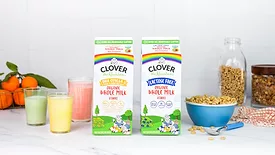
The new whole-milk offerings include lactose-free organic and DHA omega-3 with choline.
February 7, 2022
Clover Sonoma, a Petaluma, Calif.-based third-generation, family-owned and -operated dairy and Certified B Corporation, announced the addition of two new organic plus milks to its Clover the Rainbow line for kids: lactose-free organic whole milk and DHA omega-3 with choline organic whole milk.
After years of riding in the slow lane, the retail milk category got a pandemic-related jump last year. But since COVID-19-related panic buying subsided and some normalcy returned in 2021, milk sales felt the gridlock once again.
When we last reported on sales within the U.S. refrigerated retail milk category back in our February issue, the situation was quite rosy. Dollar sales had risen significantly during the 52-week reporting period, and unit sales growth was solid, too.




.webp?height=168&t=1679408908&width=275 "milk aisle graphic")