The dairy processing industry is evolving, leading to advances in packaging. According to Future Market Insights Inc., the global dairy packaging market is projected to grow from $25.9 billion in 2025 to $39.2 billion by 2035, with a compound annual growth rate of 4.2%.
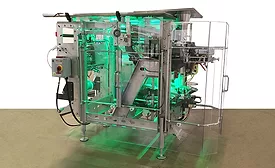
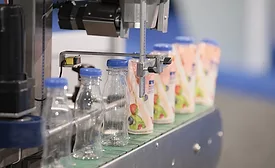
While the shift from rigid to flexible packaging formats requires strategic investments in equipment and processes, the right cap and spout system can simplify the transition – bringing clarity, consistency and efficiency to a complex change.
The latest innovations in materials, machinery and sustainability are shaping how secondary packaging supports the growing demands of dairy processors.
Dairy packaging has long been defined by its complexity. Moisture sensitivity, cold chain logistics and product variety all combine to make it one of the most technically demanding sectors in the food industry.
The dairy industry continues to evolve in response to consumer preferences, technological innovations, and sustainability. Among the critical elements driving this evolution is packaging, where both rigid and flexible options play critical roles.
The need to keep dairy products safe and fresh while distinguishing offerings is resulting in a greater processor demand for highly functional packaging designs.
Selecting the optimal packaging for their specific products and operating infrastructures can be an onerous endeavor for dairy processors. Companies seeking to maximize product quality, operating efficiencies and revenues must sort through a growing plethora of rigid and flexible options that consist of varying materials and elements.
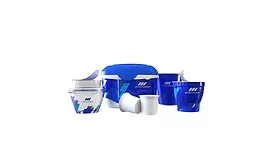
Rigid packaging is undergoing a makeover. With consumers and product manufacturers putting pressure on packaging suppliers to develop designs that are eco-friendly, alternatives with biodegradable elements and less bulk are becoming more prevalent and helping to fuel greater sector activity.
To compete in a crowded grocery store aisle, dairy processors are choosing rigid containers that help them stand out and connect with consumer preferences. Grocery shoppers frequently view packaging that shows environmental, and health, consciousness as being as important as the product inside.