Articles Tagged with ''3-A Sanitary Standards''
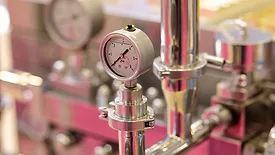
Processing Technologies
Why pumps and valves are the “backbone” of dairy processing
They move milk, cream, cheese curds, yogurt and other cultured dairy products consistently throughout each production stage.
Read More

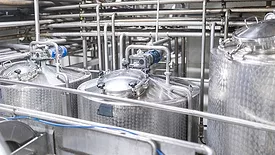
3-A Today
How 3-A Standards reduce risk when using AI equipment
As artificial intelligence (AI) transforms dairy operations, hygienic design standards give processors confidence to invest — and give equipment manufacturers a competitive edge.
Read More

3-A Today
Validating cleaning performance in dairy processing equipment
In rigorous protocols, food often requires three successful cleaning runs.
Read More




The right finish for a food contact surface: Are we protecting consumers?
How is technology and data impacting food safety and limiting recalls.
Read More


The future of dairy processing
Hygienic design principles meeting smart technology are sure to transform plants.
Read More
.webp?t=1747811691)