Tetra Pak launches Integrated Heat Pump system for pasteurizers
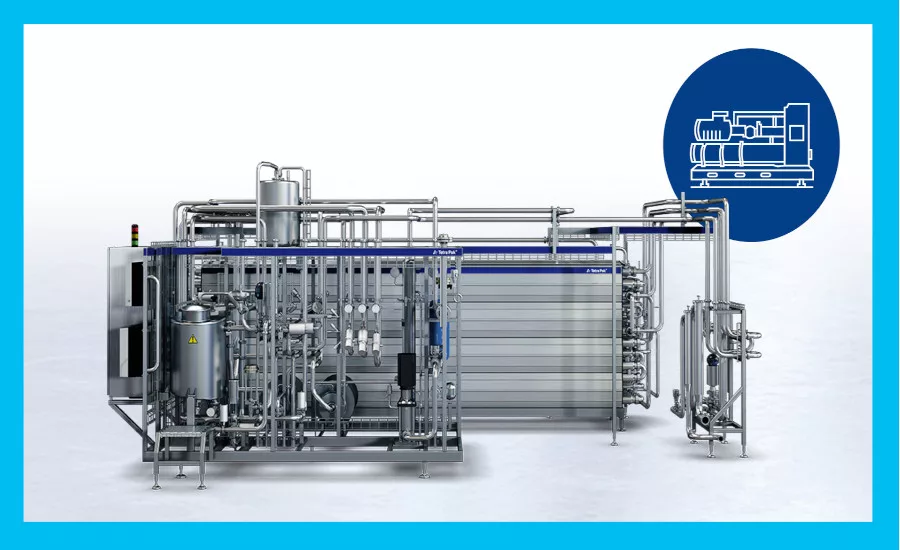
Tetra Pak expanded its Factory Sustainable Solutions portfolio with its Integrated Heat Pump system for pasteurizers, designed to help food and beverage (F&B) producers reduce energy use and cut costs.
It builds on the company’s existing pasteurization technology by introducing a high-efficiency electric heat pump that recovers and reuses heat from the pasteurization process. For every 1 kWh of electricity used, the system can recover up to 2 kWh of otherwise wasted heat – making it up to three times more efficient than a traditional boiler, the company said.
By combining heating and cooling in one integrated solution, the system also optimizes energy use across the pasteurization process. It upgrades low-temperature waste heat to higher temperatures and generates ice water for cooling. This dual function helps lower total energy consumption and operating costs, while supporting producers in reducing reliance on fossil fuels and exposure to volatile energy prices, Tetra Pak added.
“Food and beverage producers need smarter ways to reduce energy use without compromising performance. The new heat pump system delivers up to three times the efficiency of conventional boilers, recovering 2 kWh of heat for every 1 kWh of electricity5. By combining deep processing expertise with a global network, we work closely with customers to select the right solution and ensure seamless integration into their operations, supporting their shift toward more resilient, energy-efficient production," said Nicole Uvenbeck, Director Factory Sustainable Solutions and OEM Components at Tetra Pak,
Added Fiona Liebehenz, Vice President Key Components, Plant Solutions and Channel Management at Tetra Pak: “We’re proud that our long-standing experience in developing processing solutions for the food and beverage industry, together with a strong focus on innovation, has led to another important step forward. By blending advanced technology with a deep understanding of the daily challenges F&B producers face, we’ve developed a solution designed to make one of the most energy-intensive stages of food production more efficient.”
Looking for a reprint of this article?
From high-res PDFs to custom plaques, order your copy today!