How to manage the dairy supply chain
The dairy supply chain continues to face ongoing pressures including labor and transportation shortages, high fuel costs, evolving regulatory and food safety concerns and more.
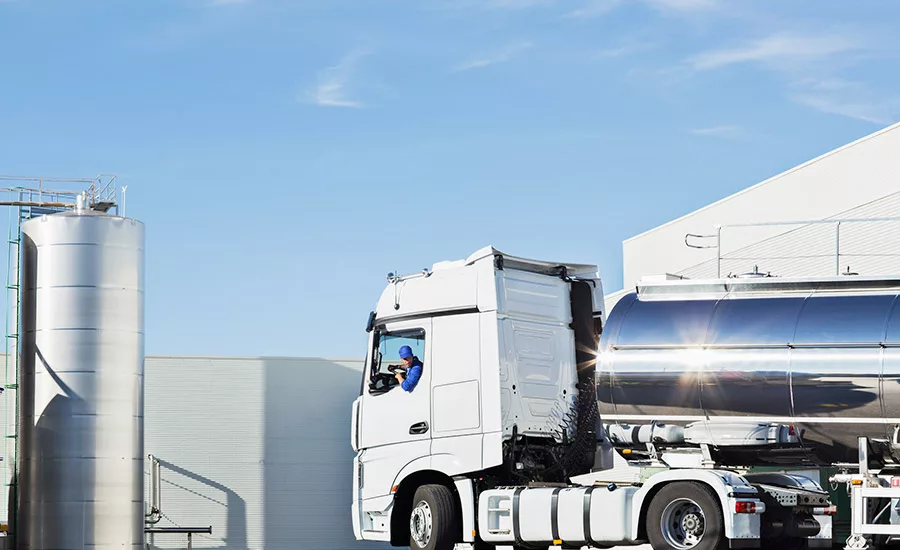
Photo courtesy of Martin Barraud / iStock / Getty Images Plus
Having a proper distribution system is essential to maintaining an efficient and effective dairy processing operation. The dairy supply chain continues to face ongoing pressures including labor and transportation shortages, high fuel costs, evolving regulatory and food safety concerns and more.
Regulatory standards are rapidly changing, and dairy producers must stay up to date on the latest developments to stay ahead. Dan Allen, director of business development for Clinton, Iowa-based Wagner Logistics, notes that a major regulatory focus point for the dairy industry right now is stricter enforcement of sustainability reporting requirements for greenhouse gas emissions, waste management and water usage.
“Additionally, food safety standards are becoming more stringent with greater emphasis on traceability systems that track products from farm to shelf, driven by consumer demand and regulatory updates like the FDA’s Food Safety Modernization Act rule on food traceability,” Allen says.
As traceability goals and initiatives becomes stricter, many processors are looking to bolster their efforts throughout the supply chain. Allen notes that dairy producers and distributors are both adopting advanced tracking systems, particularly in response to the rising demand for food safety and regulatory compliance. Producers and distributors are utilizing RFID tags and GPS-enabled transport.
“They are also demanding their distribution suppliers have more sophisticated warehouse management systems to provide these services,” Allen says.
Bryan Verbarendse, executive vice president and chief operating officer, Americas at Atlanta-based Americold, says traceability systems help processors not only ensure regulatory compliance, but foster consumer trust and provide deep insights for process improvements.
“This transparency is crucial for quickly addressing any issues that arise, such as contamination or recalls, thereby minimizing disruptions in the supply chain,” he says.
Verbarendse advises processors to keep an eye on all evolving regulations related to food safety, traceability and environmental sustainability to maintain compliance and competitive advantage in the market.
“Key areas include updates to the Federal Milk Marketing Order (FMMO) system, which impacts pricing and market dynamics, and new guidelines for enhanced traceability and sustainability reporting,” he says. Verbarendse also emphasizes that producers should stay up to date on international trade regulations and import and export restrictions.

Additional regulatory concerns for dairy processors include biosecurity, animal welfare, intrastate transportation requirements (weight and axle limits), and driver hours of service, says Chad Oginz, CEO of Denver-based M2X. “Preparing for mandatory digital traceability and emissions disclosures is crucial.”
Though sustainability and traceability initiatives are often both associated with higher input costs, dairy processors can leverage partnerships and programs that incentivize sustainable production practices. Mark Finger, vice president of operations for Lake Success, N.Y.-based Transervice, recommends processors explore both local and federal programs that can provide either guidance or financial incentives for environmental sustainability initiatives.
Technological advancements also are enabling dairy producers to have stronger distribution systems, resulting in more consistent product quality and performance. Finger notes that as technology continues to advance, producers are able to enhance visibility throughout the transportation cycle. Since this is where products are at their most vulnerable, high visibility throughout the transportation cycle is critical for dairy producers.
The labor equation
As labor struggles continue to plague the food and beverage industries, advancements in artificial intelligence (AI), automation and robotics are enabling processors and suppliers alike to optimize their workforce and streamline efficiencies. Wagner Logistics’ Allen notes that advancements in these sectors are transforming the dairy supply chain.
“AI helps forecast demand, optimize logistics, and manage supply chain disruptions by analyzing large volumes of market and operational data,” Allen explains. “Overall, these technologies create a more resilient, sustainable, and cost-effective dairy supply chain from farm to consumer with less labor and more accuracy.”
Labor shortages are particularly problematic when it comes to an industry made up of perishable goods. Allen relays that the ongoing labor shortage is forcing companies throughout the supply chain to pay higher wages or offer other incentives, which is contributing to higher overall operational costs.
“Additionally, inconsistencies in labor availability have led to disruptions in scheduling making it more difficult to meet delivery requirements,” he says.
While labor concerns will persist, technological advancements are allowing producers to adjust.
“Increased tech adoption streamlines workflows by automating processes and capturing institutional knowledge vital for organizations with high turnover,” M2X’s Oginz says. “This optimization technology enables businesses to reduce the need for drivers through route optimization, dispatchers via digital visibility, and administrative staff with digital documentation.”
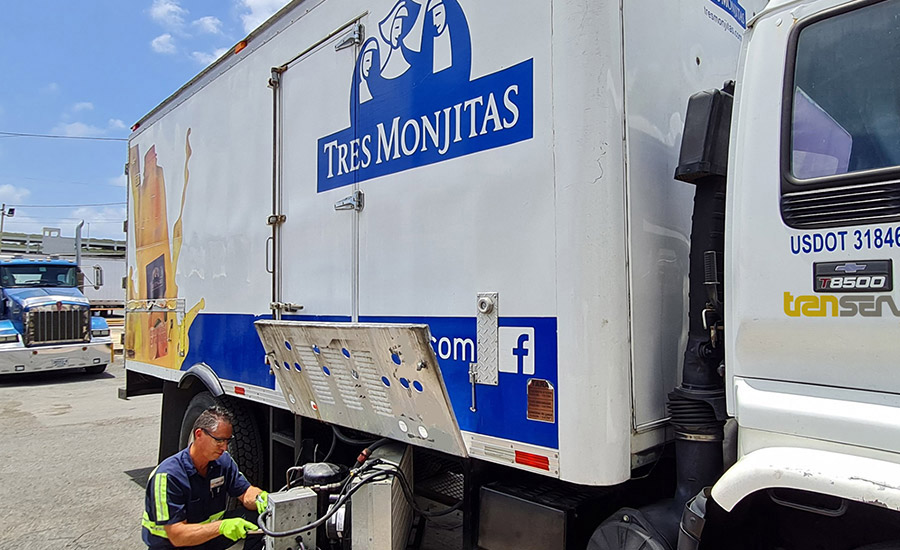
Strategic partnerships can benefit processors looking to optimize their logistics and transportation efforts. Transervice’s Finger mentions that partnerships can truly be transformative but should be well thought out and targeted toward operational improvements.
“It is vital that current operational performance be fully outlined in establishing a solid baseline from which any new initiatives will be measured to determine the effects,” Finger says. He recommends processors leverage benchmarking within the industry to gain valuable logistics and transportation insights.
In today’s uncertain economic environment, partnerships allow processors to leverage the latest capabilities in logistics, transportation and distribution without a hefty monetary commitment.
“These partnerships enable access to advanced technologies and expertise in route optimization, real-time monitoring and efficient load planning,” says Americold’s Verbarendse. “Collaborating with logistics experts helps in reducing transportation costs, minimizing spoilage and ensuring timely deliveries.”
Integration and adaptability are key to a streamlined, effective dairy distribution system. Oginz says, “All your partners should be willing to integrate with all your other chosen partners to create the best most efficient workflow for you.”
By focusing on a strong distribution system, dairy processors can set themselves up for success. Creating a competitive, stable distribution system requires strong communication and data visibility.
“Increasing consumer, regulatory and market demands mean processors with modern digital infrastructure will gain a significant market edge,” Oginz concludes.
Looking for a reprint of this article?
From high-res PDFs to custom plaques, order your copy today!