Clean label is a broad concept without a clear definition, but holistically, it’s about simplicity, clarity, and transparency. In fact, some ingredient suppliers only offer organic, non-GMO, and sustainably sourced ingredients.
The dairy supply chain continues to face ongoing pressures including labor and transportation shortages, high fuel costs, evolving regulatory and food safety concerns and more.
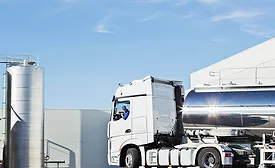
Having a proper distribution system is essential to maintaining an efficient and effective dairy processing operation. The dairy supply chain continues to face ongoing pressures including labor and transportation shortages, high fuel costs, evolving regulatory and food safety concerns and more.
The CCT Tool is an online searchable database providing a consolidated list of contaminant levels (e.g., tolerances, action levels, and guidance levels) that are used to evaluate potential health risks of contaminants in human foods.
Sugar reduction is not only top of mind for many consumers, but the U.S. Food and Drug Administration (FDA) as well. In January, the FDA proposed a front-of-package (FOP) nutrition label for most packaged foods.
To qualify as "healthy" under the updated definition, food products must contain a certain amount of a food from at least one of the food groups or subgroups outlined by the Dietary Guidelines for Americans including fruits, vegetables, protein foods, dairy and grains.
In January of 2009, the FDA proposed modernizing the yogurt standard of identity, with the goals of supporting recent technological advances and increasing consistency with international yogurt standards.
Food Safety Modernization Act (FSMA) regulations represent a paradigm shift in how food is regulated in the United States to protect consumers from foodborne illness. The act and its corresponding regulations not only place more responsibility on food manufacturers, but also provide FDA with substantial new authority to use when inspecting facilities.
The FDA’s Mitigation Strategies to Protect Food Against Intentional Adulteration (the “food defense rule”) covers approximately 9,800 food facilities, including dairy plants.