Tetra Pak launches the Dairy Hub Handbook

Courtesy of Tetra Pak
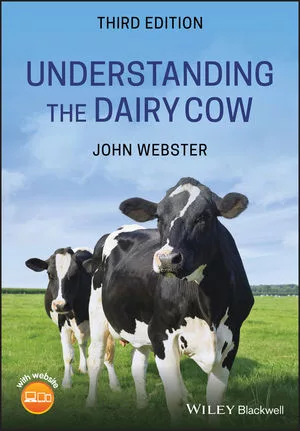
Tetra Pak launched the Dairy Hub Handbook, ahead of World Milk Day on June 1.
The handbook is a detailed guide to Tetra Pak’s Dairy Hub model, explaining its necessity, set-up and benefits for customers, individuals and communities as a practical solution to address food security and nutrition challenges. It showcases the company’s commitment to supporting local customers, as well as collaborating with non-government organisations (NGOs) and international development aid agencies to build resilient dairy value chains.
A Dairy Hub project connects smallholder farmers to a dedicated dairy processor in a selected region. By providing farmers with “hands-on” practical training and setting up appropriate milk collection infrastructure and technology, it boosts the supply of locally produced quality milk and cuts down food loss. As a result, the dairy processor gains a stable milk supply, while smallholder farmers access formal markets, boosting their productivity, profitability and livelihoods, Tetra Pak said.
“Access to adequate food is a basic human right and is of crucial importance for the enjoyment of other rights, as stated by the United Nations. With the global population expected to reach nearly 10 billion by 2050, the dairy industry plays an important role in global nutrition. At the same time, the livelihoods of one billion people are directly or indirectly connected to the dairy industry. In low-income countries, for instance, the FAO estimates that there are 238 dairy farms for every 10,000 people, said Lars Holmquist, (pictured) executive vice president at Tetra Pak.
That's why Tetra Pak, as a provider of advanced systems for food processing and packaging, initiated the Dairy Hub projects in 2011.
Tatiana Liceti, market operations executive vice president at Tetra Pak, added: “Every day, billions of people receive essential nutrition from consuming milk and dairy products, making dairy one of the basic building blocks of sustainable diets in most countries. A strong dairy sector can also support economic growth by improving the nutrition of the local population, creating jobs and contributing to Gross Domestic Product (GDP). By establishing a strong connection between smallholder dairy farmers and local dairy processors, Dairy Hubs can play a crucial role in nurturing a sustainable dairy value chain in countries where a formalised dairy industry is still developing.”
The number of Dairy Hub projects has been increasing year-on-year. Since its launch in 2011, 29 Dairy Hub projects around the world have been established, benefiting over 84,500 smallholder farmers, according to Tetra Pak.
Looking for a reprint of this article?
From high-res PDFs to custom plaques, order your copy today!