How to sort through the variables to leverage optimal printing, labeling, and shrink wrap systems
While such designs can strengthen dairy product merchandising, the wider range of options is making it more challenging for processors to pinpoint the most effective components.
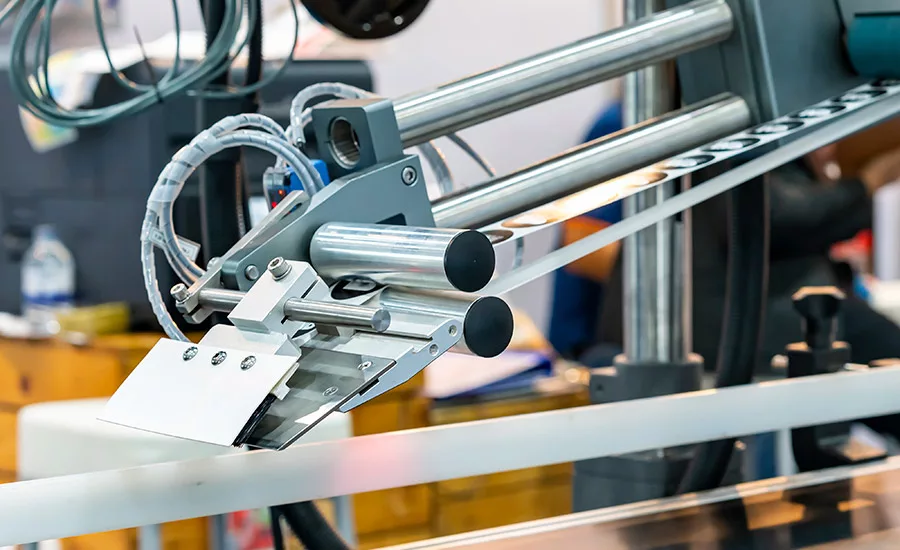
Photo courtesy of surasak petchang via Getty Images.
The ongoing development of increasingly functional technologies is both boosting, and adding befuddlement, to dairy processing operations.
This includes launches of the printing, labeling, and shrink-wrap systems that processors are leveraging for product identification, consumer education, and food safety. While such designs can strengthen dairy product merchandising, the wider range of options is making it more challenging for processors to pinpoint the most effective components.
For labels and shrink sleeves, for instance, operators must identify the correct format, stock, film, adhesive, and lamination, while also considering container type, says Leslie Gurland, vice president of sales and marketing for Fairfield, N.J.-based Premium Label & Packaging Solutions. “For a unique or hard-to-label shape container, a shrink sleeve is a better option,” she notes. “If it’s a recyclable container, the label and adhesive should be eco-friendly.”
In addition to utilizing the most pertinent materials, it is vital that processors select the appropriate applicators if they are to maximize productivity, says Tony Cook, CEO of Comstock Park, Mich.-based Great Lakes Label LLC. The aim is to have systems that will enable the label face stocks and adhesives to mesh with the specific food and beverage containers, he states, adding that label providers can suggest options and furnish die-cut blanks in the shape of the intended labels to test with the applicator.
Such internal sample trials should simulate the processor’s production and distribution processes and include the actual bottle or container that will undergo labeling, Cook says. After choosing the label stock, processors also can team with their label supplier to identify the liner material that will work best with their label applicator, he notes.

In pinpointing the best applicators, meanwhile, processors should consider cost; the containers currently in use and those they will likely leverage over time; and the label material that will be running on the applicator, Cook states. “There are many options, including the modular applicators that will allow processors to add elements in the future,” he says, noting, for instance, that such elements might involve attaching a wrap station for a new pint PET bottle line onto their existing gallon line applicator.
“Applicators are becoming smart pieces of technology with HMI screens that have pre-determined setup recipes and setup instruction videos for quicker changeovers and easier employee operations,” Cook states. “While processors may not need all of the bells and whistles today, they should determine if the applicator is suitable for future upgrades.”
It is crucial, too, that processors consider how the label materials and applicators will function together, he says, noting that some materials may not run well on all equipment. “Processors need to test the applicator’s performance on material before deciding on either," he notes.
A lot to contemplate
Processors also can bolster efficiencies, including having higher filling rates with minimal system downtime, by using equipment that operates with the optimal speed and incorporates the right-size labels, says Darrell O’Brien, vice president of sales at Waukesha, Wis.-based KDV Label. “With many plants filling multiple brands and several products during the course of a day, thoughtful design and material selection will maximize production efforts and enable swift changeovers,” he relays.
Understanding such variables as speed expectation, bottle size and weight, number of SKUs, and conditions at the point of application will enable processors to leverage the most effective labeling systems, O’Brien adds.
“Labeling applications can have a large effect on the overall efficiency of packaging lines and to reduce waste,” states David Holliday, director of marketing communications for Covington, Ky.-based ProMach Inc.’s EPI brand of primary packaging labeling automation systems and the ID Technology brand of labeling, coding and marketing automation systems.
He states that when choosing technologies, it is important that processors consider equipment that is easy for line operators to understand and use; review the necessary maintenance guidelines and availability of replacement parts; substantiate that vendors offer comprehensive training and support close to plant locations; and see that the equipment is versatile enough to handle different package types as needs change.
“Folks don’t want to spend a lot of time fiddling and adjusting labelers and printers to get them to accomplish their mission,” says Ryan Spencer, product marketing manager for Multivac Inc., a Kansas City, Mo.-based supplier of packaging, processing, labeling, and inspection technologies. He notes that integrating labelers and printers into a single packaging machine will make product changeover faster and more reliable.
“Applicators are becoming smart pieces of technology with HMI screens that have pre-determined setup recipes and setup instruction videos for quicker changeovers and easier employee operations. While processors may not need all of the bells and whistles today, they should determine if the applicator is suitable for future upgrades.”
— Tony Cook, CEO of Great Lakes Label LLC
In addition, leveraging integrated inspection devices that include barcode scanners and vision systems will better enable processors to identify potential problems before products leave the plant, such as containers with mismatched labels and missing printed date codes, Spencer states.
Processors also should evaluate hygienic design and determine how it influences a system’s ability to accept typical washdown and sanitization practices, he says.
Scrutinize the printing process
When assessing printing systems, meanwhile, operators must first decide if they will use surface or reverse printing while considering the number of colors and color combinations in use and the print complexity, says Marc Sorem, director of product development for TC Transcontinental, a Montreal-based flexible packaging provider and printer.
“Processors should select a print technology that achieves the desired look on the shelf,” he states, noting, for instance, that many processors are opting for matte and gloss print combinations on the same package to “stand out among the crowd.” Additionally, it is important that operators assess equipment reliability, speed, durability, regulatory compliance and cost-effectiveness, Sorem says.
“Structure and run length can determine which printing system is optimal for an application,” adds Hank Welter, TC Transcontinental vice president of manufacturing excellence. “Digital print systems, while excellent for short runs, do not scale well cost-wise and may limit substrate choices,” he notes.
Processors should review lifecycle expenses and benefits beyond the initial purchase price as well, Welter says, while also considering materials that respond to the greater market interest in sustainability, such as eco-friendly inks and substrates.
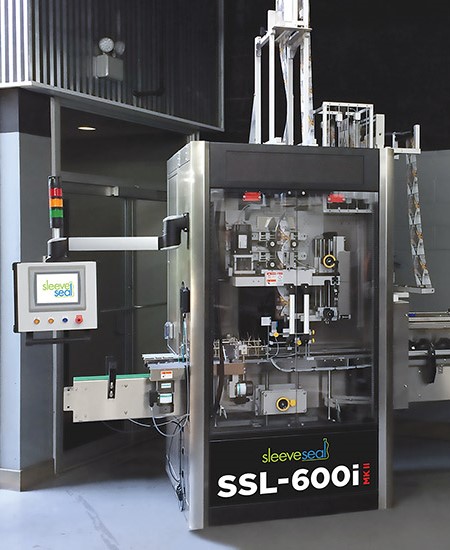
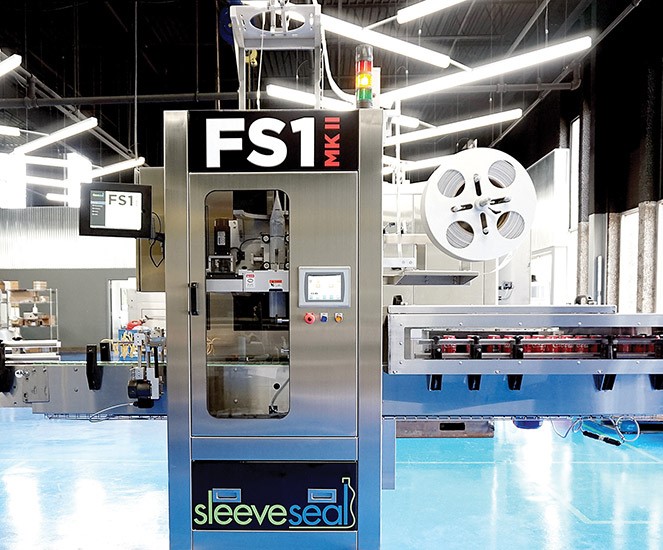
“Cost of ownership and efficiencies are big topics for processors to consider,” says Justin Slarks, director of marketing for Sleeve Seal, a Little Rock, Ark.-based developer of shrink labeling equipment. “We often see manufacturers buy equipment that only meets their current needs, which can be a limiting factor. Often, faster, more versatile equipment can be purchased for a little more and offer room for growth or expansion into new formats and markets.”
Additionally, the greater automation of processing operations is becoming increasingly important because of ongoing labor shortages and the need for greater operating efficiencies. “A single labeler that can handle multiple formats with painless changeovers can boost production and help manufacturers bring new and exciting formats to market,” Slarks explains.
Indeed, he states that a top complaint from processors is the lack of qualified system operators, which makes it important to use labelers that are smarter and require fewer workers to operate. “This design principle, combined with easy-to-maintain systems and easy changeovers, offers lower cost of ownership with the highest efficiencies,” according to Slarks.
An acceleration of upgrades
Printing, labeling, and shrink wrap designs, meanwhile, are rapidly evolving and becoming more effective.
Developers are enabling shrink sleeves to better block lighting and help extend the shelf life of products while providing stronger tamper-proof security, Premium Label & Packaging Solutions’ Gurland says. Newer technologies also are incorporating smart label systems that track and trace products throughout the supply chain and support product recalls and inventory management, she notes.
Printing enhancements include the use of temperature-sensitive inks and print separation technologies that enable the barcodes on labels and products to be invisible to the naked eye while remaining scannable at the checkout, TC Transcontinental’s Welter says.
Processors should further seek containers and label designs that feature specialty effects or tactile finishes to help distinguish the products in the retail case, Gurland notes. “Most products use similar colors and images and some, like milk, have universal color coding, which limits design options,” she states.
Working with a label supplier that understands each phase of the production cycle and is well-versed in all types of packaging equipment is important as well, Gurland says. By teaming with such vendors, processors can better avoid potential label application line problems while utilizing the proper formats to meet production needs, she notes.
Operators also will benefit from partners that can help them manage the physical and environmental constraints of processing plants, KDV Label’s O’Brien says, adding that high humidity and cramped conditions can prevent the installation of the most functional systems. “The degree of success in overcoming these challenges will be based on the extent of collaboration between the brand’s marketing, production, and procurement teams, as well as the involvement of packaging providers and equipment suppliers,” he states.
In addition, it is crucial that the plant’s technologies will not add unplanned downtime during production, ProMach Inc.’s Holliday says, noting, for instance, that a labeling system with redundant labeling heads will remove the need to stop operations for label replenishment.
Processing issues also can occur from small batch production runs, which often require systems with a high amount of flexibility and easy and fast changeover capabilities, Multivac’s Spencer notes. “Cut cheese or other products with irregular shapes can be tough to manage,” he states. “Label design and label application are crucial in delivering a label which adheres well and helps make an attractive package.”
Looking for a reprint of this article?
From high-res PDFs to custom plaques, order your copy today!