Plant-based milk alternatives top $3B in sales
Blends of plant proteins help overcome nutritional shortfalls.
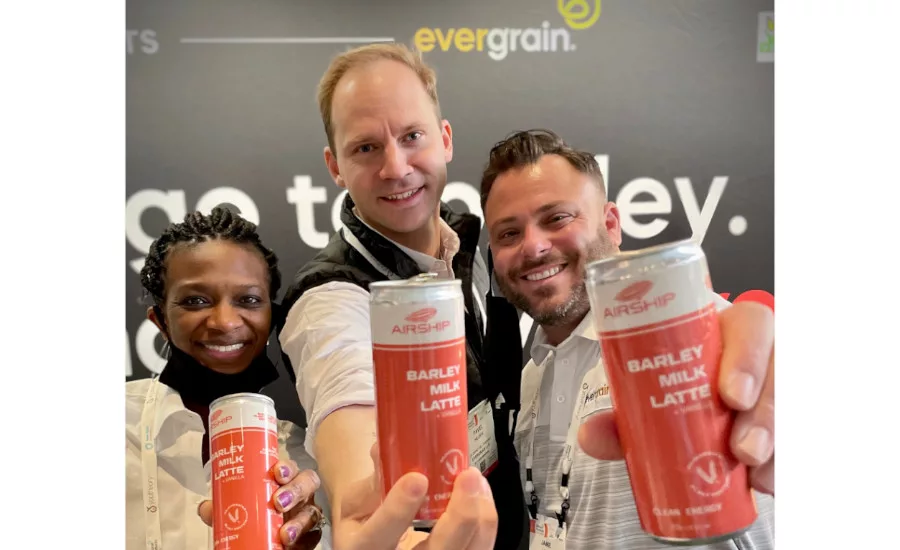
A new American-made cold brew and barley milk latte with vanilla recently hit the market. Made from spent barley grain, the Cold Brew + Barley Milk + Vanilla drink is naturally sweet with zero added sugar. Photo courtesy of Airship

Retail sales of plant-based milk alternatives have reached $3.1 billion dollars in the United States and $20.9 billion worldwide. Statistica data also revealed that milk alternatives is the largest category of plant-based foods, exceeding meat, ready-made meals, and ice cream products.
An April 2022 report by Acosta found that 40% of today’s shoppers buy plant-based meat and/or dairy alternatives, and those shoppers cite health as their key motivating factor. But how do plant-based milk alternatives stack up to real dairy milk in nutrition, flavor, texture, and cost?
Protein shortfall
There are hundreds of plant-based dairy alternatives on the market, with almond and oat milks being the most popular among consumers. According to IBISWorld, revenue in the soy and almond milk production industry increased at an annualized rate of 6.3% to $2.8 billion during the five-year period ending 2021.
Surging in popularity at No. 2, oat milk was valued at $360.5 million in 2019, and is projected to reach $995.3 million by 2027, at a compound annual growth rate (CAGR) of 13.4% from 2021 to 2027, Allied Market Research states.
Yet, there’s no disputing the power of nutrients found in real dairy milk. In fact, real dairy milk contains nine essential nutrients, including 8 grams of protein; while almond milk, the most popular milk alternative, contains only 1 gram. Oat milk, a rising star in the category, contains 4 grams of protein. The protein digestibility-corrected amino acid score (PDCAAS) for oat (0.45 to 0.51) and almond (0.44 to 0.48) proteins are significantly lower than the PDCAAS for dairy protein.
Pea protein — the workhorse for protein fortification in a wide range of plant-based dairy alternatives — has a higher PDCAAS (0.78) than oats or almonds.
“Nut-based proteins typically have protein levels of 50% or less. As a result, products that use nut-based proteins as their lead protein source will often turn to pea protein to achieve their nutritional targets. As an added bonus, pea protein also adds viscosity and mouthfeel to these finished products,” says Melissa Machen, senior technical services specialist at Minneapolis-based Cargill.
“Real dairy milk, which sells for around 3 to 4 cents per ounce, is a bargain compared to plant-based milks, which typically retail for 10 to 15 cents per ounce.”
Soy milk has a PDCAAS close to 1, but there were few soy options on the shelf. Cashew milk has a high PDCAAS (0.90) and cashew protein is also used in a variety of plant-based cheese alternatives. Overall, protein quantity and quality of plant-based milk alternatives fall short of that of real dairy milk.
Other options available at local grocery stores include hemp milk, coconut milk, sesame milk, avocado milk, macadamia milk, rice milk, and barley milk.
A 2018 review by Maastricht University, “Protein Content and Amino Acid Composition of Commercially Available Plant-Based Protein Isolate,” details the shortfalls of plant protein. The authors noted that plant-based proteins have relatively low essential amino acid and leucine contents when compared with animal-based proteins and human skeletal muscle protein.
Plant protein blends
Plant protein blends may provide the best solution to the protein quality dilemma, and may also provide functional advantages. Here are a few examples of new plant-based beverage milk alternatives hitting the market.
Bentonville, Ark.-based Airship introduced a new American-made cold brew and barley milk latte with vanilla. Made from spent barley grain, the Cold Brew + Barley Milk + Vanilla drink is naturally sweet with zero added sugar and offers 4 grams of plant protein per 12-ounce slim can.
Ripple Foods, Emery, Calif., recently announced a new oat and pea protein beverage. The creamy oat milk contains 6 grams of plant-based protein per serving, with 50% less sugar and 50% more calcium than dairy milk, the company says.
San Diego-based Strive recently introduced animal-free milks, using bio-engineered dairy proteins, either alone or combined with oat or almond protein. Read more about bio-engineered dairy proteins in my October column.
Experts note the rise in blended proteins. Machen explains:
“When you blend pea protein and rice protein, it’s possible to create a complete amino acid profile with a PDCAAS of 1. Nutritionally, sunflower and pumpkin proteins are also good partners with pea protein.”
Another new innovation is EverPro, which is the “world’s only Upcycled Certified, non-GMO barley and rice protein [that] solves some of the biggest challenges in dairy alternative formulation — from taste and texture to subpar nutrition and beyond,” states Pavel Hejsek, EverPro product owner.
“The use of EverPro reduces the need for, and thereby the costs of, bitter blockers and ‘helper’ proteins that are more expensive and challenging to procure. Furthermore, combining EverPro with pea protein delivers a PDCAAS closer to 1.0 and delivers an optimal taste experience,” Hejsek adds.
Plant-based milks have varying levels of sugar and fortification with other nutrients. An interesting trend is to fortify plant-based milks with vitamin B12, which is typically lacking in vegan diets.
Plant-based milk and ice cream alternatives score well on flavor and functional attributes, but plant-based cheeses remain more challenging. To date, plant proteins struggle to duplicate the stretch and melt properties of real cheese. The yogurt alternative category also struggles with textural issues.
Today’s consumers are watching their food dollars closely. Real dairy milk, which sells for around 3 to 4 cents per ounce, is a bargain compared to plant-based milks, which typically retail for 10 to 15 cents per ounce.
Looking for a reprint of this article?
From high-res PDFs to custom plaques, order your copy today!