Exploring the growth of plant-based milk alternatives
The plant-based milk alternatives market now accounts for around 10% of the global 'milk' market.
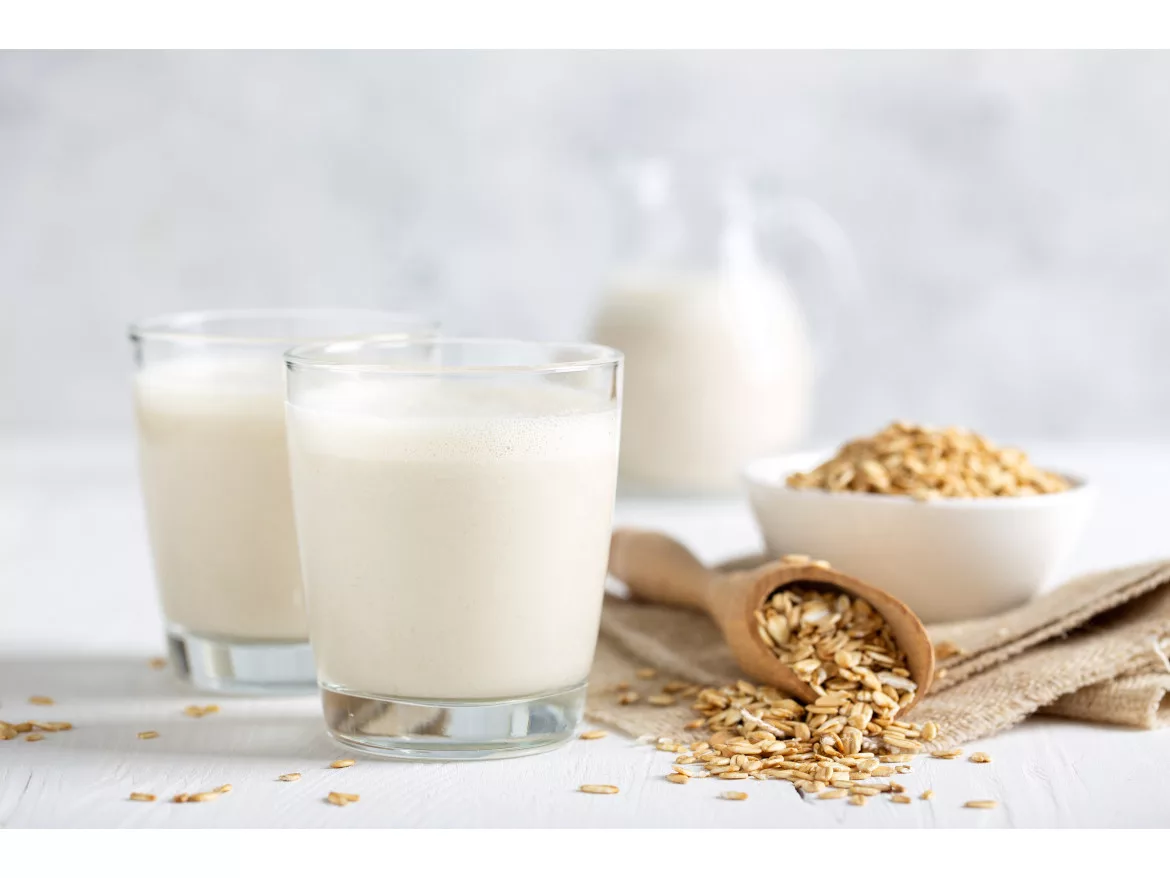
There are two main methods for processing plant-based milk alternatives: wet or dry.
Plant-based milk alternatives are the largest plant-based food category in North America and grew 5% last year. In fact, the plant-based milk alternatives market now accounts for around 10% of the global “milk” market, and the growing number of consumers of plant-based milk alternatives have more choices than ever before.
The most popular plant-based milk alternative type in North America is currently almond (which occupies almost two-thirds of the market), followed by oat (the fastest-growing product type) and soy. However, the sector is full of innovation.
The range of plant-based milk alternatives also allows for consumers to express their tastes and identities as cafes and restaurants open up after lockdown. As one industry analyst said earlier this year, “To choose your specific type of plant-based milk in Starbucks seems to be a way of identifying yourself.”
Production of plant-based milk alternatives
Contrary to public perception, the idea of plant-based milk alternatives is not new. Products made from soybeans have a long history in China (where recorded production dates to 1365), while almond products were recorded in the Middle East in the 13th century.
There are two main methods for processing plant-based milk alternatives: wet or dry. The wet process involves soaking and grinding the raw material in large volumes of water for up to 12 hours. In some cases, enzymes are added to hydrolyze starches (for example in oat products).
The dry process involves milling the raw material into a flour or powder, which is then processed to separate the starch, protein and fiber as desired before being hydrated. As a result, dry production processes can result in a higher protein content in the finished product.
Disadvantages of plant-based milk alternatives
Plant-based milk alternatives cannot match the natural nutrition profile of dairy milk in terms of protein levels and essential amino acids. However, they are lower in saturated fat and cholesterol than non-skimmed milk, as well as free of lactose.
Plant-based milk alternatives are not immune from criticism, and in some countries and regions, including the European Union and Mexico, such products cannot be sold or marketed as “milk” or “yogurt.” In addition, supporters of dairy milk say plant-based drinks are highly processed and full of additives, while dairy milk is simply homogenized and pasteurized.
Maintaining quality and demand
Where possible, combining processes such as dilution and sterilization can provide benefits and reduce overall processing of the product. The benefit of sterilizing using direct steam injection is the speed of the process, with sterilization temperatures of 212 to 293 degrees Fahrenheit being reached in around a second — much quicker than the fastest heat exchanger systems. For products such as plant-based milk alternatives, this rapid heating prevents cooking of the product and formation of caramel-type compounds that can darken the product or produce unwanted flavors.
It is also useful for grain-based products such as oat milk alternatives, which benefit from the additional dilution with water that the food-grade steam provides, but the type and model of heat exchanger chosen will depend on many different factors, such as the nature of the process to be carried out (pasteurization, sterilization, dehydration, etc.) and the viscosity of the drink being processed.
Whatever plant-based milk alternative you are producing, it is important to remember that plant-based milk alternatives have the same requirements for pasteurization, sterilization, cooking and cooling as other beverages that contain specific ingredients. It is, therefore, crucial to invest in the most effective and efficient processing technology for all stages of production.
Plant-based milk alternatives are the largest plant-based food category in North America and grew 5% last year. In fact, the plant-based milk alternatives market now accounts for around 10% of the global “milk” market, and the growing number of consumers of plant-based milk alternatives have more choices than ever before.
The most popular plant-based milk alternative type in North America is currently almond (which occupies almost two-thirds of the market), followed by oat (the fastest-growing product type) and soy. However, the sector is full of innovation.
The range of plant-based milk alternatives also allows for consumers to express their tastes and identities as cafes and restaurants open up after lockdown. As one industry analyst said earlier this year, “To choose your specific type of plant-based milk in Starbucks seems to be a way of identifying yourself.”
Production of plant-based milk alternatives
Contrary to public perception, the idea of plant-based milk alternatives is not new. Products made from soybeans have a long history in China (where recorded production dates to 1365), while almond products were recorded in the Middle East in the 13th century.
There are two main methods for processing plant-based milk alternatives: wet or dry. The wet process involves soaking and grinding the raw material in large volumes of water for up to 12 hours. In some cases, enzymes are added to hydrolyze starches (for example in oat products).
The dry process involves milling the raw material into a flour or powder, which is then processed to separate the starch, protein and fiber as desired before being hydrated. As a result, dry production processes can result in a higher protein content in the finished product.
Disadvantages of plant-based milk alternatives
Plant-based milk alternatives cannot match the natural nutrition profile of dairy milk in terms of protein levels and essential amino acids. However, they are lower in saturated fat and cholesterol than non-skimmed milk, as well as free of lactose.
Plant-based milk alternatives are not immune from criticism, and in some countries and regions, including the European Union and Mexico, such products cannot be sold or marketed as “milk” or “yogurt.” In addition, supporters of dairy milk say plant-based drinks are highly processed and full of additives, while dairy milk is simply homogenized and pasteurized.
Maintaining quality and demand
Where possible, combining processes such as dilution and sterilization can provide benefits and reduce overall processing of the product. The benefit of sterilizing using direct steam injection is the speed of the process, with sterilization temperatures of 212 to 293 degrees Fahrenheit being reached in around a second — much quicker than the fastest heat exchanger systems. For products such as plant-based milk alternatives, this rapid heating prevents cooking of the product and formation of caramel-type compounds that can darken the product or produce unwanted flavors.
It is also useful for grain-based products such as oat milk alternatives, which benefit from the additional dilution with water that the food-grade steam provides, but the type and model of heat exchanger chosen will depend on many different factors, such as the nature of the process to be carried out (pasteurization, sterilization, dehydration, etc.) and the viscosity of the drink being processed.
Whatever plant-based milk alternative you are producing, it is important to remember that plant-based milk alternatives have the same requirements for pasteurization, sterilization, cooking and cooling as other beverages that contain specific ingredients. It is, therefore, crucial to invest in the most effective and efficient processing technology for all stages of production.
