Dairy processors catch the packaging wave
A growing array of packaging technologies and materials is helping to make dairy products more appealing, but leveraging the ideal options can be challenging.
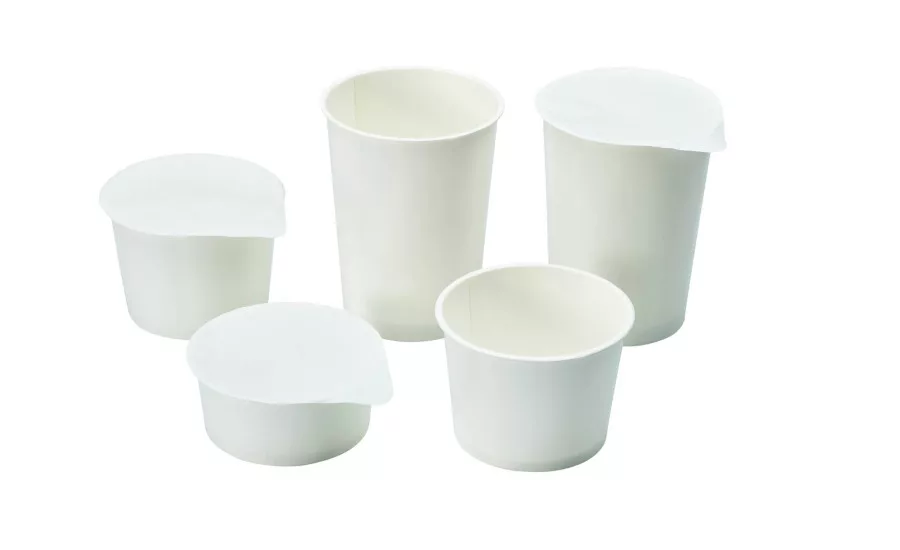
Paper cups in a range of sizes are becoming more popular sustainable options, but moisture and heat can damage the material. Photo courtesy of Syntegon
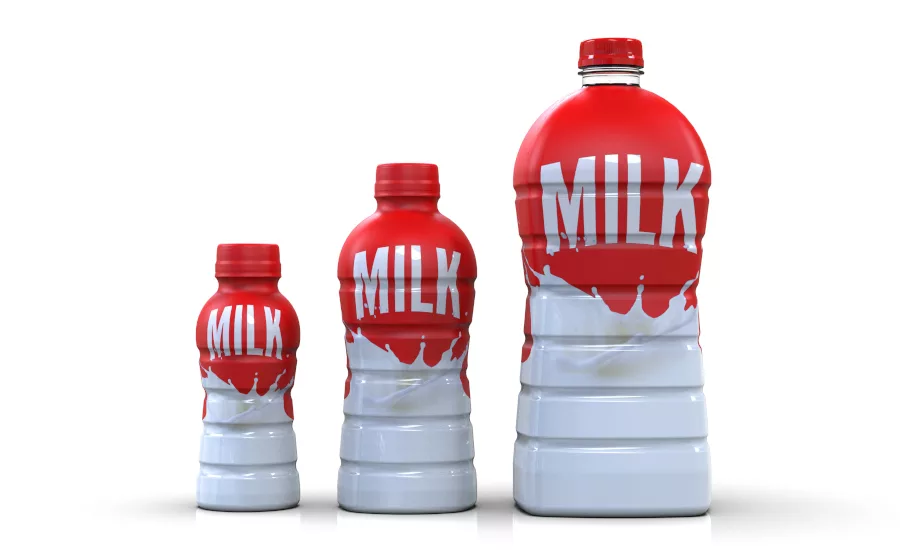
A wider array of package sizes, including smaller milk containers that better serve the one-the-go shopper, is become more prevalent. Photo courtesy of Amcor Rigid Packaging
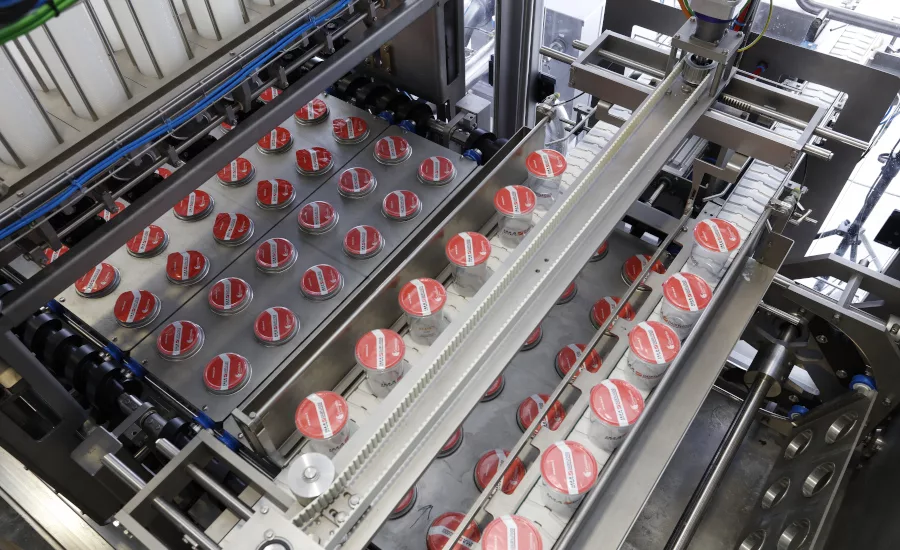
Sustainable-conscious processors are filling dairy products into eco-friendly cups. Photo courtesy of IMA Dairy & Foods USA Inc.
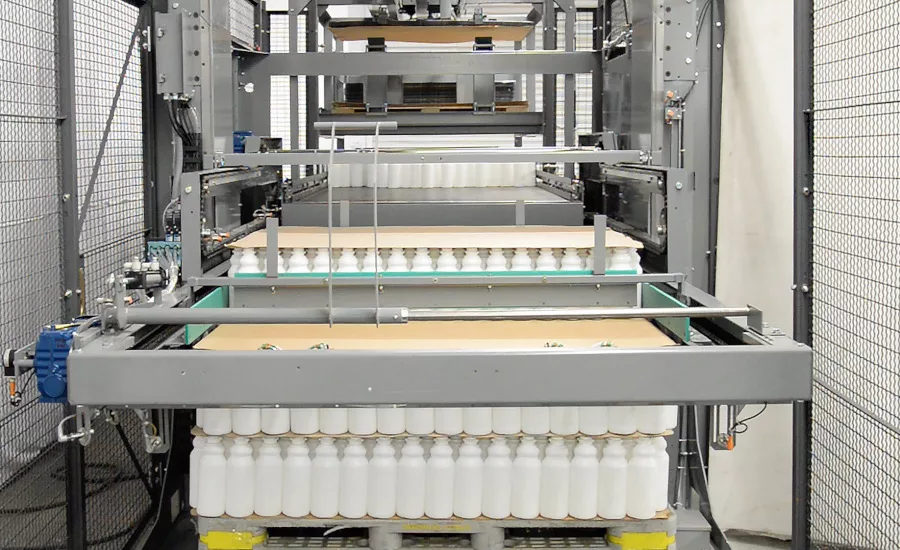
Depalletizers are supporting a variety of dairy package styles. Photo courtesy of A-B-C Packaging Machine Corp.
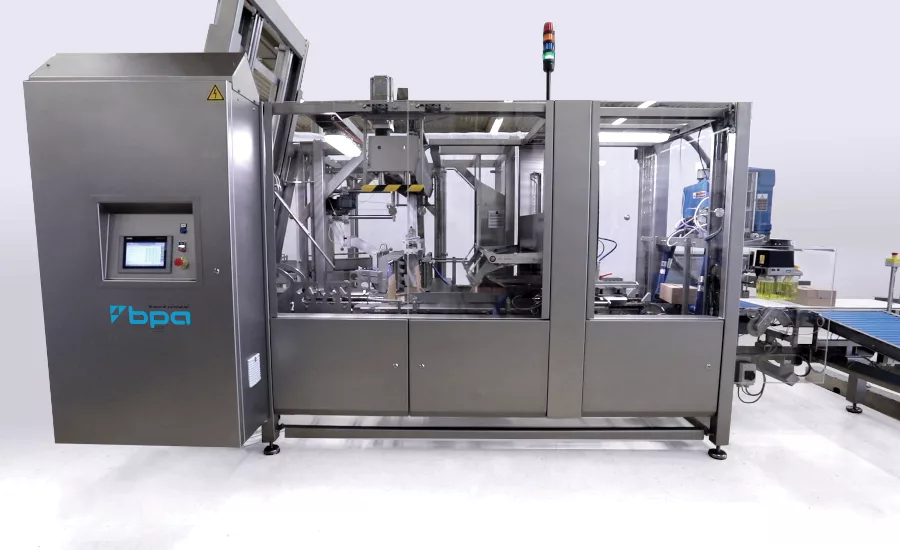
Newer wrap-around case packer designs pack products into die-cut packaging, which forms directly around the product and provides better strength for palletizing and distribution. Photo courtesy of BluePrint Automation
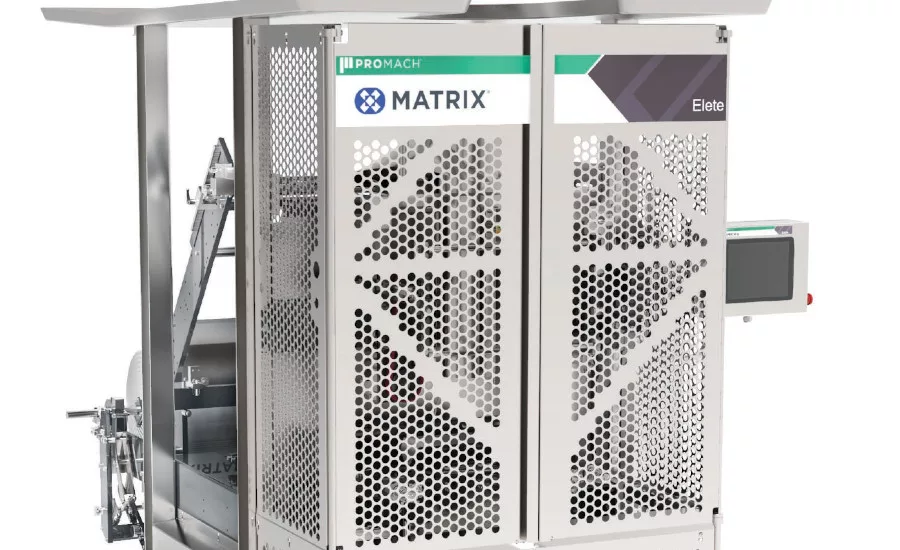
Vertical-form-fill seal machines are among the wide range of equipment supporting packaging applications. Photo courtesy of ProMach Inc.
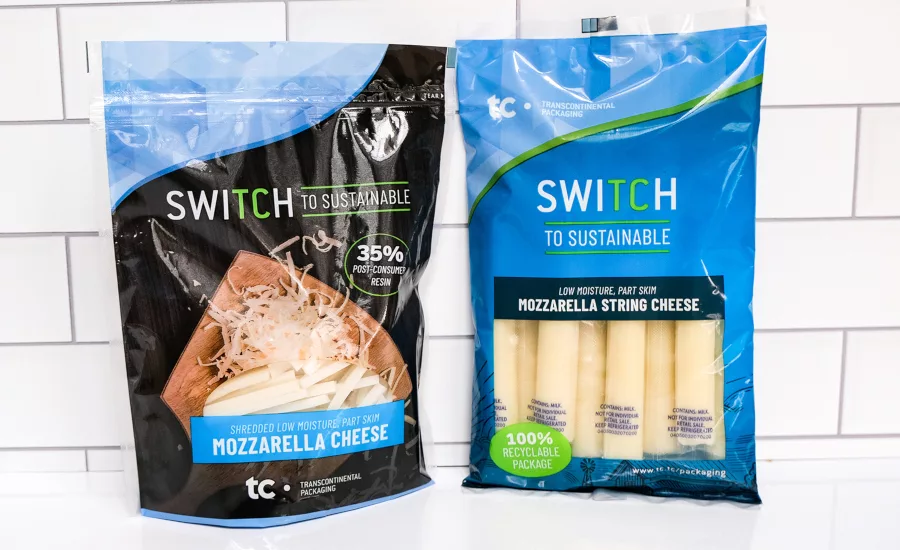
Consumers are increasingly seeking sustainable packaging when purchasing dairy products.
Photo courtesy of TC Transcontinental Packaging
The dairy packaging sector is becoming an increasingly active center of innovation. Growing shopper interest in sustainability, along with changing eating habits, is resulting in the steady development of more eco-friendly designs and packaging in a wider array of shapes and sizes.
“New consumer behaviors have brought a paradigm shift to dairy packaging,” says Greg Rosati, vice president, strategy and marketing, specialty containers, for Ann Arbor, Mich.-based Amcor Rigid Packaging.
He notes, for instance, that more consumers are having milk in smaller portions when they are on the go, after a workout, in their lunch boxes and at home.
“The days of the 1-gallon jug and … half-gallon cartons as the preferred way to package milk [are] dwindling. This next decade is going to bring transformation to an industry steeped in tradition,” Rosati says.
Changes will include the use of more sustainable materials such as post-consumer resin and packaging that can extend the shelf life of products for up to a year, he says.
Busier shopper lifestyles, meanwhile, are leading to greater demand for single-serve portion packaging. There also is more interest in designs that emphasize food safety, convenience and sustainability, says Jonathan Viens, sales and marketing manager for Oldsmar, Fla.-based Osgood Industries LLC, a Syntegon company. The company is a designer and manufacturer of custom-made inline and rotary cup filling machines.
“Portable and snackable single portions of items are gaining immense popularity in the market as customers, particularly those in affluent western nations, are more weight-conscious,” states Mordor Intelligence, a Hyderabad, India-based market intelligence and advisory firm.
Mordor projects the U.S. dairy packaging market to have a compound annual growth rate of 2.2% from 2021 to 2026, with plastics playing a major role.
“Plastics are the best marketing solution for dairy products in the current market scenario,” the firm states. “Favorable properties such as low costs, lightweight [design] and less shrinkage help companies reduce transportation costs and carbon footprint.”
More processors also are likely to leverage packaging that helps prevent foodborne illness as developers follow the FDA’s Food Safety Modernization Act (FSMA), Viens says. FSMA, which took effect in 2011, is intended to transform the nation’s food safety system by shifting the focus from responding to foodborne illness to preventing it. “Product safety remains the highest priority when switching to new packaging materials,” Viens says.
In addition, greater use of aseptic packaging may occur in response to the COVID-19 pandemic, says Patrick Carroll, president of IMA Dairy & Food USA Inc., a Leominster, Mass.-based provider of packaging machinery, technology and services.
“‘Fresh from the farm’ limited processing may not be as appealing to the consumer today as it was before the pandemic,” he says, adding that by adopting aseptic packaging, processors will be able to extend product shelf life and eliminate the need for refrigeration.
In aseptic packaging, the food or beverage is sterilized by quick exposure to ultra-high heat, rapidly cooled to an ambient temperature and filled into sterilized containers. The containers are then sealed in a commercially sterile environment.
Anticipate implementation obstacles
While such developments can help make dairy products more appealing, they also may create production challenges for processors that need to adopt new equipment, platforms, materials and processes to support the next generation of packaging, Rosati says. Many systems, for instance, were not designed to handle single-serve or smaller-sized multi-serve bottles made from newer materials with barrier protection.
“Consumer demand is pulling the industry into a new frontier where there’s more variety and sustainability is more important than ever,” he says. “Operations require a reset to accommodate this new generation of packaging.”
Dairy packaging technologies also will likely need to run multiple sizes and configurations, which will require additional equipment and capabilities, Carroll says.
“The smaller processors will have challenges with the cost of new innovations and the adaption of aseptic processing, which in some cases may not be possible,” he says. “The larger processors will be better equipped for the capital and infrastructure costs associated with the potential shift in the dairy market.”
The use of eco-friendly packaging materials by processors also will become increasingly prevalent, analysts say.
“Sustainability will drive the entire flexible packaging industry, including the dairy market,” says Michael Sachau, market development director for TC Transcontinental Packaging, a Chicago-based flexible packaging supplier. He notes that it is important to have a “circular economy” in which all players from sourcing, manufacturing and end-of-life management are accountable to create sustainable packaging.
“This will include working directly with dairy processors to ensure that we achieve not only sustainable packaging, but the proper infrastructure to support a circular economy,” he states.
Recent TC Transcontinental launches include two sustainable packages for cheese: a post-consumer recycled film for shredded cheese and a recycle-ready overwrap for fresh cheese.
In addition, Stanpac Inc., a Smithville, Ontario-based manufacturer of packaging supplies that include ice cream packaging, manufacturing food containers and paperboard ice cream cups, is introducing paperboard packaging with a water-based dispersion coating that replaces the traditional polyethylene (PE) plastic packaging.
Sustainability sells
“The focus is green,” says Murray Bain, Stanpac vice president of marketing, adding that the dairy sector’s embrace of eco-friendly packaging will enable processors “to better appeal to consumers who are demanding environmental advances in the packaging they use.”
“Whether a product is sustainable can make or break a sale by consumers,” agrees Eric Richard, industry relations coordinator for the Madison, Wis.-based Dairy-Deli-Bakery Association. “There is a large base of shoppers who are specifically looking at sustainability and will not purchase a product without the assurance that the manufacturing was done in a sustainable fashion.”
While Bain states that sustainable designs “come with a cost,” he notes that “as more companies adopt new technologies, economy of scale will bring costs back in line.” Still, it is important that dairy processors determine the type of packaging that their customers will support and pay for.
“With consumers demanding change and making choices with their purchasing dollars, processors will need to adapt,” he notes.
Viens, meanwhile, states that packaging equipment “needs to offer greater flexibility to package products of varying levels of viscosity, as well as handle different materials to increase recyclability. “Reconsidering conventional packaging concepts with regard to plastic and recyclability [is] on the rise,” he says.
Interest is growing, for instance, in reusable or peel-off lids with integrated drinking openings as alternatives to plastic snap-on lids for refrigerated drinks, Viens says. Besides reducing the plastic content and improving recyclability, the environmental impact of packaging also extends to lower carbon emissions as a result of less packaging weight and product waste.
Additional dairy packaging enhancements will likely include designs that extend product shelf life by improving residual oxygen levels, says Chris Higgins, regional sales manager for the Saukville, Wis.-based Matrix brand of packaging equipment from ProMach Inc. Such packaging will help dairy processors expand their geographic reach, he states.
There also will be an increase in the use of robotics for packaging operations because of labor shortages and the need for yield improvement, Higgins says, which will lead to “profitability maximization after an upfront investment to streamline secondary packaging.”
Packaging developers, meanwhile, will provide more sizes for products sold in retail outlets, including those in club stores, says Mike McCann, packaging specialist for Reiser, a Canton, Mass.-based supplier of processing and packaging equipment.
He concurs that packaging operations will feature more automation because of labor shortages, but adds that it can necessitate changes to plant layouts and cause problems for processors that have work spaces “loaded” with equipment with no room to expand.
Operators can help address such issues by seeking smaller all-in-one packaging systems, says Jerry Buckley, south central sales manager for BluePrint Automation (BPA), a South Chesterfield, Va.-based designer, developer and manufacturer of case packers and tray packing solutions for flexible and packaging such as stand-up pouches, pillow bags and four-sided sealed bags.
Dairy packaging will further evolve for use in more display cases. Shelf-ready designs eliminate the need for retail clerks to unpack and place products correctly on store shelves while enabling processors to better control the display of their selections, he adds.
Choosing technologies can be tricky
The need to maintain high processing efficiency while minimizing faulty packaging rejects is another issue in the transition to next-generation packaging, Viens says. He notes, for instance, that paper packaging damages more easily than plastic, making the “handling of the product within the machine and during product shipment much more challenging.”
“It is necessary to test new materials on the existing packaging line to ensure disinfection and mechanical handling such as denesting and sealing work properly with the new material,” Viens says.
The myriad packaging options also can make it arduous for processors to pinpoint the optimal equipment, says Bryan Sinicrope, vice president of marketing and integrator sales for Tarpon Springs, Fla.-based A-B-C Packaging Machine Corp.
“Processors can choose between traditional and robotic equipment, and these technologies both have their place,” he says. “It is important to weigh the advantages of each, as machine automation translates to performance and return on investment for your operation.”
Processors purchasing new packaging technologies should ensure the designs have the flexibility to support future demands, Sinicrope states.
“But it’s not necessary to buy a machine pre-programmed for all your potential uses,” he says. “Virtually all equipment can be easily programmed to run different sizes and speeds when needed in the future.”
Sinicrope notes, however, that configuring an existing line to run new packages and packaging styles can be difficult.
“Adding a new bottle or package size to run on older equipment may be a challenge if it lacks that flexibility,” he says. “Then the question becomes, ‘Is it better to retrofit or replace?’”
Operators can best determine the most effective packaging to leverage for their specific products and situations through competitive analysis and market research, as well as by understanding original equipment manufacturer capabilities and the associated costs of different formats, Higgins says.
“Dairy packaging will continue to evolve to meet consumer’s preferences, which include both convenience and sustainability issues,” Sinicrope says. “Processors who address consumer preferences will have a marketing advantage.”
Viens agrees.
“Addressing current market trends helps dairy processors stand out from the competition at the point-of-sale, expand market shares and build trust.”
Looking for a reprint of this article?
From high-res PDFs to custom plaques, order your copy today!