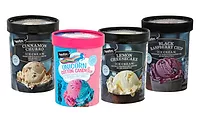
Private label dairy is chasing innovation
Today’s private label dairy products are aiming for differentiation to help drive retailer loyalty.


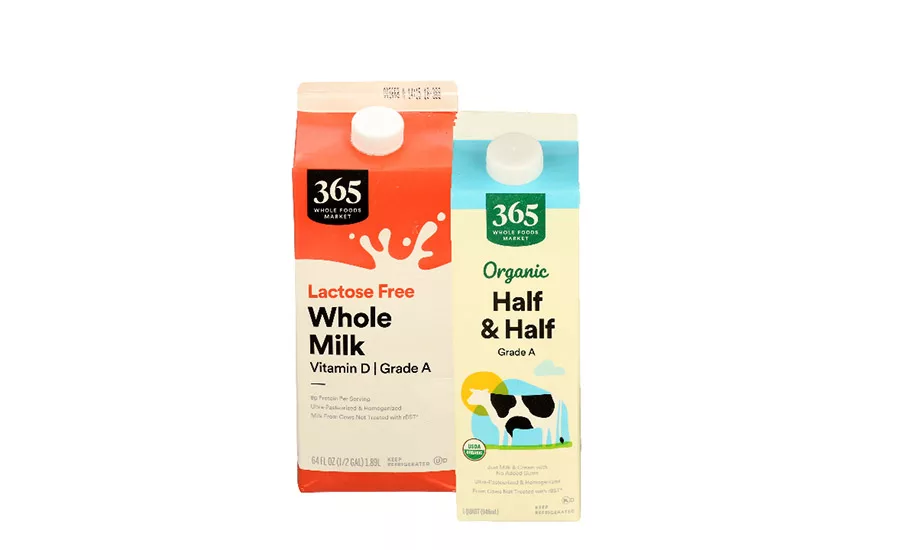
Whole Foods Market recently added organic half & half and lactose-free milk under its 365 brand.
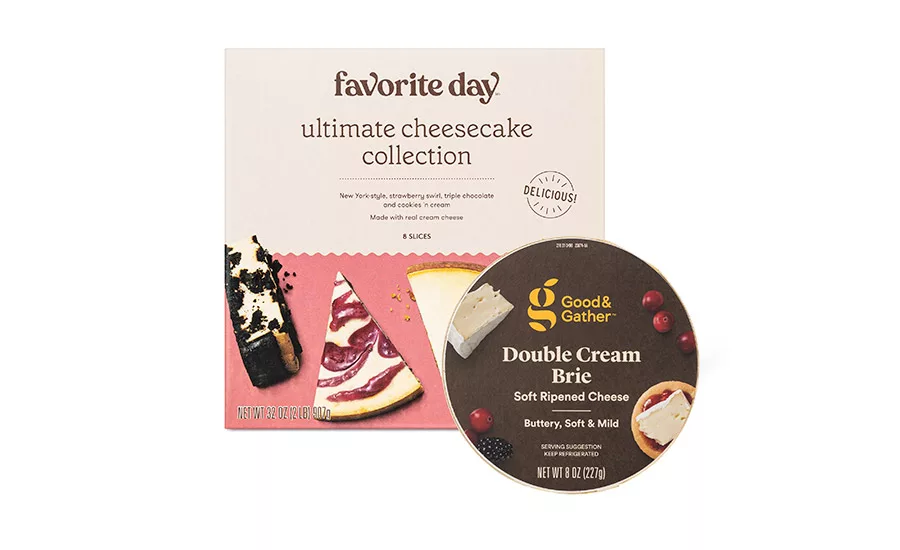
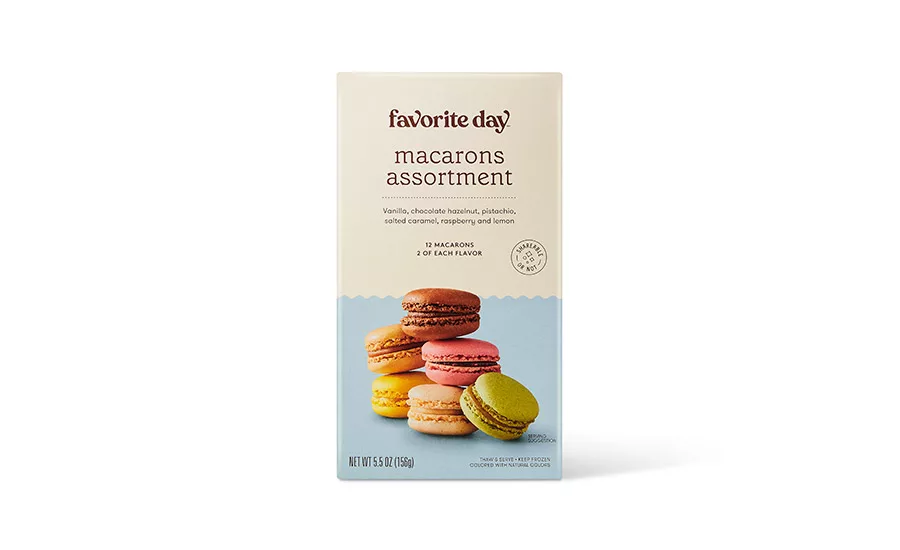
Cheesecake is one of the dairy-based offerings under Target Corp.’s new indulgence-minded Favorite Day brand, while double cream brie is one of many dairy products under the retailer’s flagship Good & Gather brand.
Many of today’s dairy processing companies are involved in the production of private label products. Quite a few of them produce products for retailers solely to use excess capacity. Others specialize in private brand production instead of on the development of their own brands. Still others are retailers that operate their own dairy plants.
Private label products should be of interest, too, for dairy processing companies that concentrate only on their own brands. After all, these products continue to impress each year in terms of their dollar and unit share. According to the New York-based Private Label Manufacturers Association (PLMA) — based on data from NielsenIQ for the 52 weeks ending Dec. 26, 2020 — store brands now account for 18.1% of dollar sales in supermarkets and 21.5% in mass/club/dollar stores. And they represent 22.3% and 25.5%, respectively, of unit sales.
For many dairy categories, those numbers actually are much, much higher. Private brand milk products, for example, boast a 56.8% dollar share and a 63.4% unit share. Private label dairy cheese, meanwhile, accounts for 43.5% of dollar sales and 49.4% of unit sales.
A pandemic push
The COVID-19 pandemic did its part, at least at its beginning, to give store brands a boost.
“Shortages of name-brand products in stores caused by supply chain disruptions amid lockdowns and consumer stockpiling, as well as an increase in food-at-home price inflation, prompted many consumers to gravitate toward private label brands,” New York-based Coresight Research states in its new “US Grocery Private-Label Market Set to Maintain Growth Momentum” report.
Moreover, those consumers were happy with the quality of what they tried.
“The propensity and willingness for individuals to change to become primarily private brand shoppers in grocery categories — and certainly much more so in dairy, where there already is an extremely high level of trust — was as good as it’s ever been,” notes Jim Wisner, president of Wisner Marketing, a Gurnee, Ill.-based market research and consulting firm.
Helping here is the reality that younger generations such as millennials do not look really at private brand products as alternatives to the national brands, Wisner points out.
“They simply look at them as another brand option on the shelf — one that is, of course, unique to their retailer,” he says.
Equally significant is the fact that private brands have been evolving “toward innovation in lieu of imitation,” Wisner notes. In fact, innovation is fueling most of private label’s growth.
“It’s a shift from value to values,” he explains. “So you see things like [Kroger’s] Simple Truth, which meets the LOHAS group — lifestyles of health and sustainability.”
While success within private brands still requires retailers to offer “high-quality products at a great price,” the past decade has upped the ante, notes Trevor Farrell, senior vice president and chief commercial officer for Schreiber Foods, a Green Bay, Wis., dairy processor that specializes in private label. Retailers now need to “take a leadership position when it comes to innovation.” That innovation, he says, applies not only to products, but also to packaging and marketing strategies.
“That is happening — it has helped drive our success,” Farrell says. “Retailers are using their store brand programs as a key differentiator. Partnerships between private brand manufacturers and retailers are becoming stronger and more long-term focused.”
Innovation aplenty
Consumers will find plenty of innovation on the dairy side of private label. From organic and lactose-free formulations to premium items and offerings with unique flavor profiles, it is certainly a different private label landscape than that of a decade or two ago.
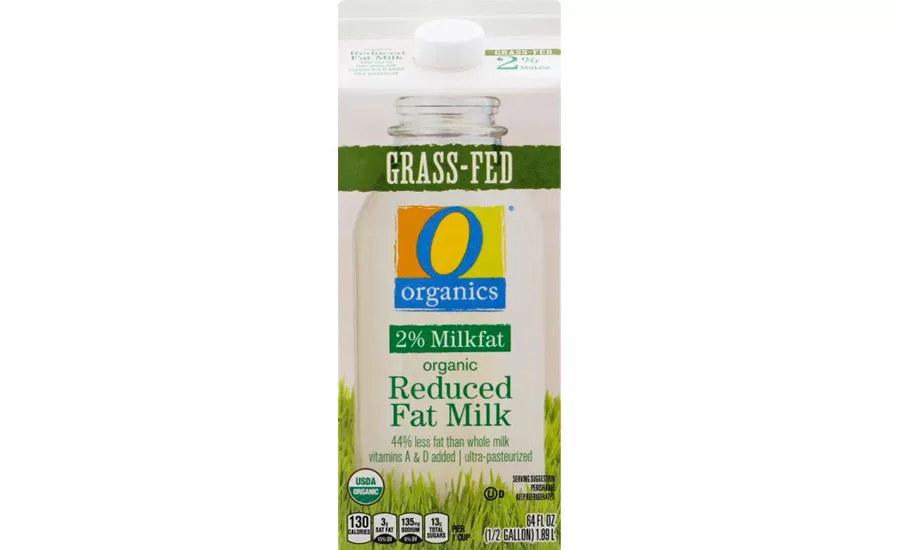
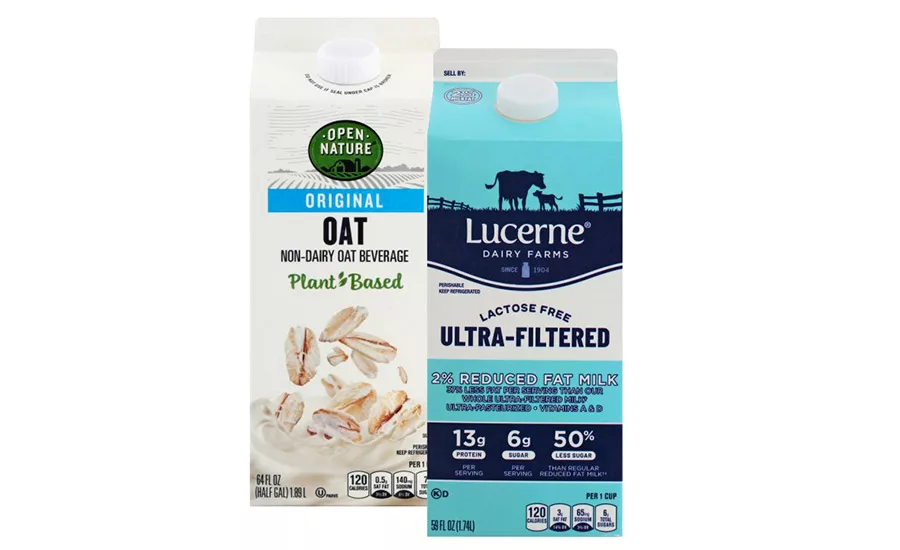
Within the milk space, Boise, Idaho-headquartered Albertsons Companies — which operates the Albertsons, Safeway, Vons, Jewel-Osco and many other supermarket banners — offers Lucerne lactose-free ultrafiltered milk in several fat levels and a chocolate variety, as well as O Organics grass-fed milk.
“To continue to gain our shoppers’ trust and loyalty, we are working hard at delivering new products that align with industry trends and consumer needs,” says Beto Galvan, vice president, own brands product management and innovation for Albertsons Companies. “We remain committed to seeking out ways to enhance our portfolio, whether it be in entering new segments or offering new products, different sizes or flavor offerings in our expansive lineup of yogurt, cheese, creamers and milk.”
And Austin, Texas-based Whole Foods Market recently added organic half & half and lactose-free milk under its 365 brand.
“Consumers are very knowledgeable about where their dairy products come from and are focused on animal welfare, local, sustainability and regenerative practices,” says Nicole West, senior global category merchant of dairy for Whole Foods Market. “While milk is a great single-source superfood, we’ve also seen that consumers are interested in value-add milks such as DHA/omega, lactose-free, grass-fed, A2-A2 and organic. Consumers are looking for cleaner ingredient labels — for example, creams like half & half that contain little to no gums or stabilizers.”
And if recent results cited by North America’s largest supermarket retailer — the Kroger Co. — are any indication, premium private label items, including indulgent dairy items, continue to attract consumer attention.
“We saw a 20% growth in our premium culinary brand Private Selection as more people continue cooking at home and elevating their meals,” Rodney McMullen, chairman and CEO of Cincinnati-based Kroger, said in a March 4, 2021, earnings call covering the company’s fiscal 2020 results.
Recognizing the appeal of premium, Minneapolis-headquartered Target Corp. debuted a new brand this spring. The brand, dubbed Favorite Day, aims to provide “the sweet and savory indulgences guests love, all at affordable prices,” Target says. Dairy products under the new brand include ice cream and frozen novelties, as well as cheesecake.
Deli cheeses — specifically, pre-shaved and pre-shredded Parmesan and other options — are also a premium private brand push for many grocery retailers, Wisner says.
“Before, either you shaved it yourself or you bought the stuff in the green can,” he says. “Now it’s out there and it’s all private branded.”
Another innovation area of focus for private brands is the dairy-alternative segment. In terms of growth, Wisner says, that segment is “moving at light speed.”
Last October, Kroger announced the addition of more than 50 plant-based products under its Simple Truth better-for-you brand. Dairy alternatives within that expansion include “cheese” shreds (cheddar and mozzarella), “cheese” slices (cheddar and Hot Pepper), oat “milk” “ice cream” (Strawberry Graham, Sea Salt Caramel, Peanut Butter Chip, Black Raspberry Chip and Maple Pecan), almond “milk” “yogurt” (Vanilla, Strawberry, Blueberry and Mango) and more.
For its part, Lakeland, Fla.-based Publix Super Markets Inc. recently added almond “milk” under its Publix brand and a nondairy frozen dessert line under its Publix Premium brand. The ice cream alternatives feature a base blend of almonds and coconut oil, “creating the perfect combination of smooth and sweet,” the retailer says.
Maria Brous, director of communications for Publix, notes that private brand plant-based dairy alternatives fit in with the larger industry trend for such products. Other industrywide trends that are showing up in private label innovation include “milkfat being seen as a healthy fat, less sugar [and] clean-label ingredients,” she notes.
Opportunity (still) calls
As sophisticated as retailers’ private label programs are these days, growth opportunities still can be found.
“There are plenty of white spaces within the dairy category to both keep up with national brands in NBE [national-brand-equivalent] offerings, as well as bring new innovation to the category, says Jim Dimataris, vice president, processor partnerships for the California Milk Advisory Board (CMAB), Tracy, Calif.
The biggest opportunities in terms of growth, he notes, can be found in extended-shelf-life lactose-free milk, ultrafiltered milk, organic A2-A2 milk and snacking and specialty cheeses. Also promising are unique and/or premium items such as single-serve, high-protein yogurt-based smoothies; better-for-you ice cream; single-serve, high-protein flavored cottage cheese; squeezable sweetened condensed milk; and artisan flavored butters.
Another opportunity lies in health and wellness solutions, post-pandemic.
“It goes without saying that the pandemic has further influenced many consumers to focus on what they eat, consume less sugar and fewer carbs, and exercise more,” says Dimataris. “This ongoing trend offers great opportunities for the incredible nutrition benefits of dairy.”
Farrell also points to a need to meeting emerging trends.
“Some examples of this would be label transparency, clean ingredient decks, sustainable packaging, plant-based foods and products that bring functional benefits,” he says. “Customer brands have to be ready to lead in these types of initiatives — continue to innovate and deliver value. That will be the key to private brands maintaining and actually growing their share.”
Key dayparts, including breakfast and snack time, also are opportunities, Dimataris points out.
“With so many companies shifting work policies to allow working from home, look for breakfast to continue to be an important family meal going forward,” he says. “Store brand dairy products provide the quality and value consumers are looking for to fulfill this within their budgets. Additionally, consumers are looking for healthy snacks to consume throughout the day, which include compartmentalized packs of cheese, nuts and dried fruits.”
As examples of such compartmentalized snacks, he points to recently added private brand offerings under Costco Wholesale Corp.’s Kirkland Signature brand, Albertsons’ Lucerne brand and Target’s Good and Gather brand.
“Convenience will also play a role going forward, with opportunities for retailers to offer store-branded meal kits as consumers continue looking for nutritious, easy-to-prepare meal ideas, with at-home dining remaining the primary option,” Dimataris adds. “This offers additional opportunities for retailers to provide recipes that call for store brand dairy foods as ingredients.”
The yogurt category, in particular, could spell opportunity for private brands going forward. In general, retailers lag behind the national brands here when it comes to innovation, Wisner notes.
And when it comes to tapping into these and other opportunities, California-based dairy processors working within the private label realm now have a new resource. CMAB recently launched the California Dairy Innovation Center (CDIC) — a collaboration among processors, producers and universities to help processors “fuel demand and grow competitiveness” via innovation, Dimataris says.
“The CDIC offers these services to those interested in researching and developing new innovation in dairy products.”
Quality Matters
To keep the momentum going, it is essential that dairy processors and retailers focus on more than innovation, however. They must also continue to deliver only the highest-quality store brand dairy offerings.
“It begins and ends with quality; bringing our customers a quality product is paramount,” Galvan stresses. “The best way we can earn a repeat purchase is by delivering on what the customer expects.”
What’s more, retailers’ marketing efforts should stress that quality — in addition to other desirable aspects — to help them retain the private brand shoppers they gained during the pandemic-related growth in cook-at-home and eat-at-home behaviors, suggests Dane Twining, director of public relations for PLMA.
“It is going to be in the interest of retailers to make the most of the opportunity to emphasize the quality, value and convenience of their own products and assortments to keep those shoppers engaged with their store brands,” he says.
Sidebar: A shift to shopper-centric
For a couple of decades now, grocery retailers have relied on a category-management approach for products marketed in their stores. But according to Jim Wisner, president of Wisner Marketing — a Gurnee, Ill.-based market research and consulting firm — food industry association FMI is aiming to change that.
Arlington, Va.-based FMI currently is investing a lot of time and energy into the Shopper-Centric Retailing model — and private brands are a big part of that effort, Wisner notes.
“Category management has run its course,” he maintains. “The easiest way to describe [shopper-centric retailing] is it is really looking not from categories back to the consumer, but looking at the consumer and defining roles and attributes on the consumer side, not on the category side.”
In a nutshell, it’s all about delivering solutions to specific shopper demographics — across the store, not category by category. And those solutions could spell big opportunity for private brands.
Looking for a reprint of this article?
From high-res PDFs to custom plaques, order your copy today!