Dairy Foods logo
search
cart
facebook twitter linkedin youtube
  • Sign In
  • Create Account
  • Sign Out
  • My Account
Dairy Foods logo
  • NEWS
    • DAIRY REGULATIONS
  • PRODUCTS
    • New Products
    • Butter
    • Cheese
    • Cultured Dairy
    • Frozen Desserts
    • Ice Cream/Novelties
    • Milk
    • Non-Dairy Beverages
    • Sales Data
    • Whey, Milk Powder
    • Dairy Alternatives
  • INGREDIENTS
    • Cocoa
    • Colors/Flavors
    • Cultures/Enzymes
    • Fiber
    • Gums, Stabilizers, and Texturants
    • Inclusions
    • Omegas/Lipids
    • Prebiotics
    • Probiotics
    • Sweeteners
    • Other
  • OPERATIONS
    • SUSTAINABILITY
    • Equipment
    • Processing
    • Packaging
    • Food Safety & Sanitation
    • Membrane Technology
  • MEDIA
    • Dairy Foods TV
    • Podcasts
    • Webinars
  • DIRECTORIES
    • Buyers Guide
    • Dairy Plants USA
  • MEMBRANE FORUM
  • MORE
    • Associations
    • Dairy Foods' News & Views Newsletter
    • Blogs
    • Case Studies
    • Classifieds
    • Custom Content & Marketing Services
    • Dairy Foods Store
    • Market Research
    • Supplier Spotlights
    • Tradeshows and Events
    • Strategy Guides
  • AWARDS
    • Dairy Plant of the Year Award
    • Breakthrough Award
    • Dairy Processor of the Year
  • EMAGAZINE
    • eMagazines
    • Archive Issues
    • Contact
    • Advertise
    • SIGN UP!
    • Columnists
    • Dairy 100
    • State of the Industry Report
    OperationsDairy Processing and EquipmentFood Safety for Dairy ProcessorsProcessing

    5 Tools To Reduce Contamination In Dairy Plants

    January 13, 2012

    Dairy foods have been around for thousands of years. The dairy industry has operated plants for hundreds of years. While the equipment and technology used today are noticeably different from 20 years ago, the processing steps are very similar and sometimes unchanged from a hundred years ago.

    With all of this experience and a superior cold chain, why does the dairy industry still struggle with product safety and quality contamination events? A better question is: “What drives contamination events?”

    Before I come to the tools for reducing contamination events, let’s review the Food and Drug Administration’s Reportable
    Food Registry (available at http://tinyurl.com/24rjcm4) and the FDA Recall database (http://www.fda.gov/Safety/Recalls/). These resources provide some information about the contaminants that have recently been found in dairy products. It is likely there are many more contamination events that are caught by the dairy plant and managed internally.

    While the specific dairy information for each of the two databases differ, they trend together, with the exception of the salmonella numbers, which reflect the PCA peanut product issue linked to salmonella.

    Understanding the origin of the contaminant can provide insight into the likely cause of the contamination event. Let’s take them one by one.

    Microbial contamination events (MCE).Campylobacter, along with Listeria mono., E. coli O157:H7, Staph. and Shigella are commonly found in soil. They can find their way into the dairy plant and cause contamination events through post-pasteurization of finished dairy products via aerosolization, unclean equipment, transport carts and vehicles (fork lifts and floor lifts), as well as production staff shoes and unwashed hands. Salmonella is commonly found in birds and reptiles. It finds its way into the dairy plant environment through contaminated outer packaging of ingredients and wooden pallets, roof leaks (natural roosting location for wild birds) or construction that penetrates the roof. A roof leak or construction penetrating the roof is a catastrophic event and response should include immediate drying, cleaning and sanitizing of all surfaces “touched” by the leak and repair of the roof as soon as practical.

    Physical contamination events (PCE). Physical contamination is usually caused by packaging debris (cardboard or plastic residue in the product), metal (usually from processing equipment) or glass/brittle plastic (processing area or packaging container).

    Chemical contamination events (CCE). These events usually result from equipment cleaners and sanitizers that are not completely flushed out of the processing equipment. Occasionally, lubricants can contribute to a chemical contamination event, but are usually food grade.

    Based on almost 30 years of experience in dairy processing plants and supported by the FDA databases, my Top 5 Tools to reduce contamination events in dairy plants are:

    1. Reducing production start-ups, interruptions, change-overs and shutdowns allowing microbial contamination to take hold.

    2. Training to address employee behavior and hygiene to result in:

    a. Positive behavior changes, for example, increased hand washing

    b. Maintaining clean uniforms and shoes (should never leave the plant)

    c. Following clear and defined traffic patterns

    d. Minimizing use of water and sanitation hoses

    e. Conforming to standard operating procedures, particularly where ingredients and product are exposed to potential contamination during processing, (that is, blend tanks)

    3. Managing allergens through:

    a. Storage segregation

    b. Production scheduling

    c. Effective staging of ingredients and packaging

    d. Product and package label verification

    4. Instituting plant facility maintenance controls during remodeling, renovation, roof leaks and installation of new equipment.

    5. Applying effective preventative maintenance programs that:

    a. Keep processing equipment properly repaired and replaced

    b. Manage and monitor all sources of glass and brittle plastic in a processing plant

    c. Prohibit retractable metal knife blades in blending rooms

    d. Monitor metal pieces from processing equipment

    e. Maintain frequent checks of in-line filter and screens, and periodic replacement of equipment to keep glass, brittle plastic, metal and packaging material out of the finished product.

    In summary, to drive improved dairy product safety and quality, dairy plant managers, supervisors and quality assurance directors should track contamination events annually and focus their resources on the Top 5 ways to reduce these events. Doing so will drive down the annual number of contamination events and drive up a plant’s net income.

    KEYWORDS: contamination e.coli FDA

    Share This Story

    Looking for a reprint of this article?
    From high-res PDFs to custom plaques, order your copy today!

    Recommended Content

    JOIN TODAY
    to unlock your recommendations.

    Already have an account? Sign In

    • Lifeway Organic Kefir in different flavors inside a refrigerated grocery shelf.

      Dairy Foods names Lifeway Foods 2025 Processor of the Year

      Lifeway Foods donates $10,000 to wildfire victims,...
      Dairy Processor News
      By: Brian Berk
    • Two female farmers are standing in a field, holding a large milk canister, looking at several cows at dairy farm.

      Honoring Women Leaders Shaping the Dairy Industry

      For the fourth consecutive year, Dairy Foods is proud to...
      Dairy Foods & Beverages
      By: Barbara Harfmann
    • Main feature for State of the Industry with dairy products album cover with a gradient circular--patterned backgorund.

      2025 State of the Dairy Industry

      Welcome to the 2025 State of the Industry report. For...
      Sales Data
    Manage My Account
    • eMagazine Subscription
    • Dairy Foods News & Views Newsletter
    • Online Registration
    • Manage My Preferences
    • Subscription Customer Service
    • Connect with Dairy Foods

    More Videos

    Popular Stories

    Close up of a whipped frozen dessert with a light green color.

    The keys to high-protein dairy formulations

    A young Asian mother holding her son and a sippy cup, an older woman is in the blurred background.

    Finding the right infant formula is crucial to a baby’s growth and development

    A row of Frios Gourmet Pops with a tie dye pattern as a background.

    How Frios Gourmet Pops delivers happiness

    Outlook Report: Women in Dairy

    Products

    Probiotic Ice Cream: Science and Technology

    Probiotic Ice Cream: Science and Technology

    See More Products
    Let's Talk Dairy podcast promo

    Related Articles

    • Learn about innovative solutions to reduce wastewater treatment in dairy plants at FPSA conference

      See More
    • Flowing Water

      Remove the weight of water use in dairy plants

      See More
    • Conveyor systems and robotic palletizers do the heavy lifting in dairy plants

      See More

    Related Products

    See More Products
    • tech inv.jpg

      Technological Interventions in Dairy Science: Innovative Approaches in Processing, Preservation, and Analysis of Milk Products

    • 9781771887656.jpg

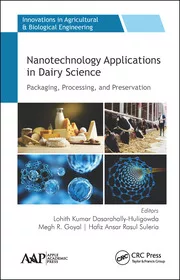
      Nanotechnology Applications in Dairy Science Packaging, Processing, and Preservation

    • GlobalData_Consumer.jpg

      Top Trends in Dairy 2020

    See More Products

    Related Directories

    • NCSU Dairy Plant

    • Deseret Dairy Plant

    • Whey To Go

    ×

    Stay ahead of the curve. Unlock a dose of cutting-edge insights.

    Receive our premium content directly to your inbox.

    SIGN-UP TODAY
    • RESOURCES
      • Advertise
      • Contact Us
      • Directories
      • Store
      • Want More
    • SIGN UP TODAY
      • Create Account
      • eMagazine
      • Newsletter
      • Customer Service
      • Manage Preferences
    • SERVICES
      • Marketing Services
      • Reprints
      • Market Research
      • List Rental
      • Survey/Respondent Access
    • STAY CONNECTED
      • LinkedIn
      • Facebook
      • YouTube
      • X (Twitter)
    • PRIVACY
      • PRIVACY POLICY
      • TERMS & CONDITIONS
      • DO NOT SELL MY INFORMATION
      • PRIVACY REQUEST
      • ACCESSIBILITY

    Copyright ©2026. All Rights Reserved BNP Media, Inc. and BNP Media II, LLC.

    Design, CMS, Hosting & Web Development :: ePublishing