 RSS
RSS

Dairy Processing and Equipment
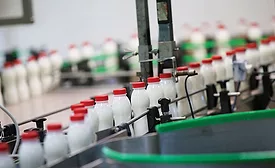
Thermosonication: A novel technique for dairy processing
Using low heat in addition to ultrasound waves, thermosonication is a viable technique that can inactivate pathogenic microorganisms and increase shelf life.
Read More

Plant of the Year
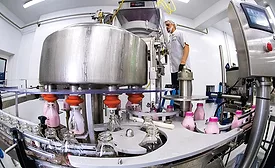
Vote for the 2018 Dairy Plant of the Year
Dairy Foods has nominated 13 dairy processing plants that manufacture fluid milk, cheese, ice cream or cultured dairy products. All have been featured on dairyfoods.com over the previous 17 months.
Read More

How dairy processors can reduce water waste
Dairy processors could look to new technologies to address water sustainability challenges
Read More
Mixer
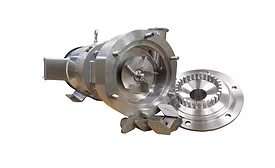
Ampco Pumps introduces SHEAR-max high-shear mixer
The company said the mixer meets the tight tolerances required for high-shear applications.
Read More


Select the best pumps and valves for your dairy plant
Manufacturers of pumps and valves discuss what’s driving advances and highlight the latest and greatest equipment
Read More
Detection equipment
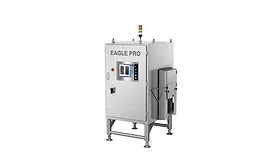
Eagle Product Inspection introduces advanced X-ray product line
The high-level X-ray inspection product line is designed for use with packaged food.
Read More

The acid whey conundrum
A byproduct of Greek yogurt manufacturing, acid whey presents an environmental challenge that will require the combined efforts of many parties to resolve.
Read More