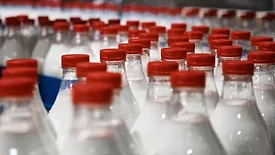
The dairy processing industry is evolving, leading to advances in packaging. According to Future Market Insights Inc., the global dairy packaging market is projected to grow from $25.9 billion in 2025 to $39.2 billion by 2035, with a compound annual growth rate of 4.2%.
Managing a warehouse today can feel a lot like going on a beach vacation without a plan. You’ve packed your suitcase, brought sunscreen, and maybe even remembered the snacks, but the tides and the long lines at the rental shop all catch you off guard. Traditional warehouse management systems (WMS) can feel the same way.
Foreign material recalls in dairy products can significantly undermine consumer trust and result in financial losses. A recent survey indicates that confidence in U.S. food safety has declined, particularly among Gen Z and certain demographic groups. However, advances in detection technologies are helping companies identify and address contamination issues before they reach consumers.
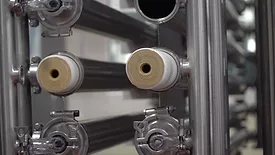
Dairy processors are increasingly turning to advanced membrane technologies to boost product yield while maintaining efficiency and quality. Innovations in ultrafiltration, including optimized temperature control and homogenization, have been shown to enhance protein retention and minimize fouling. This highlights the importance of upstream processing conditions alongside membrane design in achieving higher yields.
The conference will open Wednesday evening with a compelling panel discussion titled "The Growing Pains of Success: Why Risk Scales Faster Than Revenue," featuring Kimberli Carroll, President & CEO of Ruiz Foods; Dave Zilko, Founder & CEO of Skinny Butcher LLC; and Bob Grote, CEO of Grote Co. Moderated by Ben Reeder of ARCO Design/Build, this candid conversation will explore how to balance ambitious growth with operational stability and organizational culture.
While the shift from rigid to flexible packaging formats requires strategic investments in equipment and processes, the right cap and spout system can simplify the transition – bringing clarity, consistency and efficiency to a complex change.
Aseptic and extended-shelf-life (ESL) production lines offer a promising opportunity for dairy processors, particularly as aseptic juice sales have increased by nearly 7%, reaching $2.6 billion. The global aseptic packaging market is expected to grow significantly, rising from $80 billion in 2024 to $185.8 billion by 2032.
 RSS
RSS