Circularity in dairy goes beyond recyclability to include food safety and water consumption
Sustainable packaging conserves valuable resources like water while reducing environmental impact
The terms “protecting our planet” and “circularity” in the dairy sector are bandied about, but what does it really mean? The Protecting our Planet (POP) challenge, a private funding commitment, is designed to support projects globally to help achieve “30 by 30” — to protect 30% of terrestrial, freshwater and marine ecosystems most important for biodiversity by 2030.
Within the dairy industry, circularity creates a self-sustaining, resource-efficient system where waste is not discarded but reused or recycled, benefiting both the environment and the economic viability of the sector.
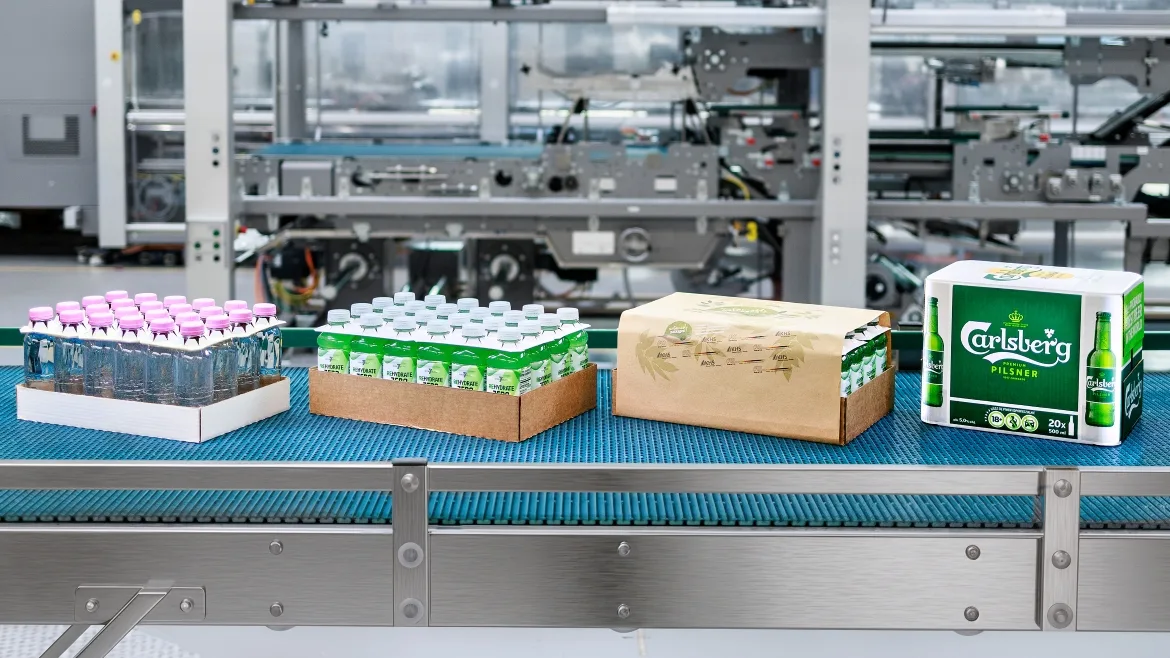
At KHS GmbH for nine years, Fabian Osterhold, head of Bottles & Shapes, notes that the Dortmund, Germany-based company’s holistic approach to sustainable packaging extends throughout the entire value chain. The end goal is a genuine circular economy.
“Just considering the recycling of PET [polyethylene terephthalate] bottles don’t go far enough,” he explains. “Rather, the focus is on also conserving valuable resources prior to production by means of intelligent packaging design and therefore the use of less material, without detriment to product protection. Here, we not only look at the processes on the production line but also examine the entire product life cycle, right up to the end consumer.”
Indianapolis-based Ardagh Glass Packaging’s Alex Winters concurs that today’s sustainable packaging is much more holistic, complex and mature. The chief sustainability officer confirms that sustainable packaging is no longer just about recycling or greenhouse gas emissions.
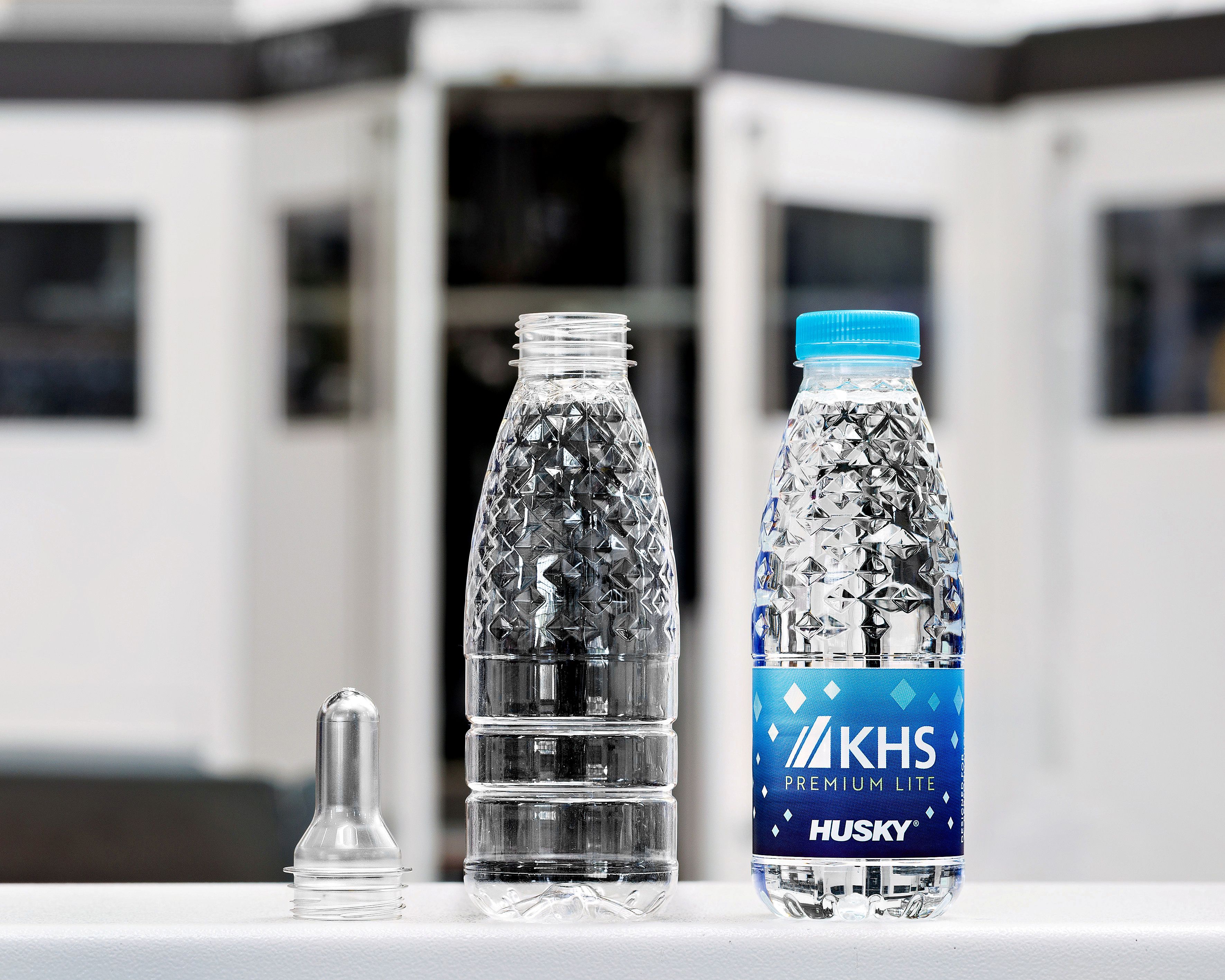
Weighing just 6.2 grams and holding 0.25 liters, the KHS Premium LITE reduces material consumption for bottled still water while withstanding top filling speeds. Courtesy of KHS GmbH
“Today, it connects packaging to water consumption, manufacturing waste, supply chain due diligence, biodiversity, workforce safety, community impact, and, ultimately, how the package protects both the product and the health of the end consumer,” he highlights. “That said, what tends to resonate most with consumers remains relatively simple: recycled content, recyclability and product health.”
For Dan Felton, president and CEO of the Annapolis, Md.-based Flexible Packaging Association (FPA), sustainable packaging has multiple meanings but typically equates to less materials, including virgin resins.
The fastest-growing and second-largest segment of the U.S. packaging industry, flexible packaging represents 98,000 U.S. workers in a $42.6 billion industry growing at a compound annual growth rate (CAGR) of nearly 3%, according to the 2025 U.S. Flexible Packaging State of the Industry report.
“If you think about it, flexible packaging is really the epitome of source reduction, using less materials and using them in more innovative and smarter ways,” the CEO states. “But sustainability for flexible packaging also means creating a more sustainable industry and world, and we do that every day by reducing environmental impacts, by reducing food waste, product damage, transportation costs, etc.”
Emily Bishop, senior vice president of Social Responsibility at the Innovation Center for U.S. Dairy, Rosemont, Ill., notes that circularity in U.S. dairy seeks to efficiently maximize resources while minimizing waste through innovative and impactful collaboration.
“…That means looking beyond whether a package can theoretically be recycled. It means asking: Did we use the right amount of material? Is the material recoverable in the real world? Does the package protect food safety and quality? Does it help prevent food waste? And can it fit into the recycling, reuse or recovery systems that actually exist today?
“That is why sustainable packaging is much more than recycling plastic water bottles,” she continues. “Dairy packaging has to protect nutrient-rich foods like milk, yogurt and cheese. If a packaging change reduces plastic but shortens shelf life, increases food waste or creates a material that cannot be recovered at scale, we have not solved the problem. The goal is better packaging performance across the full system — from product protection and material efficiency to recovery and circularity.”
Photo courtesy of the Flexible Packaging Association
Plastics market expanding to $715B by 2032
According to Verified Market Research, the Global Commodity Plastics Market size was valued at $454.2 billion in 2024 and is projected to reach $715.2 billion by 2032, growing at a compound annual growth rate (CAGR) of 5.8% from 2026 to 2032.
While the use of plastics is rising, the study also notes stringent regulations related to the utilization and recycling of plastics may restrain market growth over the next seven years.
Yet, this motivates companies like KHS GmbH worldwide to do better. While plastics like PET remain essential to global supply — with global PET bottle production in Germany alone using about 477,000 metric tons of PET annually — KHS GmbH’s Osterhold sees statutory regulations as “strong drivers for technological innovation.”
“They force the industry to undergo more rapid transformation and perfectly fit in with our holistic approach, as our customers are consciously looking for flexible systems and solutions that easily satisfy legal requirements, such as safe and reliable processing of up to 100% rPET,” he says.
“For example, 1 million water bottles made from recycled PET material could save 200 metric tons of waste plastic per year,” the company says.
In addition to PET, dairy producers of liquid dairy products are turning to aseptic carton packaging from Denton, Texas-based Tetra Pak U.S. and Canada, according to Sustainability Manager Mashaal Atif.
“Tetra Pak’s aseptic food and beverage cartons are made from, on average, more than 70% paperboard content sourced from FSC-certified forests and other controlled sources,” Atif says. “They are recyclable, and the aseptic technology used in their processing and packaging can help reduce reliance on refrigeration during distribution and storage. These solutions can help dairy producers reduce food waste, improve logistics efficiency and lower carbon emissions across the supply chain.
“Beyond packaging itself, sustainability advancements are also happening across processing operations as we take a total cost of ownership approach and offer integrated solutions that are digitally powered by automation,” he continues. “This includes benefits such as reduced downtime, improved product quality, and optimization across the entire production line. With a broad range of reliable, tailored service solutions and advanced agreements, we offer our customers defined and measurable outcomes toward sustainability.”
Nothing says premiumization and sustainability like glass packaging. Ardagh’s Winters reports consumer insights that reinforce positive consumer perception about glass, including:
- 86% of consumers consider glass containers to be “eco-friendly” (EcoFocus Consumer Trends Survey 2024)
- 92% say they like companies that offer glass packaging (CARAVAN Omnibus Survey 2022)
- Three in four consumers wish more food and beverage products were available in glass (CARAVAN Omnibus Survey 2022)
- More than 88% view glass packaging as the least likely to change the taste of their food or beverages (EcoFocus Consumer Trends Survey 2024)
“We believe glass is the preferred packaging solution for many products,” Winters notes. “Where we have seen the most success is in returnable systems, particularly for milk, as well as coffee beverages that include milk. These formats showcase the strength of circular packaging models while also appealing to consumers who value both quality and sustainability.”
When it comes to transporting dairy products from Point A to Point B, several dairy manufacturers turn to ORBIS Corp. The Oconomowoc, Wis.-based company designs and manufactures reusable dairy cases, pallets and bulk containers to move products in the dairy supply chain faster, safer, more cost-effectively and with less impact on the environment.
“Our product is designed to be reused over a long period of time, then recovered and recycled and reprocessed into other useful packaging, without entering the solid waste stream,” says Bob Klimko, director of market development, who’s been with ORBIS for 30 years.
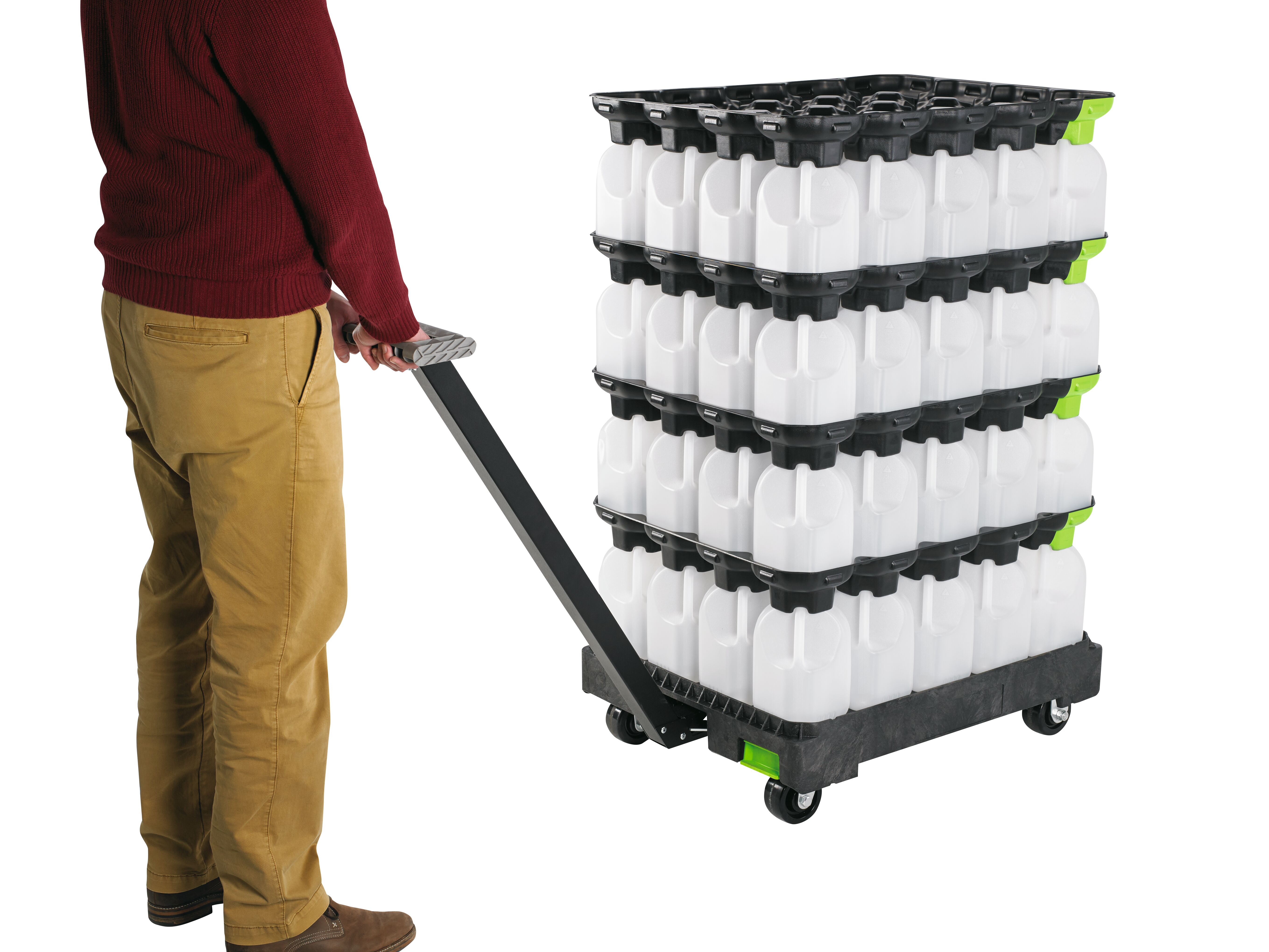
Reusable dairy cases, pallets and bulk containers move products through the dairy supply chain faster, safer and with less environmental impact. Courtesy of ORBIS Corp.
In May 2026, ORBIS Corp. was honored with a Bronze Medal from EcoVadis for its leadership in reusable packaging. Courtesy of ORBIS Corp.
Sustainability: a defining force
Sustainability in food and beverage has moved far beyond a trend — it’s now a defining force across the entire supply chain. From responsible ingredient sourcing and smarter packaging to more energy-efficient production, expectations from both consumers and partners are rising fast — and they’re measurable.
ORBIS Corp.’s Klimko, citing ifactoryapp.com, suggests that food and beverage account for 70% of all packaging. “The regulations around sustainable packaging are real with EU compliance to recyclability and a system of reuse required by 2030 and 65% reduction of single-use packaging in California mandated.
“In terms of smart packaging, predenceresearch.com pegs today’s smart packaging market at $26 to $32 billion, growing to $50 billion by 2030,” he continues. “Future Market Insights has the food and beverage sector at an estimated 45% to 47% of the total (largest market segment).”
Experts from Ardagh Glass Packaging and KHS agree that sustainable packaging in food and beverages has moved from materials to systems to reconfigured equipment, all focused on advancing sustainable packaging solutions.
For example, KHS’s stretch blow molders in the InnoPET Blomax Series V process sophisticated, resource-conserving packaging designs with a particularly high level of energy efficiency; the KHS SUPREME concept concentrates on providing material savings and maximum product protection while extending shelf lives for sensitive beverages such as green tea; and KHS Premium LITE rigorously reduces material consumption for bottled still water.
“Weighing just 6.2 grams and holding 0.25 liters, our KHS Premium LITE container comes with a 29-/25-mm neck and is designed to cope with top filling speeds,” Osterhold says. “As far as secondary packaging is concerned, our film-free Nature MultiPack or BottleClip cardboard carrier ring system replaces classic plastic shrink film and in doing so, saves up to 85% in material.”
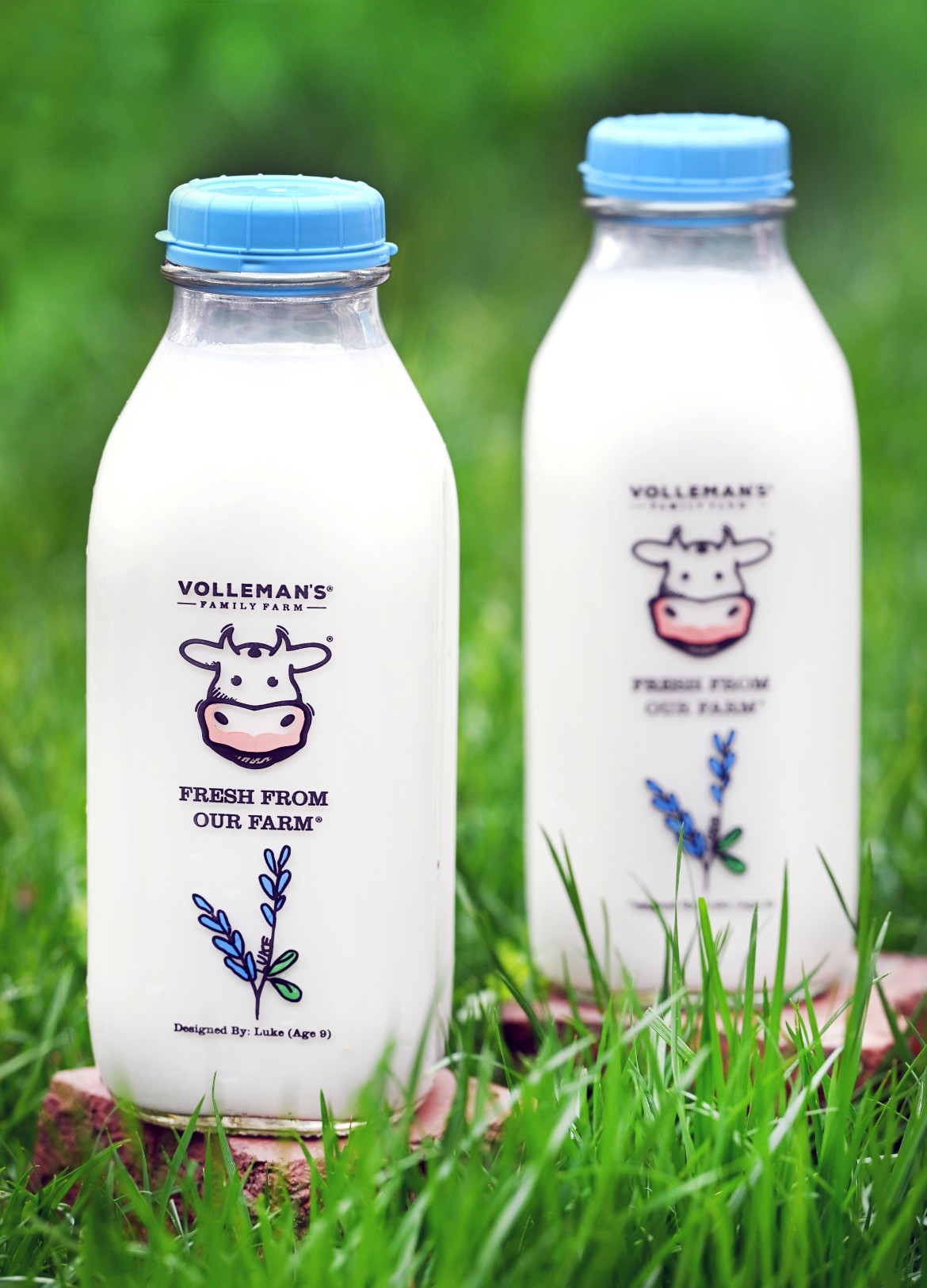
This 32-ounce refillable milk bottle from Volleman’s Family Farm was a 2025 Clear Choice Award winner. The honor was presented by the Glass Packaging Institute (GPI). Courtesy of Ardagh Glass Packaging
Focused on reducing carbon emissions and energy, Ardagh Glass Packaging launched the first commercial hybrid furnace, the NextGen, in Germany in 2024, the company states.
According to Winters, the technology significantly shifts the traditional energy mix, enabling up to 80% electricity and 20% natural gas in the melting process.
“When powered by renewable electricity, it can reduce carbon intensity by approximately 65% versus the same container on a conventional furnace,” he says, noting that the carbon intensity reduction figure includes Scope 1 and Scope 2 emissions only; not the total value chain emissions (Scope 3).
Across dairy products, there is no one-size-fits-all perfect solution to sustainability, but U.S. dairy companies are treating packaging as part of a broader sustainability standard.
Additionally, the Innovation Center for U.S. Dairy is seeing “measurable upward progress” in myriad ways: measuring packaging more consistently, exploring ways to reduce or replace non-recyclable or non-compostable packaging, tracking materials used in primary, secondary and tertiary packing, and working across the value chain to understand what is recyclable or recoverable in practice.
In fact, in the 2023-2024 U.S. Dairy Sustainability Report, the U.S. Dairy Stewardship Commitment notes that reporting companies representing 75% of U.S. milk production have been tracking and measuring efforts related to recycled content, material optimization and material utilization.
Enacted by the Innovation Center for U.S. Dairy, the nonprofit’s Social Responsibility Pledge tracks progress around five pillars: Animal Care, Sustainable Nutrition, Environmental Stewardship, People and Community, and Food Safety.
The future of smarter packaging
Extending shelf life through smart packaging and technologies like oxygen scavengers, moisture regulators, and antimicrobial films can reduce food waste, ORBIS’s Klimko notes, adding that “food waste represents 25% to 35% of global emissions tied to food systems.”
From increasing the use of responsibly sourced renewable materials to improving recycling infrastructure and reducing carbon emissions across the value chain, Tetra Pak’s focus is to support a more resilient food system for future communities.
Atif notes that brands can go a step further in relaying their own sustainability ambitions by implementing smarter packaging to act as a distributed data platform through Tetra Pak Custom Printing.
“This digitally printed engagement layer has the power to transform product packaging into an interactive medium to collect engagement data, increase consumer interaction or simply share more information about the product or company itself,” he says. “Dynamic content through things like QR codes can result in driving consumer experiences with a brand, increasing loyalty and facilitate new avenues to share information.”
ORBIS’s Klimko adds: “The biggest gains today are coming from smarter design — lightweighting, recycled content, and active packaging that reduces waste — while the next wave is digital, where packaging becomes a data layer using QR codes, sensors, and traceability tools. It’s now a $300 billion-plus transformation driven equally by regulation, cost pressure, and consumer behavior. The market is trying to engineer sustainability into single-use packaging — while reuse already solves it structurally.”
Tetra Pak’s Atif notes that recent innovations, including paper-based barrier technologies and plant-based polymers, are helping to reduce reliance on fossil-based materials while maintaining food safety and a long shelf life for products. The company maintains a full lifecycle approach from sourcing to production, distribution and end-of-life, he adds.
With the recycling-friendly FreshSafe PET barrier technology (known as the Plasmax process) or efficient digital systems like KHS MES already implemented, Osterhold predicts the future will be shaped by even more intelligent AI-assisted filling lines.
“With machine learning, this equipment will be able to react to varying fluctuations in material and compensate for these completely autonomously in real time. All this considerably helps us to provide ever higher line speeds while increasing the overall efficiency of our lines and machines in the long term,” he says. “We’re also expecting the breakthrough of new, circular monomaterials and progressive barrier coatings that even protect sensitive products for long periods of time.
“Finally, full digital transparency will play a key role, with future line concepts live-tracking the exact CO2 and resource consumption per packaged unit and making this information directly available for manufacturers’ sustainability reports,” Osterhold concludes.
Photo courtesy of KHS GmbH
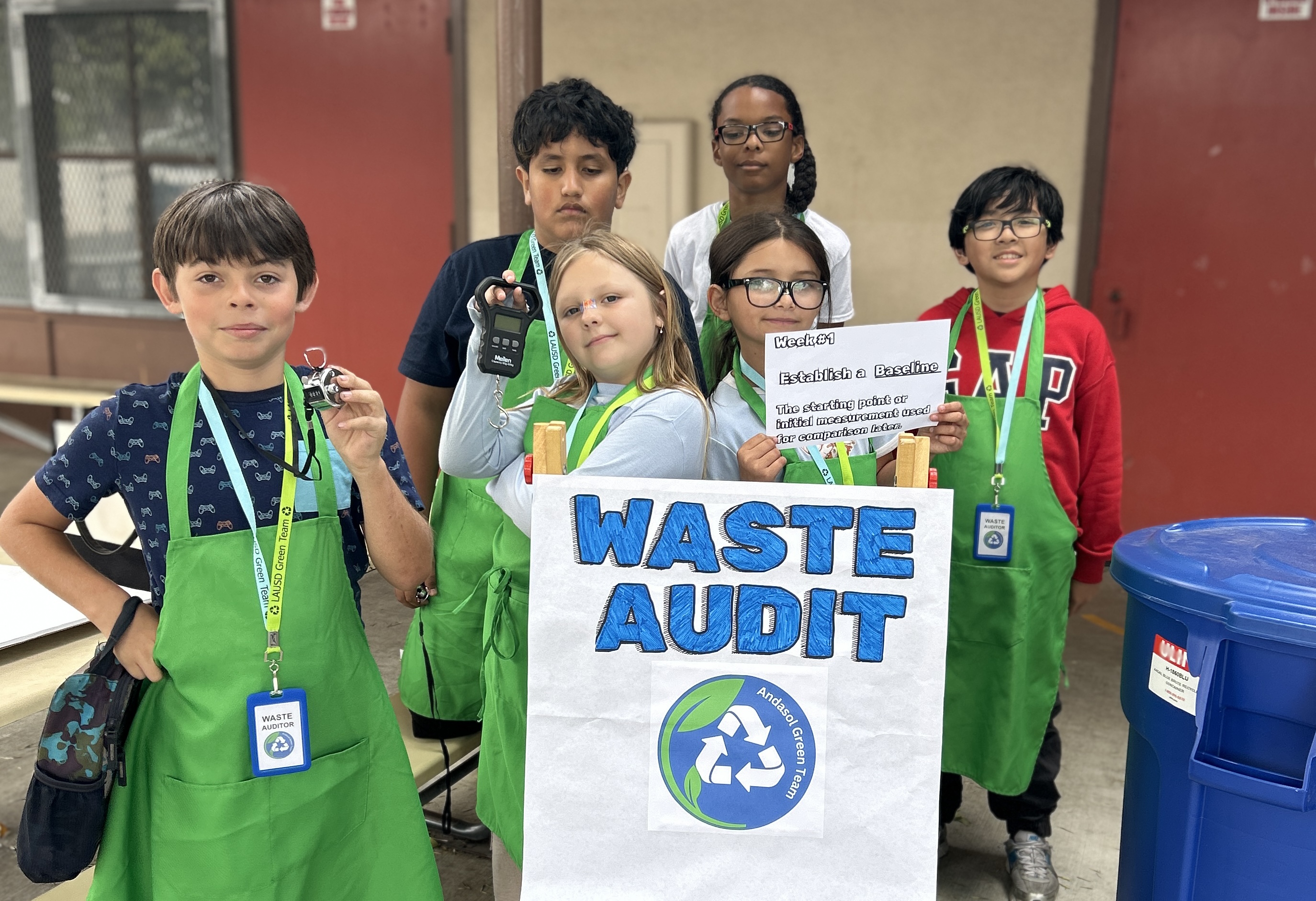
With the support of grant funding from the Carton Council, Los Angeles Unified School District students expanded their school recycling program. “Schools play an important role in building recycling habits and strengthening participation in local recycling programs. They also provide a great opportunity to improve recovery rates,” says Jordan Fengel, Carton Council executive director. Courtesy of Carton Council
Looking for a reprint of this article?
From high-res PDFs to custom plaques, order your copy today!