Dairy Foods logo
search
cart
facebook twitter linkedin youtube
  • Sign In
  • Create Account
  • Sign Out
  • My Account
Dairy Foods logo
  • NEWS
    • DAIRY REGULATIONS
  • PRODUCTS
    • New Products
    • Butter
    • Cheese
    • Cultured Dairy
    • Frozen Desserts
    • Ice Cream/Novelties
    • Milk
    • Non-Dairy Beverages
    • Sales Data
    • Whey, Milk Powder
    • Dairy Alternatives
  • INGREDIENTS
    • Cocoa
    • Colors/Flavors
    • Cultures/Enzymes
    • Fiber
    • Gums, Stabilizers, and Texturants
    • Inclusions
    • Omegas/Lipids
    • Prebiotics
    • Probiotics
    • Sweeteners
    • Other
  • OPERATIONS
    • SUSTAINABILITY
    • Equipment
    • Processing
    • Packaging
    • Food Safety & Sanitation
    • Membrane Technology
  • MEDIA
    • Dairy Foods TV
    • Podcasts
    • Webinars
  • DIRECTORIES
    • Buyers Guide
    • Dairy Plants USA
  • MEMBRANE FORUM
  • MORE
    • Associations
    • Dairy Foods' News & Views Newsletter
    • Blogs
    • Case Studies
    • Classifieds
    • Custom Content & Marketing Services
    • Dairy Foods Store
    • Market Research
    • Supplier Spotlights
    • Tradeshows and Events
    • Strategy Guides
  • AWARDS
    • Dairy Plant of the Year Award
    • Breakthrough Award
    • Dairy Processor of the Year
  • EMAGAZINE
    • eMagazines
    • Archive Issues
    • Contact
    • Advertise
    • SIGN UP!
    • Columnists
    • Dairy 100
    • State of the Industry Report
    OperationsDairy Foods ColumnistsDairy Processing and EquipmentEquipment

    Selecting a spray device for clean-in-place equipment

    Fixed spray devices, single-axis rotary sprays and multi-axis rotary sprays all offer certain advantages, disadvantages.

    By Gabriel Miller
    miller 3A-today
    December 7, 2021

    Have you ever purchased a hygienic tank for a food processing application and found out after delivery that the spray device included with the tank was not suitable for your application? 

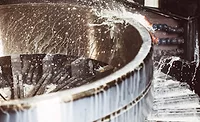
    Selecting a spray device to clean process equipment is much more than simply putting a sprayball in the top of the tank and hooking up the clean-in-place (CIP) system. For cleaning vessels, the type of spray device, location(s) and flow rate/pressure are the critical criteria for successful cleaning of the process system. The proper spray device(s) must first be selected, and then the CIP supply pump must be specified based on the flow rate and pressure required.  

    When selecting a spray device, there are many factors to consider:

    • Product residues — fluid, viscous, solids, sticky, dried, seeds, pulp, etc.
    • Type of equipment — silo, tank, duct, mixer, dryer, evaporator, filler, etc.
    • Vessel configuration/size — vertical, horizontal round, rectangular, dimensions.
    • Is there an agitator or baffles?
    • Will the discharge pipeline clean with the vessel?
    • Will the spray device remain in the product?
    • Can the product plug the holes or stop a rotary spray device from spinning?        

    Spray devices may be static sprayballs, single-axis rotary sprays, or multi-axis orbital sprays. There is no “one size fits all” device that will work for every application. 

    The spray devices in sanitary applications must also be sanitary. The 3-A Sanitary Standard for Spray Devices #78-03 defines the criteria for sanitary sprays, including materials, surface finish, corner radii, cleanability, and more, that are critical for food process equipment. 

    Fixed spray devices

    Fixed spray devices are the most common type of sprays, developed at the advent of CIP cleaning. They are best suited for light residues such as fluid milk, whey, beverages, and other easy-to-remove soils. These devices clean by cascading action combined with the chemical breakdown of the residues. 

    The advantages of fixed spray devices include their low cost and lack of moving parts to wear. They can direct spray coverage to specific locations, and their spray pattern can be easily customized for the application. These devices also are easy to inspect and maintain. 

    The disadvantages of fixed spray devices include their low impact on tenacious residues. They also may not provide complete coverage of irregular surfaces, and they have a limited range of spray coverage.

    Single-axis rotary sprays

    Single-axis rotary sprays are devices that spin due to the reaction of the solutions flowing out of the orifices. 

    An advantage of single-axis rotary spray devices is they have a higher impact than fixed spray devices for more tenacious residues and also have good coverage of irregular surfaces. The devices offer complete coverage in the spray zone and better cleaning performance at a lower flow rate than fixed sprays. 

    However, they are easily stopped by any particulates, and their moving parts will wear over time. There also is no simple means to verify rotation in such devices.

    Multi-axis rotary sprays

    Multi-axis rotary sprays are devices that rotate by the flow of fluid through a turbine or by an external drive. The spray nozzles rotate in an orbit, like a ball of yarn, and can cover large areas with a single device via a 360-degree orbit. 

    Benefits of these spray devices include their high impact for cleaning difficult residues and good spray coverage across long distances. They also operate at a lower flow rate than other spray devices and have good spray coverage of irregular surfaces.

    However, such devices also incur a high initial expense, and wear of moving parts makes inspection and periodic maintenance critical. The devices’ spray nozzles also must go through the full orbit for complete coverage. 

    Other considerations

    Regardless of the spray device selected, the CIP supply system must have a suitable strainer to prevent particulates from plugging or stopping the rotation of the devices. 

    Multiple sprays are required when there is an agitator, baffles or blind areas in top ports to prevent “shadowing.” To ensure complete coverage of spray applications, a “riboflavin test” can be conducted to confirm the spray device is providing complete coverage of all surfaces by direct impingement, cascading flow or secondary impingement. This does not confirm cleaning performance with the actual product residues, but it does verify that all surfaces have CIP solution coverage.

    It is recommended that users test the application in advance to ensure the spray devices selected will provide the necessary coverage and confirm the cleaning performance under the actual conditions of operation and CIP.

    3-A Sanitary Practice 605-05 includes the recommended criteria for CIP of processing equipment. See all documents available for purchase and a list of all spray device suppliers with 3-A Symbol authorization at www.3-a.org. 

    KEYWORDS: CIP clean-in-place system hygienic equipment spray device

    Share This Story

    Looking for a reprint of this article?
    From high-res PDFs to custom plaques, order your copy today!

    Gabriel Miller has 30 years of experience in cleaning and sanitizing equipment. He is the owner of Process Innovation – Food Safety LLC, which provides sanitary design guidance, training, sanitation audits, and 3-A CCE Third Party Verification inspections.

    Recommended Content

    JOIN TODAY
    to unlock your recommendations.

    Already have an account? Sign In

    • Lifeway Organic Kefir in different flavors inside a refrigerated grocery shelf.

      Dairy Foods names Lifeway Foods 2025 Processor of the Year

      Lifeway Foods donates $10,000 to wildfire victims,...
      Dairy Processor News
      By: Brian Berk
    • Two female farmers are standing in a field, holding a large milk canister, looking at several cows at dairy farm.

      Honoring Women Leaders Shaping the Dairy Industry

      For the fourth consecutive year, Dairy Foods is proud to...
      Dairy Foods & Beverages
      By: Barbara Harfmann
    • Main feature for State of the Industry with dairy products album cover with a gradient circular--patterned backgorund.

      2025 State of the Dairy Industry

      Welcome to the 2025 State of the Industry report. For...
      Cheese
    Manage My Account
    • eMagazine Subscription
    • Dairy Foods News & Views Newsletter
    • Online Registration
    • Manage My Preferences
    • Subscription Customer Service
    • Connect with Dairy Foods

    More Videos

    Popular Stories

    Close up of a whipped frozen dessert with a light green color.

    The keys to high-protein dairy formulations

    A young Asian mother holding her son and a sippy cup, an older woman is in the blurred background.

    Finding the right infant formula is crucial to a baby’s growth and development

    A row of Frios Gourmet Pops with a tie dye pattern as a background.

    How Frios Gourmet Pops delivers happiness

    Outlook Report: Women in Dairy

    Products

    Probiotic Ice Cream: Science and Technology

    Probiotic Ice Cream: Science and Technology

    See More Products
    Let's Talk Dairy podcast promo

    Related Articles

    • someone filling out a form

      Dairy processing manufacturers ensure equipment conforms to 3-A Sanitary Standards

      See More
    • miller 3A-today

      Buying 3-A-certified equipment can expedite the regulatory process

      See More
    • dairy processing equipment

      Dairy equipment cleaning: CIP vs. COP

      See More

    Related Products

    See More Products
    • Cleaning-in-Place: Dairy, Food and Beverage Operations, 3rd Edition

    • tech inv.jpg

      Technological Interventions in Dairy Science: Innovative Approaches in Processing, Preservation, and Analysis of Milk Products

    • eng practices milk.jpg

      Engineering Practices for Milk Products: Dairyceuticals, Novel Technologies, and Quality

    See More Products

    Related Directories

    • Sani-Matic Inc.

      Sani-Matic, Inc. delivers reliable sanitary process cleaning solutions with custom engineering, automation, and manufacturing. Founded in 1943, the Wisconsin-based manufacturer serves dairy, food, beverage, personal care, nutraceutical, and biopharmaceutical industries with products including CIP systems, COP parts washers, cabinet washers, automated reporting software, tunnel washers, 3-A certified strainers and spray devices.
    • ABM Equipment

      ABM Equipment is a system design, build, and integration firm specializing in all dry-bulk systems for large-scale dairy. They manage customer's systems from equipment selection and procurement to customization, integration, and service. ABM is also Eagle PI's principal distributor performing custom application development, rentals, and service.
    ×

    Stay ahead of the curve. Unlock a dose of cutting-edge insights.

    Receive our premium content directly to your inbox.

    SIGN-UP TODAY
    • RESOURCES
      • Advertise
      • Contact Us
      • Directories
      • Store
      • Want More
    • SIGN UP TODAY
      • Create Account
      • eMagazine
      • Newsletter
      • Customer Service
      • Manage Preferences
    • SERVICES
      • Marketing Services
      • Reprints
      • Market Research
      • List Rental
      • Survey/Respondent Access
    • STAY CONNECTED
      • LinkedIn
      • Facebook
      • YouTube
      • X (Twitter)
    • PRIVACY
      • PRIVACY POLICY
      • TERMS & CONDITIONS
      • DO NOT SELL MY INFORMATION
      • PRIVACY REQUEST
      • ACCESSIBILITY

    Copyright ©2026. All Rights Reserved BNP Media, Inc. and BNP Media II, LLC.

    Design, CMS, Hosting & Web Development :: ePublishing