Dairy Foods logo
search
cart
facebook twitter linkedin youtube
  • Sign In
  • Create Account
  • Sign Out
  • My Account
Dairy Foods logo
  • NEWS
    • DAIRY REGULATIONS
  • PRODUCTS
    • New Products
    • Butter
    • Cheese
    • Cultured Dairy
    • Frozen Desserts
    • Ice Cream/Novelties
    • Milk
    • Non-Dairy Beverages
    • Sales Data
    • Whey, Milk Powder
    • Dairy Alternatives
  • INGREDIENTS
    • Cocoa
    • Colors/Flavors
    • Cultures/Enzymes
    • Fiber
    • Gums, Stabilizers, and Texturants
    • Inclusions
    • Omegas/Lipids
    • Prebiotics
    • Probiotics
    • Sweeteners
    • Other
  • OPERATIONS
    • SUSTAINABILITY
    • Equipment
    • Processing
    • Packaging
    • Food Safety & Sanitation
    • Membrane Technology
  • MEDIA
    • Dairy Foods TV
    • Podcasts
    • Webinars
  • DIRECTORIES
    • Buyers Guide
    • Dairy Plants USA
  • MEMBRANE FORUM
  • MORE
    • Associations
    • Dairy Foods' News & Views Newsletter
    • Blogs
    • Case Studies
    • Classifieds
    • Custom Content & Marketing Services
    • Dairy Foods Store
    • Market Research
    • Supplier Spotlights
    • Tradeshows and Events
    • Strategy Guides
  • AWARDS
    • Dairy Plant of the Year Award
    • Breakthrough Award
    • Dairy Processor of the Year
  • EMAGAZINE
    • eMagazines
    • Archive Issues
    • Contact
    • Advertise
    • SIGN UP!
    • Columnists
    • Dairy 100
    • State of the Industry Report
    Dairy Foods & BeveragesDairy Foods ColumnistsCheese

    Understanding the basics: Techniques to attain a high cheese yield

    To attain a high cheese yield, cheesemakers need to retain as much casein, fat and moisture as possible. Here are some techniques.

    By John A. Lucey Ph.D., Director, Center for Dairy Research
    January 9, 2017

    In an ideal world, all solids in the cheese vat would end up in the finished product. Unfortunately, this is not possible with our current cheesemaking methods. Therefore, cheese yield has become a way to define the percentage of moisture, casein and fat in milk that actually converts into cheese. Since high retentions of moisture, casein and fat equal a high cheese yield and high economic gain, the goal is to retain as much protein, fat and moisture as possible, while ultimately producing a cheese with the desirable quality attributes.

    Cheese yield prediction

    A cheese yield prediction equation describes the relationship between the concentrations of fat and casein in milk and the amount of cheese that can (in theory) be produced from that milk. This prediction equation includes factors for fat recovery and casein losses, as well as the retention of other solids like whey proteins and salt. Although the calculation is quite simple, reaching that optimum cheese yield and retention rate is not.

    Consider for example that a one-point decrease in casein retention can translate into a loss of almost .05 pounds of cheese per every 100 pounds of milk. Additionally, typical fat recoveries for Cheddar average around 92% and casein recovery is often around 95%, but different recoveries can occur industrially due to the actual processing conditions used for cheesemaking.

    Improving fat, casein retention

    A processor can accomplish improved retention in a few ways, but one of the most popular involves updated vat designs/equipment. Since most of the loss of milk solids occurs while the cheese is still in the vat, utilizing a vat that minimizes protein and fat losses during cutting can help keep solids retention high. By utilizing a modern enclosed vat design with horizontal agitation, cheesemakers can achieve < 0.2% fat in the whey. In our experience, most older open vats only achieve whey fat levels of ~0.4%. Casein losses can also be minimized by modern vat designs.

    Since casein loss is generally due to the production of cheese fines during cutting or by the creation of glycomacropeptide during coagulation of the milk, utilizing an alternative vat system that minimizes damage during cutting can help to avoid these casein losses.  An alternative cheesemaking approach involves using a continuous production method like a belt system. This system allows for gentler cutting and handling processes, thus improving the retention of fat and casein. To date, this approach has been popular with high-moisture cheeses, like feta. New versions of the belt system are in development for other cheese varieties. 

    Standardizing cheesemilk

    Another way to increase yield, as well as keep yield consistent throughout the year, is to add more milk solids to the cheese milk. Historically, cheesemakers just standardized to a specific fat content or to a fat-to-protein ratio.  However, from season to season the concentrations of fat, protein and casein in milk varies, which induces variability in the cheese process and thus, negatively impacts cheese quality.

    Standardization of cheesemilk to a specific (and constant) casein and fat level would help significantly reduce variability in the cheesemaking process, thus creating more consistent coagulation and acidification profiles. More consistent cheese composition also equals more consistent product quality.

    Using microfiltration

    In recent years, use of microfiltration of milk has been advocated since it offers higher quality whey products than traditional whey produced from cheesemaking. For cheese varieties with a federal standard of identity, the use of microfiltered cheesemilk may not be possible due to regulations that dictate which type of cheesemilk solids can be used.  In fact, while control of casein content via microfiltered milk addition is allowed in most countries, the U.S. regulations have not yet caught up with these new research innovations.

    In addition to reducing casein loss, innovators are also interested in finding ways to put whey protein back into the cheese. The majority of whey proteins (>96 %) are lost in the whey stream. Many plants process these proteins into valuable by-products (like whey protein concentrate) to create an additional financial return for the cheese plant.

    If a company does not have a significant whey processing business, however, it may be worth investigating a process called microparticulation. Microparticulated whey
    protein can boost moisture levels in cheese, which aids in increasing yield and helps to create a smoother texture.

    Future innovations

    Researchers and the dairy industry are also looking towards the future by collaborating on potential innovations. This includes better sensors that monitor when cutting should commence, and technologies that would allow cheesemakers to have better control of curd moisture during the cheesemaking process.

    KEYWORDS: cheese news cheese processing news cheesemaking

    Share This Story

    Looking for a reprint of this article?
    From high-res PDFs to custom plaques, order your copy today!

    John lucey phd

    John Lucey, Ph.D., is the Owen R. Fennema Professor in Food Chemistry at the University of Wisconsin-Madison’s Center for Dairy Research.

    Recommended Content

    JOIN TODAY
    to unlock your recommendations.

    Already have an account? Sign In

    • Lifeway Organic Kefir in different flavors inside a refrigerated grocery shelf.

      Dairy Foods names Lifeway Foods 2025 Processor of the Year

      Lifeway Foods donates $10,000 to wildfire victims,...
      Cultured Dairy
      By: Brian Berk
    • Two female farmers are standing in a field, holding a large milk canister, looking at several cows at dairy farm.

      Honoring Women Leaders Shaping the Dairy Industry

      For the fourth consecutive year, Dairy Foods is proud to...
      Dairy Foods & Beverages
      By: Barbara Harfmann
    • Main feature for State of the Industry with dairy products album cover with a gradient circular--patterned backgorund.

      2025 State of the Dairy Industry

      Welcome to the 2025 State of the Industry report. For...
      Ingredients for Dairy Processors
    Manage My Account
    • eMagazine Subscription
    • Dairy Foods News & Views Newsletter
    • Online Registration
    • Manage My Preferences
    • Subscription Customer Service
    • Connect with Dairy Foods

    More Videos

    Popular Stories

    Close up of a whipped frozen dessert with a light green color.

    The keys to high-protein dairy formulations

    A young Asian mother holding her son and a sippy cup, an older woman is in the blurred background.

    Finding the right infant formula is crucial to a baby’s growth and development

    A row of Frios Gourmet Pops with a tie dye pattern as a background.

    How Frios Gourmet Pops delivers happiness

    Outlook Report: Women in Dairy

    Products

    Probiotic Ice Cream: Science and Technology

    Probiotic Ice Cream: Science and Technology

    See More Products
    Let's Talk Dairy podcast promo

    Related Articles

    • A vat of milk being mixed

      Boosting cheese yield: Small tweaks, big gains

      See More
    • Powders and retentates can increase cheese yield

      See More
    • IDI boosts cheese yield with Promilk

      See More

    Related Products

    See More Products
    • cow.jpg

      Understanding the Dairy Cow, 3rd Edition

    • novel.jpg

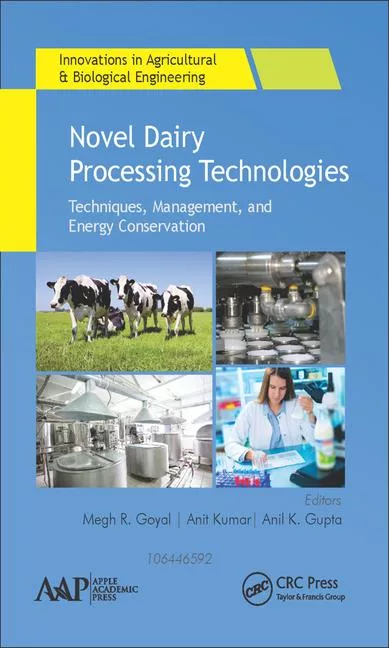
      Novel Dairy Processing Technologies: Techniques, Management, and Energy Conservation

    • From Milk By-Products to Milk Ingredients: Upgrading the Cycle

    See More Products

    Events

    View AllSubmit An Event
    • September 11, 2012

      15th Annual Dairy Science and Technology Basics for the Farmstead/Artisan Cheesemaker

      Basics of quality cheese manufacture with emphasis on artisan/farmstead cheese manufacture. Includes 1 day of hands-on cheese making activities, cheese sensory evaluation, and other considerations in starting a small scale cheese making business.
    View AllSubmit An Event

    Related Directories

    • Alvibra A/S

      Alvibra is an innovative customer-oriented supplier of hygienic high grade (CIPable) and basic grade stainless vibratory equipment for dairy powder screening, -conveying and -feeding. 30+ years of experience within vibration technology and hygienic design. Everything is designed and manufactured out of Denmark. Contact: info(at)alvibra.com / www.alvibra.com
    • The Cheese Factory

    • Whey To Go

    ×

    Stay ahead of the curve. Unlock a dose of cutting-edge insights.

    Receive our premium content directly to your inbox.

    SIGN-UP TODAY
    • RESOURCES
      • Advertise
      • Contact Us
      • Directories
      • Store
      • Want More
    • SIGN UP TODAY
      • Create Account
      • eMagazine
      • Newsletter
      • Customer Service
      • Manage Preferences
    • SERVICES
      • Marketing Services
      • Reprints
      • Market Research
      • List Rental
      • Survey/Respondent Access
    • STAY CONNECTED
      • LinkedIn
      • Facebook
      • YouTube
      • X (Twitter)
    • PRIVACY
      • PRIVACY POLICY
      • TERMS & CONDITIONS
      • DO NOT SELL MY INFORMATION
      • PRIVACY REQUEST
      • ACCESSIBILITY

    Copyright ©2026. All Rights Reserved BNP Media, Inc. and BNP Media II, LLC.

    Design, CMS, Hosting & Web Development :: ePublishing